Unearthing the Benefits: Why Compost is Key for Globe Artichokes
Globe artichokes (Cynara cardunculus var. scolymus) are a culinary delicacy, prized for their tender hearts and unique flavor. While these thistle-like plants are relatively hardy, their successful cultivation, characterized by robust growth, increased yield, and superior quality, is intrinsically linked to the soil’s health. At the heart of promoting optimal soil conditions lies the undeniable power of compost. This organic powerhouse acts as a soil conditioner, nutrient provider, and a catalyst for beneficial microbial activity, all of which are crucial for unlocking the full potential of your globe artichoke plants.
Understanding the Artichoke’s Needs
Globe artichokes are heavy feeders, meaning they require a steady supply of nutrients to support their vigorous growth and the development of their substantial flower buds. They thrive in well-drained, fertile soil that retains moisture without becoming waterlogged. Sandy loams are often considered ideal, but amending heavier clay soils or improving sandy soils can be achieved through the judicious incorporation of organic matter. Artichokes have a relatively long growing season, and their established root systems benefit from a consistent release of nutrients and improved soil structure.
Compost: The All-in-One Solution for Artichoke Soil
Compost, the product of decomposed organic materials, is a gardener’s best friend for a multitude of reasons, and its benefits are particularly pronounced when nurturing globe artichokes. It’s not merely fertilizer; it’s a holistic soil amendment that addresses multiple aspects of soil health.
- Nutrient Richness: Compost provides a slow and steady release of essential macro and micronutrients that artichokes need to flourish. This balanced nutrient profile supports strong vegetative growth, vital for bud formation.
- Improved Soil Structure: Whether your soil is heavy clay or loose sand, compost acts as an aggregator. It binds soil particles together, creating a crumbly texture that enhances aeration and drainage in clay soils, and improves water retention in sandy soils.
- Water Retention: The porous nature of compost allows it to absorb and hold significant amounts of water, making it available to plant roots during dry spells. This is critical for artichokes, which have substantial water requirements.
- Enhanced Drainage: Paradoxically, while improving water retention, compost also promotes better drainage. By improving soil structure, it prevents compaction and allows excess water to flow through, reducing the risk of root rot.
- Beneficial Microbial Activity: Compost is teeming with a diverse community of beneficial microorganisms, including bacteria, fungi, and protozoa. These microbes play a vital role in nutrient cycling, making nutrients more accessible to plants, and can even suppress soil-borne diseases.
- pH Buffering: Compost can help to buffer soil pH, bringing it closer to the ideal range for artichokes (generally 6.0-7.0). This ensures that nutrients are available for uptake by the plant.
- Weed Suppression: When compost is properly made, it kills weed seeds. Incorporating it into the soil can therefore help to reduce the weed pressure in your artichoke patch.
Key Compost Applications for Globe Artichokes
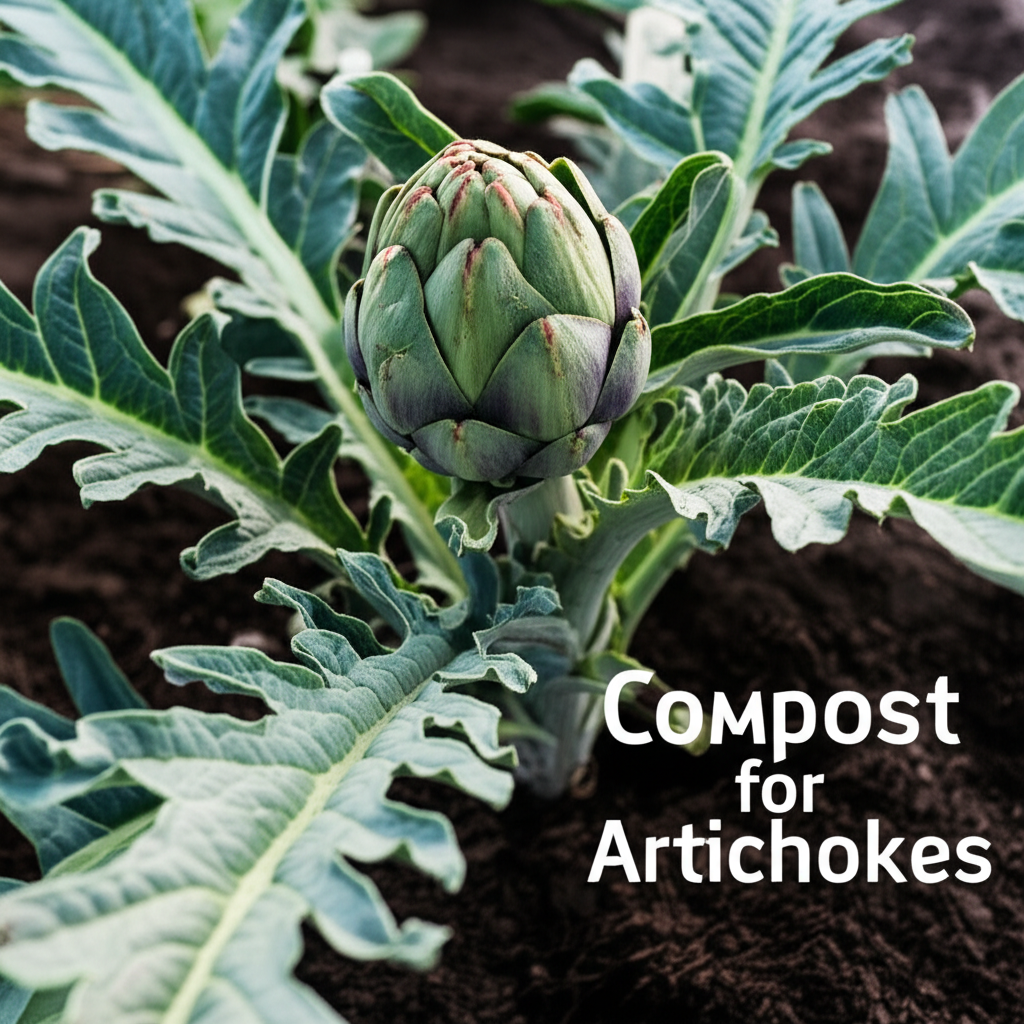
The effective use of compost in growing globe artichokes involves strategic application at different stages of their life cycle.
1. Soil Preparation and Initial Amendment
This is arguably the most crucial stage for compost application. Before planting, amending the soil with a generous amount of compost lays the foundation for healthy growth.
- Incorporation into Planting Beds: Aim to incorporate 2-4 inches of well-rotted compost into the top 8-12 inches of soil. This can be done by broadcasting it over the surface and then tilling or digging it in.
- For New Plantings: When planting young artichoke plants, adding a handful of compost directly into the planting hole alongside the plant can give it an immediate boost.
2. Top Dressing and Mulching
As the artichoke plants grow, ongoing compost applications continue to provide benefits.
- Spring Top Dressing: In early spring, as new growth emerges, a top dressing of compost around the base of established plants provides nutrients for the upcoming growing season.
- Compost as Mulch: A layer of compost can also serve as an effective mulch. It helps to retain soil moisture, suppress weeds, and as it slowly breaks down, it continuously feeds the plant. Keep the mulch a few inches away from the main stem to prevent rot.
3. Compost Tea for a Nutrient Boost
For an extra boost of readily available nutrients and beneficial microbes, compost tea can be a valuable addition.
- Preparation: Steep finished compost in water for 24-48 hours, aerating the mixture if possible.
- Application: Dilute the compost tea and use it as a soil drench around the base of the plants or as a foliar spray.
Key Facts About Compost and Globe Artichokes
To better understand the symbiotic relationship between compost and globe artichokes, consider the following comparative facts.
| Attribute | Compost-Amended Soil | Unamended Soil |
|---|---|---|
| Nutrient Availability | High and slow-release | Variable, potentially deficient |
| Soil Structure | Improved aeration, drainage, and water retention | Prone to compaction, poor drainage or rapid drying |
| Microbial Diversity | Rich and diverse | Limited |
| Water Holding Capacity | Significantly increased | Lower |
| Root Development | Encouraged, deeper and more extensive | Potentially restricted by poor soil conditions |
| Disease Resistance | Enhanced due to healthier plants and soil microbes | Lower, plants more susceptible to stress |
The Process: Implementing Compost for Artichoke Success
Implementing compost into your artichoke growing strategy is a straightforward process that yields significant rewards.
| Step | Description | Benefits for Artichokes |
|---|---|---|
| 1. Source Quality Compost | Use well-finished compost that is dark, crumbly, and smells earthy. Avoid immature compost that may still contain weed seeds or pathogens. | Ensures nutrient availability without introducing unwanted elements. |
| 2. Prepare Planting Site | Clear the area of weeds and debris. Loosen the soil to a depth of at least 8-12 inches. | Creates a receptive environment for root growth. |
| 3. Incorporate Compost (Pre-Planting) | Spread a 2-4 inch layer of compost over the prepared site and mix it thoroughly into the topsoil. | Establishes a rich, well-structured soil base for the artichoke’s long growing season. |
| 4. Planting | Plant artichoke crowns or transplants at the appropriate spacing, adding a handful of compost to each planting hole. | Provides an immediate nutrient and microbial boost to young plants. |
| 5. Top Dressing (Spring) | Apply a 1-2 inch layer of compost around the base of established plants in early spring. | Supplies nutrients for new growth and bud development. |
| 6. Mulching | Apply a 2-3 inch layer of compost as a mulch around the plants, keeping it a few inches away from the stem. | Conserves moisture, suppresses weeds, and slowly feeds the plant. |
| 7. Occasional Compost Tea Application | As needed, apply diluted compost tea as a soil drench or foliar spray. | Offers a readily available nutrient and microbial boost during critical growth phases. |
Pros and Cons of Using Compost for Globe Artichokes
While the benefits are substantial, it’s useful to consider both sides of the coin.
| Pros | Cons |
|---|---|
| Significantly improves soil fertility and structure. | Requires sourcing or making compost, which can be time-consuming. |
| Enhances water retention and drainage simultaneously. | Over-application of very fresh compost could potentially tie up nitrogen temporarily (though this is rare with well-finished compost). |
| Provides a slow-release source of essential nutrients, reducing the need for synthetic fertilizers. | Compost quality can vary; poor quality compost may introduce weed seeds or pathogens. |
| Supports a healthy soil ecosystem, promoting beneficial microbial activity. | Can be bulky to transport and incorporate, especially in large quantities. |
| Increases plant vigor and resilience, leading to better yields and higher quality produce. | May not provide a rapid, concentrated dose of specific nutrients that a synthetic fertilizer might offer in an emergency, though it’s generally more beneficial long-term. |
Compost Types and Their Suitability for Artichokes
Not all compost is created equal. For globe artichokes, using well-finished, balanced compost is paramount.
- Well-Rotted Vegetable and Garden Compost: This is the most common and versatile type. It’s a good all-rounder for providing balanced nutrients and improving soil structure.
- Mushroom Compost: Often derived from composted straw and manure used in mushroom cultivation, this can be nutrient-rich, particularly in calcium and potassium. Ensure it’s fully composted.
- Aged Manure Compost: Properly composted animal manure (cow, horse, chicken) is an excellent source of nutrients. It is crucial that the manure is well-composted to avoid burning plant roots and to eliminate pathogens.
- Leaf Mold: Primarily decomposed leaves, leaf mold is excellent for improving soil structure and water retention, but it is generally lower in nutrients compared to other compost types. It can be used as a component of a compost blend.
Avoid using materials that are not fully composted, as they can still contain weed seeds, pathogens, or may temporarily deplete soil nitrogen as they decompose.
Conclusion: The Foundation of a Bountiful Harvest
In essence, the role of compost in globe artichoke growth is foundational. It’s not an optional addition but rather a critical component for fostering healthy, productive plants. By investing time and effort into amending your soil with quality compost, you are not just feeding your artichokes; you are building a resilient and fertile soil ecosystem that will support them throughout their entire growing cycle, from vigorous vegetative growth to the development of delicious, tender buds. A well-composted soil ensures that your globe artichokes receive the balanced nutrition, optimal moisture, and structural support they need to thrive, ultimately leading to a more abundant and rewarding harvest.