Understanding Jack-in-the-Pulpit’s Native Habitat
Jack-in-the-Pulpit (Arisaema triphyllum) is a fascinating woodland native found across eastern North America. To truly excel in cultivating this unique plant, we must first understand its natural environment. In the wild, these plants typically grow in moist, shady woodland settings. They thrive in the rich, organic matter that accumulates on the forest floor, often near streams or in areas with consistently damp soil.
This natural preference provides crucial clues about their ideal soil conditions. A forest floor is not a compacted, sterile environment. Instead, it’s a dynamic ecosystem teeming with life, where decaying leaves, twigs, and other organic materials create a well-structured, nutrient-rich substrate. This decomposition process also ensures good aeration, allowing roots to breathe and access essential gases.
Key Soil Characteristics in Native Habitats:
- Moisture Retention: The soil consistently holds moisture without becoming waterlogged.
- Organic Matter: Abundant humus and decaying plant material are present.
- Well-Drained: Despite being moist, the soil allows excess water to drain, preventing root rot.
- Slightly Acidic to Neutral pH: Typically ranging from 6.0 to 7.0.
- Loose and Friable: The soil is not compacted, allowing for easy root penetration and air circulation.
By mimicking these conditions in our gardens, we can significantly improve the chances of success with Jack-in-the-Pulpit, ensuring vigorous growth and abundant blooms (or rather, the striking spathe and spadix).
The Importance of Soil Aeration for Jack-in-the-Pulpit
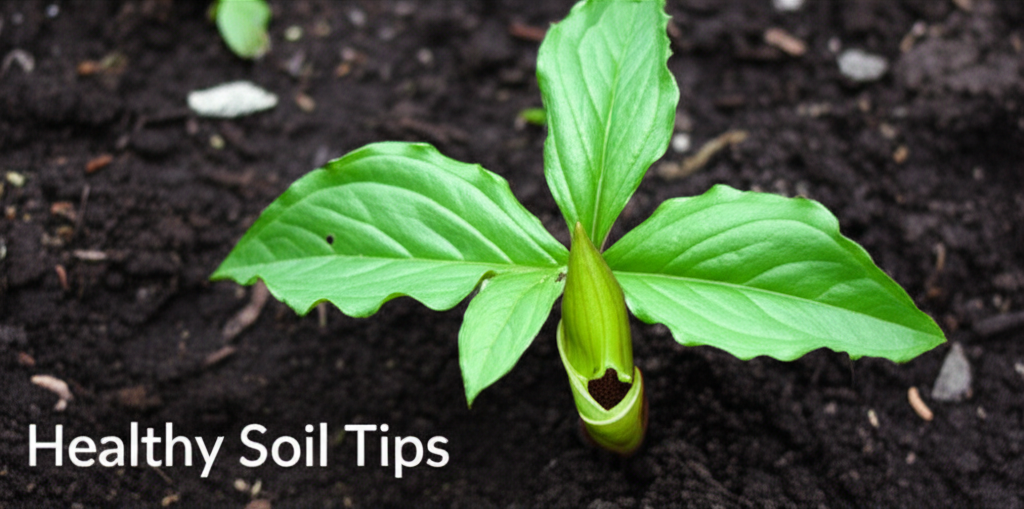
Soil aeration refers to the presence of air spaces within the soil structure. These air pockets are vital for several reasons, particularly for plants like Jack-in-the-Pulpit, which have specific root system needs.
Why Aeration Matters:
- Oxygen for Roots: Plant roots, like all living organisms, require oxygen for respiration. Without adequate oxygen, roots cannot effectively absorb water and nutrients, leading to stunted growth and increased susceptibility to diseases.
- Water Drainage: Well-aerated soil drains more effectively. While Jack-in-the-Pulpit prefers moist conditions, stagnant, waterlogged soil can quickly lead to root rot, a common killer of many woodland plants. Air spaces help prevent this by facilitating the movement of water through the soil profile.
- Microbial Activity: Soil aeration supports a healthy population of beneficial soil microorganisms, such as bacteria and fungi. These organisms play a crucial role in nutrient cycling, breaking down organic matter, and making nutrients available to the plant.
- Root Growth: Compacted soil restricts root development, forcing roots to grow along the surface or in limited directions. Loose, aerated soil allows roots to penetrate deeply, establishing a stronger, more resilient plant.
Jack-in-the-Pulpit’s rhizomatous root system benefits greatly from soil that is easy to navigate. If the soil is too dense, the rhizomes will struggle to spread and establish new growth points.
Strategies for Improving Soil Aeration
Fortunately, improving soil aeration is achievable through various horticultural practices. The key is to create a soil structure that is loose, crumbly, and full of air pockets.
Methods to Enhance Aeration:
- Incorporate Organic Matter: This is the single most effective way to improve soil structure, aeration, and fertility simultaneously. Well-rotted compost, leaf mold, or aged manure will break up heavy clay soils and help sandy soils retain moisture and nutrients.
- Avoid Compaction: Steer clear of walking on or working wet soil, as this can lead to severe compaction. If planting in an area prone to foot traffic, consider creating designated pathways.
- Double Digging: For heavily compacted areas, double digging can be a labor-intensive but highly effective method. This involves loosening the soil to a significant depth (typically two spade depths).
- Using a Garden Fork: Periodically, especially in established beds, gently aerate the soil with a garden fork. Insert the fork a few inches into the ground and rock it back and forth to loosen the soil without inverting the layers.
- Mulching: A layer of organic mulch (wood chips, shredded bark, straw) not only conserves moisture but also breaks down over time, adding organic matter to the soil surface and improving its structure.
When amending soil for Jack-in-the-Pulpit, aim for a fluffy, easily workable texture.
Understanding Jack-in-the-Pulpit Soil Fertility Needs
Fertility refers to the soil’s ability to supply essential nutrients for plant growth. Jack-in-the-Pulpit, being a woodland plant that thrives on decomposing organic matter, has specific fertility requirements. They are not heavy feeders but appreciate a consistently nutrient-rich environment.
Essential Nutrients and Their Role:
- Nitrogen (N): Crucial for leaf and stem growth, giving the plant its lush, green appearance.
- Phosphorus (P): Important for root development and flowering/spathe formation.
- Potassium (K): Supports overall plant health, disease resistance, and water regulation.
- Micronutrients: Trace elements like iron, magnesium, and calcium are also necessary in smaller quantities for various metabolic processes.
In their native habitat, Jack-in-the-Pulpit receives a steady supply of nutrients from the slow decomposition of leaves and other organic debris. Replicating this slow-release nutrient availability is ideal for garden cultivation.
Best Practices for Improving Soil Fertility
Achieving optimal fertility for Jack-in-the-Pulpit involves providing a balanced supply of nutrients, with a strong emphasis on organic sources.
Methods for Enhancing Fertility:
- Composting: This is the gold standard. A well-balanced compost made from kitchen scraps, yard waste, and manure provides a slow release of a wide spectrum of nutrients.
- Leaf Mold: Decomposed leaves create a rich, humusy material that is excellent for improving soil structure and fertility, especially for woodland plants.
- Aged Manure: Cow, horse, or chicken manure, when thoroughly aged, adds valuable nutrients and organic matter. Fresh manure can be too “hot” and can burn plant roots.
- Woodland Mulches: Using natural mulches like shredded bark or pine needles can contribute to soil acidity (which Jack-in-the-Pulpit tolerates) and slowly break down to add nutrients.
- Slow-Release Organic Fertilizers: If organic amendments are insufficient, consider a balanced, slow-release organic fertilizer formulated for shade-loving plants. Apply sparingly in spring.
- Avoid Synthetic Fertilizers: Over-reliance on synthetic fertilizers can disrupt the soil ecosystem, harm beneficial microbes, and lead to rapid, weak growth that is more susceptible to pests and diseases.
The goal is to build healthy soil that sustains the plant over the long term, rather than providing a quick, artificial boost.
Combining Aeration and Fertility: The Perfect Soil Mix
The ideal soil for Jack-in-the-Pulpit seamlessly integrates excellent aeration with sustained fertility. This isn’t achieved by separate, isolated actions but by creating a soil environment that naturally supports both.
Creating the Ideal Soil:
- Base: Start with your existing soil. If it’s heavy clay, significant amendments will be needed. If it’s sandy, you’ll need to focus on moisture and nutrient retention.
- Amending: For every cubic foot of existing soil, incorporate at least 1/3 to 1/2 its volume in organic matter. This includes:
- Compost: 50% of the amendment volume.
- Leaf Mold or Aged Bark: 30% of the amendment volume.
- Coarse Sand or Perlite (optional for very heavy clay): 20% to improve drainage if aeration is a significant concern.
- pH Adjustment: Jack-in-the-Pulpit generally prefers slightly acidic to neutral soil (pH 6.0-7.0). Most native soils fall within this range. If your soil is very alkaline, you can incorporate peat moss or elemental sulfur very sparingly, but it’s usually unnecessary if adequate organic matter is added.
- Planting Depth: Plant the rhizome just a few inches below the soil surface, ensuring the top is level with or slightly above the soil line.
This rich, porous mix will provide the roots with the oxygen they need, drain effectively while retaining essential moisture, and offer a continuous supply of slow-release nutrients.
Seasonal Soil Care for Jack-in-the-Pulpit
Consistent care throughout the year ensures that your Jack-in-the-Pulpit remains healthy and vigorous.
Spring Care:
- Replenish Mulch: After the threat of hard frosts has passed, replenish the organic mulch layer around the plant. This helps retain moisture, suppress weeds, and slowly add nutrients as it decomposes.
- Gentle Weeding: Remove any competing weeds carefully, avoiding damage to the emerging Jack-in-the-Pulpit shoots.
- Light Feeding (Optional): If your soil is exceptionally poor, a light top-dressing of compost or a very small application of a balanced organic granular fertilizer can be beneficial.
Summer Care:
- Consistent Moisture: While they tolerate some dryness once established, they perform best with consistent moisture. Water deeply if the soil begins to dry out, especially during hot, dry spells.
- Observation: Monitor for any signs of pests or diseases. Healthy, well-fed plants are less susceptible.
Autumn Care:
- Leaf Drop: Allow the foliage to die back naturally. The decaying leaves are a valuable source of nutrients and organic matter.
- Add More Organic Matter: As the plant goes dormant, a light top-dressing of compost or leaf mold around the base can be beneficial for the following season.
Winter Care:
- Protection: In colder climates, a thicker layer of mulch can help insulate the rhizome from extreme temperature fluctuations.
Troubleshooting Common Soil-Related Issues
Even with the best intentions, soil-related problems can arise. Understanding common issues will help you diagnose and rectify them.
Problem: Yellowing Leaves
- Possible Causes:
- Nutrient Deficiency: Lack of nitrogen or other essential elements.
- Poor Drainage/Waterlogging: Roots are suffocating.
- Overwatering: Similar to poor drainage, leads to root issues.
- Solutions:
- Amend soil with compost and organic matter.
- Ensure good drainage by incorporating grit or sand if necessary.
- Adjust watering schedule to allow soil to dry slightly between waterings.
Problem: Stunted Growth or Small Plants
- Possible Causes:
- Compacted Soil: Roots cannot penetrate.
- Nutrient Poor Soil: Insufficient food for growth.
- Shallow Planting: Rhizome is too close to the surface and drying out.
- Solutions:
- Gently aerate surrounding soil.
- Add organic amendments and compost.
- If plants are very old and established, gently excavate and replant at the correct depth.
Problem: Rotting Rhizomes
- Possible Causes:
- Excessive Moisture/Poor Drainage: The most common cause.
- Fungal Diseases: Often exacerbated by overly wet conditions.
- Solutions:
- Immediately improve soil drainage by incorporating coarse grit, perlite, or compost.
- Reduce watering frequency.
- In severe cases, gently excavate the rhizome, cut away any rotted portions with a sterile knife, and replant in well-draining, enriched soil. You may need to let the cut surface air dry for a day before replanting.
Key Facts and Comparison of Soil Amendment Types
To summarize the impact of various soil amendments on Jack-in-the-Pulpit cultivation, consider the following table.
| Characteristic | Ideal Condition | Impact of Poor Condition |
|---|---|---|
| Soil Structure | Loose, friable, well-aerated | Compacted, dense; restricts root growth, poor gas exchange |
| Moisture | Consistently moist, but not waterlogged | Dry and hard, or soggy and stagnant; leads to stress or root rot |
| Nutrients | Rich in organic matter, slow-release | Depleted, lacking essential elements; weak growth |
| pH | Slightly acidic to neutral (6.0-7.0) | Extremes can inhibit nutrient uptake |
Step-by-Step Guide to Improving Jack-in-the-Pulpit Soil
Implementing soil improvements is a process that can be broken down into manageable steps.
| Step | Action | Purpose | Frequency |
|---|---|---|---|
| 1 | Assess Existing Soil | Determine soil type (clay, sand, loam) and drainage. | Before planting |
| 2 | Incorporate Organic Matter | Mix in compost, leaf mold, aged manure. Aim for at least 30-50% of the total soil volume. | When preparing new beds or amending existing ones |
| 3 | Loosen Soil | Use a garden fork to gently aerate and break up any compaction. | During soil preparation, and annually thereafter if needed |
| 4 | Plant Rhizome Correctly | Plant 2-4 inches deep with the top pointing upwards. | During planting |
| 5 | Mulch Generously | Apply a 2-3 inch layer of organic mulch (shredded bark, compost, leaves). | After planting, and replenish annually in spring |
| 6 | Water Wisely | Keep soil consistently moist but not saturated. | As needed, especially during dry periods |
| 7 | Monitor and Adjust | Observe plant health and adjust practices based on its response. | Ongoing |
By focusing on creating a soil environment that mimics the rich, well-drained, and aerated conditions of their native woodland home, you will provide Jack-in-the-Pulpit with the best possible foundation for thriving, season after season.