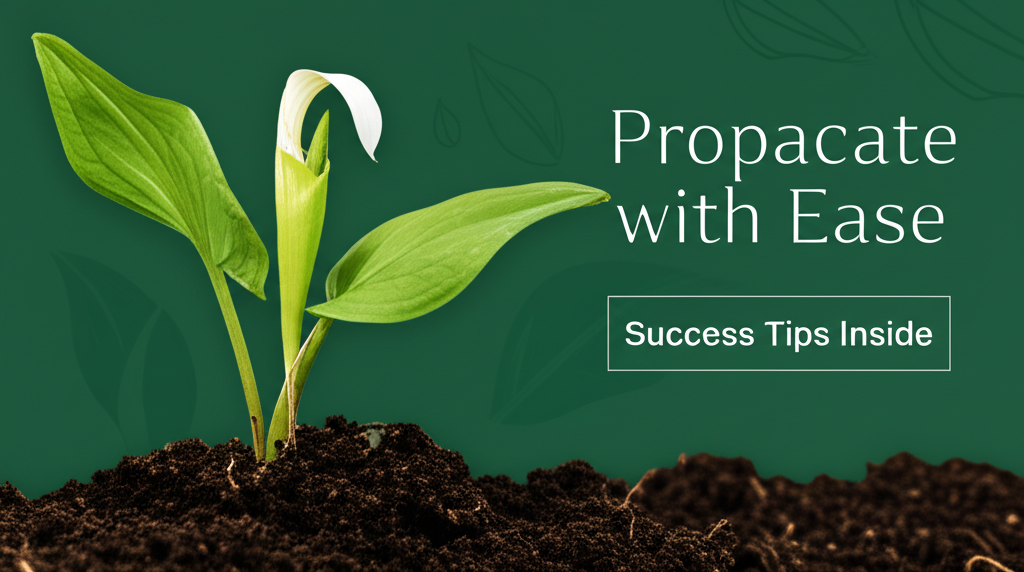
Unveiling the Mysteries of Jack-in-the-Pulpit Propagation
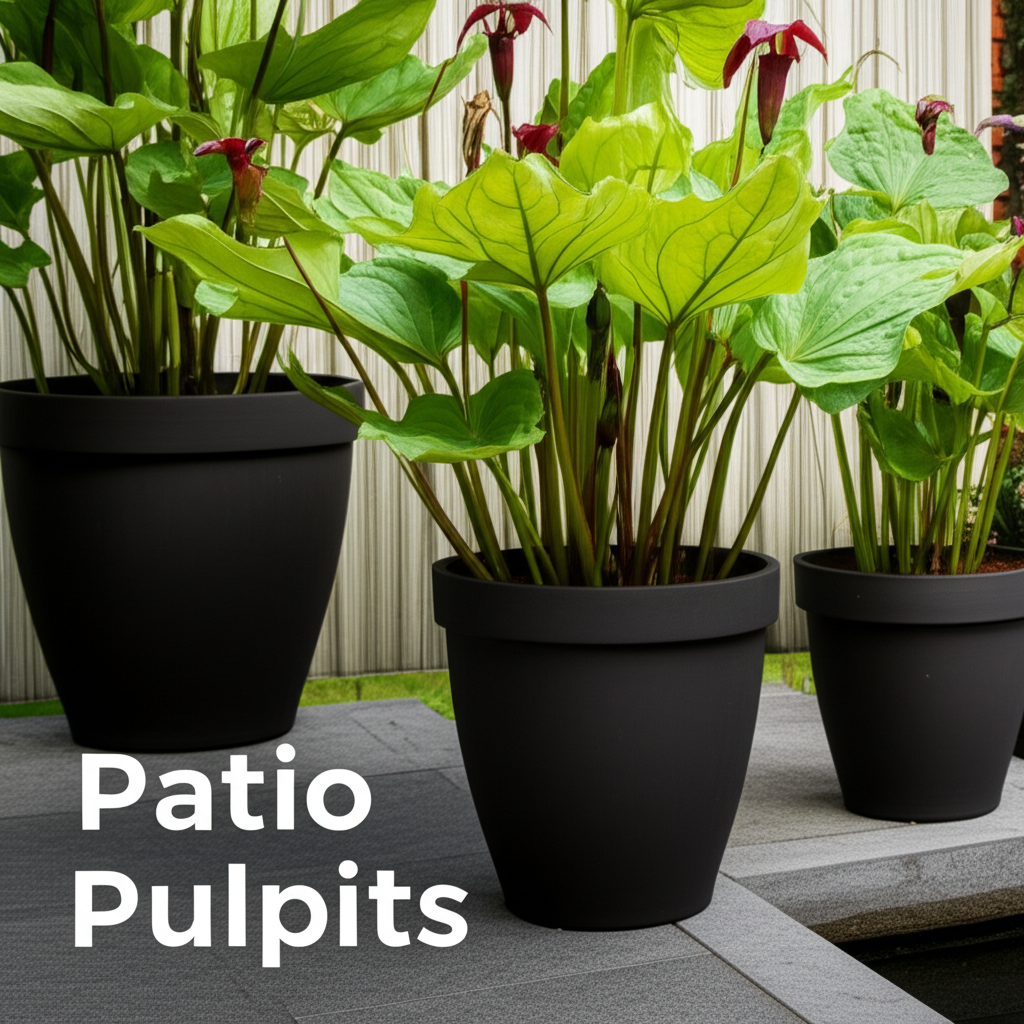
The Jack-in-the-Pulpit (Arisaema triphyllum) is a botanical marvel, a native woodland wildflower that captivates with its unique hooded spathe and spadix, often resembling a preacher in its pulpit. Its distinctive beauty and ecological importance make it a sought-after addition to shade gardens and naturalistic landscapes. While its charm is undeniable, successfully propagating this enigmatic plant can seem daunting to the uninitiated. However, with a clear understanding of its life cycle, preferred conditions, and proven propagation techniques, anyone can cultivate a thriving colony of these fascinating flora.
This comprehensive guide will delve into the intricacies of Jack-in-the-Pulpit propagation, equipping you with the knowledge and confidence to multiply these woodland treasures. We will explore various methods, from seed sowing to vegetative division, and uncover the secrets to maximizing your success. Whether you are a seasoned gardener or just beginning your journey into native plant cultivation, this article will serve as your definitive resource for bringing more of these botanical wonders into your garden.
Understanding the Jack-in-the-Pulpit Life Cycle
To effectively propagate Jack-in-the-Pulpit, a fundamental understanding of its life cycle is crucial. This knowledge informs the timing and methods best suited for successful reproduction.
- Seed Production: After pollination, the Jack-in-the-Pulpit produces a cluster of bright red to reddish-orange berries in late summer or fall. These berries are visually striking and a food source for various wildlife.
- Seed Dormancy: The seeds within these berries are typically dormant and require a period of stratification to break their dormancy and germinate. This often involves a cold, moist period.
- Germination and Early Growth: Germination can be slow and erratic, often taking several months to over a year. Young plants initially produce a single, undivided leaf, followed by the characteristic three-parted leaf in subsequent years. It can take several years for a seedling to reach flowering maturity.
- Vegetative Growth (Corms): The plant grows from a corm, a swollen underground stem. Corms can multiply over time, leading to the formation of clumps. These corms are central to vegetative propagation methods.
Methods of Jack-in-the-Pulpit Propagation
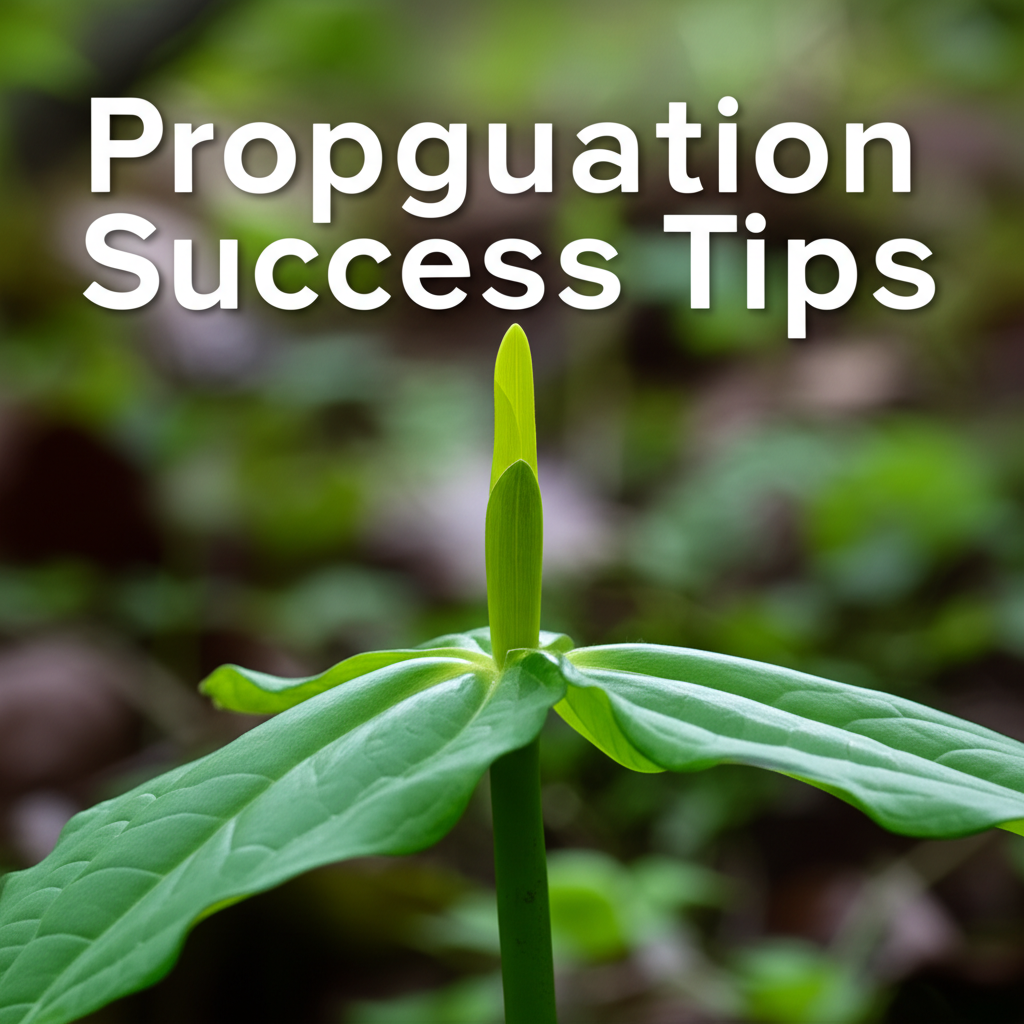
There are two primary avenues for propagating Jack-in-the-Pulpit: through seeds and through vegetative division of existing corms. Each method offers its own advantages and challenges, catering to different gardener preferences and timelines.
Propagation by Seed
Growing Jack-in-the-Pulpit from seed is a rewarding, albeit patient, endeavor. It offers the potential for a large number of plants, but requires meticulous attention to the seeds’ unique needs.
Seed Collection and Preparation
The best time to collect seeds is in late summer or early fall, when the berries have fully ripened to a vibrant red. It’s important to harvest them before birds or other wildlife consume them.
- Cleaning the Seeds: Gently crush the berries and wash the seeds thoroughly in water. This removes the fleshy pulp, which can inhibit germination.
- Stratification: This is the most critical step for seed germination. Jack-in-the-Pulpit seeds require a period of both warm and cold stratification to mimic their natural germination cycle.
- Warm Stratification: Mix the cleaned seeds with a lightly moist medium, such as peat moss or vermiculite, in a resealable plastic bag. Store this bag in a warm location (around 70°F or 21°C) for 60-90 days.
- Cold Stratification: After the warm period, move the bag to a refrigerator (around 35-40°F or 1-4°C) for another 90-120 days. This cold period is essential for breaking dormancy.
Sowing the Seeds
Once stratification is complete, the seeds are ready for sowing. The timing of sowing also plays a role in success.
- Timing: It is generally recommended to sow stratified seeds in late fall or early spring, allowing them to experience natural temperature fluctuations.
- Seed Starting Mix: Use a well-draining seed-starting mix. A good ratio might be 2 parts compost, 1 part perlite, and 1 part peat moss.
- Sowing Depth: Sow seeds about 1/4 inch deep.
- Moisture and Light: Keep the soil consistently moist but not waterlogged. Provide indirect light.
Germination and Early Care
Patience is paramount when growing from seed. Germination can take anywhere from several months to over a year.
- Watering: Maintain consistent moisture. Misting the surface can be beneficial.
- Temperature: Ideal temperatures for germination are between 60-70°F (15-21°C).
- Transplanting: Once seedlings have developed a few true leaves, they can be carefully transplanted into individual pots or a larger nursery bed. Handle the delicate roots with care.
- Patience for Maturity: Remember that it will take several years for seedlings to develop into mature, flowering plants.
Propagation by Corm Division
Vegetative propagation through corm division is a faster and often more reliable method for obtaining mature Jack-in-the-Pulpit plants.
When to Divide Corms
The ideal time for dividing Jack-in-the-Pulpit corms is during their dormant period, typically in late fall after the foliage has died back, or in early spring before new growth emerges.
The Division Process
Dividing established clumps can significantly increase your plant count and rejuvenate older specimens.
- Excavation: Carefully dig up the entire clump of corms. It’s best to do this on a cool, overcast day to minimize stress on the plants. Use a garden fork or trowel to loosen the soil around the clump before gently lifting.
- Cleaning the Corms: Once excavated, gently brush away as much soil as possible from the corms.
- Inspection: Examine the corms for any signs of rot or disease. Discard any unhealthy specimens.
- Separating Corms: The corms are typically connected by rhizomes or small offsets. Gently pull or use a clean, sharp knife to separate them. Each division should ideally have at least one “eye” or bud.
- Drying (Optional but Recommended): Allow the divided corms to air dry for a few hours to a day. This helps to callus any cut surfaces, reducing the risk of fungal infection.
- Replanting: Replant the divisions promptly in a prepared garden bed or containers.
Planting and Aftercare for Divisions
Proper planting and consistent aftercare are crucial for the successful establishment of divided corms.
- Soil Preparation: Jack-in-the-Pulpit thrives in rich, moist, well-drained soil with plenty of organic matter. Amend your planting area with compost or aged manure.
- Planting Depth: Plant the corms with the “eye” or bud facing upwards, at a depth of about 3-4 inches.
- Spacing: Space divisions at least 6-12 inches apart, depending on the size of the divisions and your desired clump size.
- Watering: Water thoroughly after planting. Keep the soil consistently moist, especially during the first growing season, but avoid waterlogged conditions.
- Mulching: Apply a layer of organic mulch (such as shredded leaves or compost) around the base of the plants. This helps to retain moisture, suppress weeds, and regulate soil temperature.
- Fertilization: While Jack-in-the-Pulpit generally doesn’t require heavy fertilization, a top-dressing of compost in the spring can be beneficial.
Key Factors for Jack-in-the-Pulpit Success
Beyond the specific propagation method, several environmental and cultural factors significantly influence the success of Jack-in-the-Pulpit propagation and growth.
Ideal Growing Conditions
Mimicking their native woodland habitat is key to a thriving Jack-in-the-Pulpit.
- Light: Partial to full shade is ideal. Dappled sunlight or the shade found under deciduous trees is perfect. Avoid direct, intense afternoon sun, which can scorch the leaves.
- Soil Moisture: They prefer consistently moist, humus-rich soil. They can tolerate occasional dryness once established but perform best with adequate moisture. Avoid waterlogged conditions, which can lead to rot.
- Soil Type: Rich, loamy soil with good drainage is essential. Amend heavy clay soils with organic matter like compost or leaf mold to improve aeration and drainage.
- Humidity: While not a primary concern in most temperate climates, they appreciate a certain level of ambient humidity.
Common Propagation Challenges and Solutions
Even with the best intentions, gardeners may encounter obstacles. Understanding these challenges can help prevent or overcome them.
- Slow Germination (Seeds): This is the most common challenge with seed propagation. Patience and proper stratification are the keys. Don’t give up if germination doesn’t occur in the first season.
- Rotting Corms: Overwatering or poorly draining soil are the main culprits. Ensure good drainage and avoid keeping the soil constantly saturated.
- Pests and Diseases: While generally robust, Jack-in-the-Pulpits can be susceptible to slugs and snails, especially when young. Deer may also nibble on them. Fungus gnats can be an issue in overly moist conditions.
- Lack of Flowering: Young plants grown from seed may take several years to reach flowering maturity. Ensure the plant is receiving adequate light and has a healthy corm.
Key Facts and Comparison of Propagation Methods
To provide a clear overview of the different propagation techniques, let’s summarize the key aspects and compare them.
| Feature | Propagation by Seed | Propagation by Corm Division |
|---|---|---|
| Time to Maturity | 3-7 years | 1-2 years (to flowering) |
| Effort Level | High (requires patience, stratification) | Moderate (requires careful digging and separation) |
| Number of Plants Produced | Potentially very high | Limited by the size of the parent plant |
| Genetic Diversity | High (allows for new variations) | Low (creates clones of the parent) |
| Success Rate (if done correctly) | Moderate to High (dependent on stratification and patience) | High (especially for experienced gardeners) |
| Best For | Creating large numbers of plants, experimenting with new genetics | Quickly increasing existing plant stock, propagating desirable specimens |
Step-by-Step Guide: Pros and Cons of Each Method
Here’s a breakdown of the steps involved in each method, along with their respective advantages and disadvantages.
| Method | Steps | Pros | Cons |
|---|---|---|---|
| Propagation by Seed | 1. Collect ripe berries. 2. Clean seeds. 3. Perform warm stratification (60-90 days). 4. Perform cold stratification (90-120 days). 5. Sow stratified seeds in late fall/early spring. 6. Maintain consistent moisture and provide light. 7. Transplant seedlings when established. 8. Be patient! |
|
|
| Propagation by Corm Division | 1. Identify dormant plant (late fall/early spring). 2. Carefully excavate the clump. 3. Gently clean and inspect corms. 4. Separate corms, ensuring each has an eye. 5. Allow cut surfaces to callus (optional). 6. Replant divisions in well-prepared soil. 7. Water thoroughly and mulch. |
|
|
Beyond Propagation: Ensuring Long-Term Success
Once you’ve successfully propagated your Jack-in-the-Pulpits, providing them with the right environment and care will ensure they thrive for years to come.
Site Selection is Paramount
Choosing the correct location is non-negotiable for the well-being of your Jack-in-the-Pulpits.
- Shade is Key: As native woodland plants, they require protection from direct sunlight. Look for areas under mature trees, north-facing walls, or shaded perennial beds.
- Moisture Retention: While they don’t like to be waterlogged, they do need consistent moisture. Areas that naturally retain moisture, such as near a pond or in a low-lying spot that doesn’t dry out completely, are ideal.
- Rich Soil: Incorporate generous amounts of compost, leaf mold, or well-rotted manure into your soil before planting. This will provide the nutrients and drainage they need.
Seasonal Care and Maintenance
Understanding their annual cycle will help you provide optimal care.
- Spring: As new growth emerges, you can top-dress the soil with a layer of compost. Ensure the soil remains consistently moist.
- Summer: Continue to monitor moisture levels, especially during dry spells. The distinctive “hood” and “pulpit” will be in full display.
- Fall: After the foliage has yellowed and died back, this is the ideal time for corm division. The vibrant red berries will also have matured.
- Winter: The plants become dormant, and the corms rest underground. A layer of mulch will protect the roots from extreme temperature fluctuations.
Conclusion: Cultivating a Woodland Spectacle
Propagating Jack-in-the-Pulpit is a journey that rewards patience and a keen eye for detail. Whether you choose the slow but steady path of seed propagation or the more immediate gratification of corm division, the result is the same: the delightful expansion of these iconic woodland wonders in your garden. By understanding their unique life cycle, providing the right growing conditions, and employing these proven propagation techniques, you can successfully cultivate a thriving colony of Jack-in-the-Pulpits, adding a touch of botanical intrigue and natural beauty to your outdoor sanctuary.
Embrace the process, celebrate each success, and enjoy the captivating presence of the Jack-in-the-Pulpit in your garden. Happy propagating!