Introduction: The Enigmatic Jack-in-the-Pulpit and its Humidity Needs
The Jack-in-the-Pulpit (Arisaema triphyllum) is a captivating native wildflower renowned for its unique hooded spathe and spadix, resembling a preacher delivering a sermon. This woodland gem thrives in moist, shady environments, mirroring its natural habitat in deciduous forests. While undeniably beautiful, its successful cultivation indoors hinges on replicating these specific conditions, with humidity playing a particularly crucial role. Unlike many common houseplants that tolerate a wide range of humidity levels, the Jack-in-the-Pulpit is sensitive to dryness, often signaling distress through wilting leaves or browning tips. This article delves into the essential techniques for adjusting and maintaining optimal indoor humidity for your Jack-in-the-Pulpit, ensuring its vibrant health and continued display of its distinctive floral structure.
Understanding Humidity and its Impact on Jack-in-the-Pulpit
Humidity refers to the amount of water vapor present in the air. For plants like the Jack-in-the-Pulpit, which originate from damp forest floors, a consistently humid atmosphere is vital for several physiological processes:
- Transpiration Regulation: Plants absorb water through their roots and release it as vapor through tiny pores called stomata on their leaves. In high humidity, the rate of transpiration slows down, reducing water loss and preventing dehydration.
- Nutrient Uptake: Adequate humidity supports efficient nutrient transport from the soil to the plant’s tissues. Dry air can hinder this process, leading to deficiencies.
- Leaf Integrity: Low humidity can cause the delicate tissues of the Jack-in-the-Pulpit’s leaves to dry out, resulting in crispy edges, browning, and a general decline in appearance and health.
- Rhizome Health: The plant’s underground rhizome, its primary storage organ, also benefits from a moist environment. Extreme dryness can stress the rhizome, impacting its ability to store energy and regrow.
Indoor environments, particularly those with heating or air conditioning systems, are often significantly drier than the Jack-in-the-Pulpit’s preferred woodland setting. Heating systems, in particular, extract moisture from the air, creating an arid microclimate that can be detrimental. Conversely, extremely high humidity without adequate air circulation can foster fungal diseases, so finding the right balance is key.
Ideal Humidity Levels for Jack-in-the-Pulpit
The generally accepted ideal humidity range for Jack-in-the-Pulpit is between 50% and 65%. Some sources suggest it can tolerate slightly lower levels, down to 40%, but sustained periods below this can lead to visible signs of stress. Above 70%, especially with poor ventilation, the risk of fungal issues increases.
Monitoring humidity is the first step to effective management. This can be achieved using a hygrometer, an inexpensive device that accurately measures the relative humidity in your home.
Key Facts and Comparison: Common Indoor Humidity Issues
| Factor | Low Humidity (Below 40%) | Ideal Humidity (50%-65%) | High Humidity (Above 70%) |
|---|---|---|---|
| Jack-in-the-Pulpit Symptoms | Wilting, crispy brown leaf edges, stunted growth, reduced flowering/spathe development. | Vibrant green leaves, healthy growth, robust spathe, and spadix. | Risk of fungal diseases (powdery mildew, root rot), potential for mold growth on surfaces, stagnant air. |
| Causes | Heating systems, air conditioning, arid climates, poor ventilation. | Balanced indoor environment, appropriate humidification techniques. | Excessive watering without drainage, poor air circulation, humidifiers set too high, steamy bathrooms/kitchens without ventilation. |
| Mitigation Strategies | Increase humidity using methods outlined in this guide. | Maintain consistent monitoring and adjust techniques as needed. | Improve ventilation, reduce watering frequency if necessary, use dehumidifiers if persistent. |
Effective Techniques for Increasing Indoor Humidity
Fortunately, several practical and effective methods can be employed to raise the humidity around your Jack-in-the-Pulpit. A combination of these techniques often yields the best results.
1. The Pebble Tray Method
This is a simple yet highly effective passive method.
- How it works: A shallow tray filled with pebbles and water is placed beneath the plant’s pot. As the water evaporates from the tray, it increases the local humidity around the plant.
- Steps:
- Choose a waterproof tray that is slightly larger than the base of your plant’s pot.
- Fill the tray with a layer of pebbles or gravel, ensuring they are deep enough to support the pot without its base touching the water.
- Add water to the tray until it covers the pebbles but does not reach the top.
- Place your Jack-in-the-Pulpit’s pot on top of the pebbles.
- Regularly replenish the water in the tray as it evaporates.
- Pros: Simple, low-cost, no electricity required, safe for the plant (as the pot is elevated from the water).
- Cons: Only affects the immediate vicinity of the plant, requires regular refilling, may not be sufficient in extremely dry conditions.
2. Grouping Plants Together
Plants release moisture through transpiration. Grouping several plants together creates a microclimate with higher humidity than a single plant would achieve on its own.
- How it works: The collective transpiration from multiple plants increases the water vapor in the air around them.
- Steps:
- Arrange your Jack-in-the-Pulpit with other humidity-loving plants.
- Ensure adequate space between plants for air circulation to prevent fungal issues.
- Pros: Natural, aesthetically pleasing, beneficial for multiple plants.
- Cons: Requires owning multiple plants, may not significantly impact very large rooms.
3. Misting the Leaves (Use with Caution)
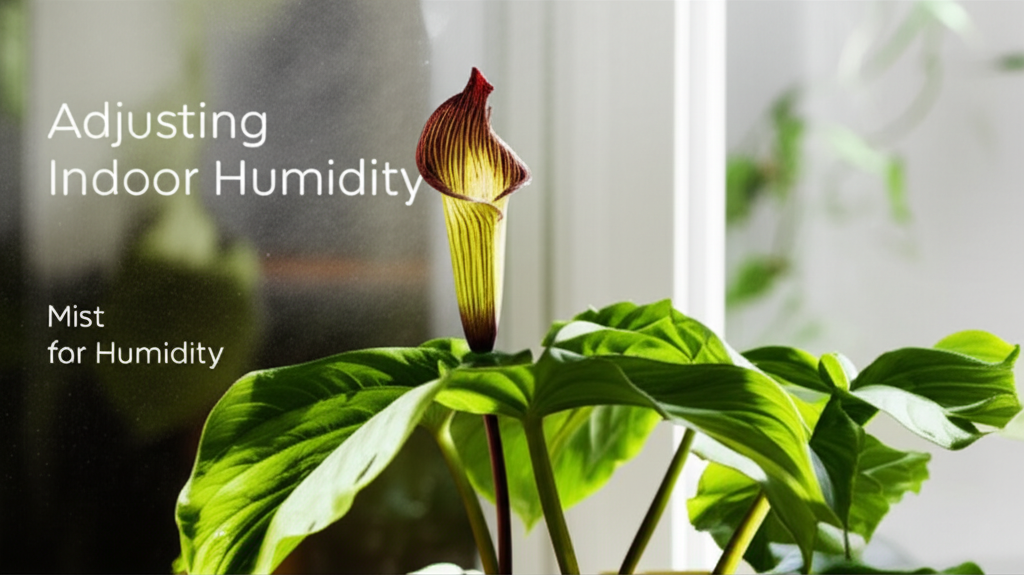
Misting can provide a temporary boost in humidity, but it’s crucial to do so correctly to avoid problems.
- How it works: Spraying water droplets onto the leaves directly increases surface moisture.
- Steps:
- Use a fine-mist spray bottle filled with room-temperature, filtered or distilled water.
- Mist the leaves gently in the morning or early afternoon.
- Avoid misting in the evening, as wet foliage can promote fungal growth overnight.
- Ensure good air circulation after misting.
- Pros: Immediate, temporary humidity increase.
- Cons: Very short-lived effect, can encourage fungal diseases if done improperly or excessively, can leave water spots on leaves if using tap water. This method is often less effective for long-term humidity management and should be used sparingly for Jack-in-the-Pulpit.
4. Using a Humidifier
For significant and consistent humidity control, a humidifier is the most effective solution.
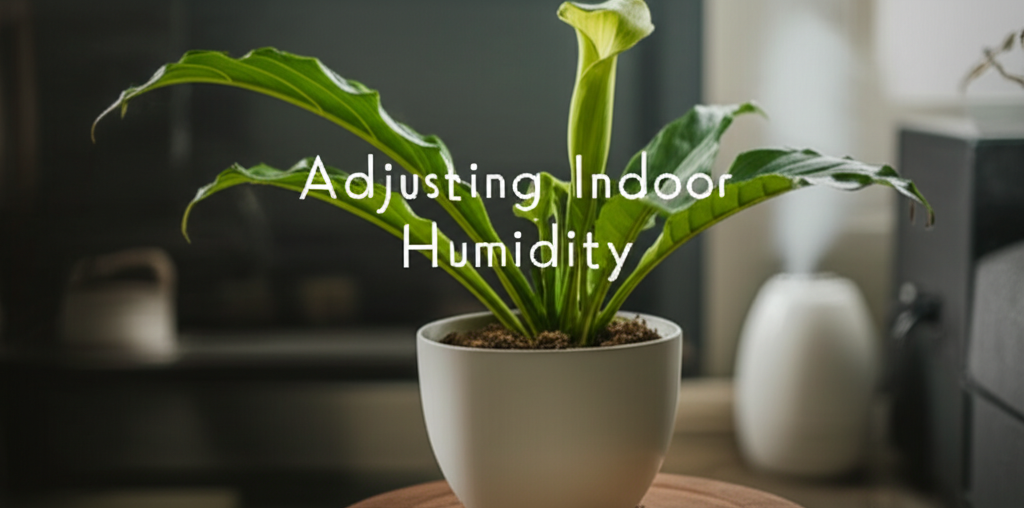
- How it works: Humidifiers actively release water vapor into the air, raising the overall humidity level of a room or area.
- Types of Humidifiers:
- Cool-Mist Humidifiers: These use a fan to blow air through a wick or filter saturated with water, releasing cool mist. They are generally safer around children and pets.
- Warm-Mist Humidifiers: These boil water to produce steam, which is then released into the air. They can help to kill some bacteria and viruses in the water.
- Ultrasonic Humidifiers: These use ultrasonic vibrations to create a fine mist. They are typically very quiet.
- Steps:
- Choose a humidifier appropriate for the size of your space.
- Place it near your Jack-in-the-Pulpit, but not directly next to it.
- Fill the reservoir with distilled or demineralized water to prevent mineral buildup and white dust.
- Set the humidifier to maintain a humidity level between 50% and 65% (use your hygrometer to monitor).
- Clean the humidifier regularly according to the manufacturer’s instructions to prevent mold and bacteria growth.
- Pros: Highly effective for maintaining consistent humidity levels, can cover larger areas, provides long-term solutions.
- Cons: Requires electricity, initial cost, needs regular cleaning and maintenance, can lead to over-humidification if not monitored.
5. Location, Location, Location
Where you place your Jack-in-the-Pulpit can also impact its humidity.
- How it works: Certain areas in your home naturally have higher humidity levels.
- Good Locations:
- Near a humidifier: As mentioned above, this is ideal.
- In bathrooms (with adequate light): If your bathroom has a window and isn’t prone to extreme temperature fluctuations, the steam from showers can create a humid microclimate. Ensure good ventilation to prevent mold.
- In kitchens (away from direct heat sources): Similar to bathrooms, cooking can increase humidity.
- Locations to Avoid:
- Near heating vents or radiators: These are major sources of dry air.
- Near drafty windows or doors: Cold drafts can significantly lower humidity.
- In direct sunlight: While the Jack-in-the-Pulpit prefers bright, indirect light, direct sun can also dry out the air around it.
Troubleshooting Common Humidity Issues
Even with the best intentions, you might encounter challenges. Here’s how to address them:
Wilting or Drooping Leaves
This is often the first sign of insufficient humidity or inconsistent watering.
- Check: Your hygrometer reading. Is it below 50%?
- Action: Implement or increase the use of your chosen humidification techniques (pebble tray, humidifier, plant grouping). Ensure the plant is adequately watered.
Crispy, Brown Leaf Edges
This indicates that the leaf tissue is drying out.
- Check: Humidity levels over an extended period.
- Action: Focus on consistently maintaining higher humidity. Consider a humidifier if other methods are insufficient. Trim away the brown, crispy edges with clean scissors.
Fungal Growth on Leaves or Soil
This is a sign of excessive humidity coupled with poor air circulation.
- Check: Your hygrometer reading. Is it consistently above 70%? Is the air stagnant?
- Action: Reduce watering if the soil is consistently soggy. Increase air circulation by opening a window slightly (if outside humidity is not too high) or using a small fan on a low setting. Consider a dehumidifier if the problem persists. Ensure you are not over-misting.
Yellowing Leaves
While yellowing leaves can be caused by various factors (overwatering, underwatering, poor light, nutrient deficiency), consistently low humidity can stress the plant to the point of yellowing.
- Check: All other care requirements, including watering, light, and fertilization.
- Action: If other factors are ruled out, focus on increasing and stabilizing humidity.
Proactive Humidity Management: A Long-Term Strategy
Maintaining the right humidity for your Jack-in-the-Pulpit isn’t a one-time fix; it’s an ongoing process.
1. Consistent Monitoring
Make checking your hygrometer a daily or every-other-day habit. This allows you to catch fluctuations early and make necessary adjustments before the plant shows signs of stress.
2. Seasonal Adjustments
Indoor humidity levels often change drastically with the seasons. Winter heating significantly dries out the air, while summer air conditioning can also have a drying effect. Be prepared to increase your humidification efforts during these times. Conversely, in humid summer months, you might need to focus more on ventilation to prevent excessive moisture.
3. Water Quality Matters
When using methods that involve water (pebble trays, humidifiers), opt for distilled, demineralized, or rainwater. Tap water often contains minerals that can leave a white residue on surfaces and in humidifiers, and can also clog humidifiers.
4. Air Circulation is Key
Even in a humid environment, stagnant air is a breeding ground for pests and diseases. Ensure there is gentle air movement around your Jack-in-the-Pulpit. This can be achieved by not overcrowding plants, opening windows occasionally (weather permitting), or using a small, quiet fan on a low setting for a few hours a day.
5. Observe Your Plant
Your Jack-in-the-Pulpit will tell you what it needs. Pay close attention to the appearance of its leaves, the vigor of its growth, and the overall health of the plant. These visual cues are invaluable for fine-tuning your humidity control strategy.
Conclusion: Cultivating a Thriving Jack-in-the-Pulpit Indoors
The Jack-in-the-Pulpit, with its unique charm, is a rewarding plant to cultivate indoors. By understanding its specific humidity requirements and employing a combination of effective techniques, you can successfully replicate its natural habitat. From the simple elegance of a pebble tray to the powerful consistency of a humidifier, mastering indoor humidity ensures that your Jack-in-the-Pulpit will not only survive but thrive, continuing to grace your home with its intriguing beauty year after year. Remember to monitor, adjust, and observe, and you’ll be well on your way to becoming a true expert in Jack-in-the-Pulpit care.
html
<h2>Jack-in-the-Pulpit: Indoor Humidity Adjustment Techniques</h2>
<h3>1. Key Facts and Comparison</h3>
<table>
<thead>
<tr>
<th>Technique</th>
<th>Primary Method</th>
<th>Effectiveness</th>
<th>Cost</th>
<th>Maintenance</th>
<th>Best For</th>
</tr>
</thead>
<tbody>
<tr>
<td>Manual Misting</td>
<td>Spraying leaves with water</td>
<td>Temporary, localized increase</td>
<td>Low</td>
<td>Daily</td>
<td>Small plants, specific leaf areas</td>
</tr>
<tr>
<td>Pebble Tray</td>
<td>Water-filled tray with pebbles for pot to sit on</td>
<td>Moderate, consistent increase around plant</td>
<td>Low to Moderate</td>
<td>Weekly (refill water)</td>
<td>Individual plants, small clusters</td>
</tr>
<tr>
<td>Grouping Plants</td>
<td>Placing plants close together</td>
<td>Moderate, creates a microclimate</td>
<td>None</td>
<td>None</td>
<td>Multiple plants, larger spaces</td>
</tr>
<tr>
<td>Humidifier</td>
<td>Device releasing water vapor into the air</td>
<td>High, controllable for entire room</td>
<td>Moderate to High</td>
<td>Regular cleaning/refilling</td>
<td>Multiple plants, larger rooms, significant humidity needs</td>
</tr>
<tr>
<td>Terrarium/Cloche</td>
<td>Enclosed environment for the plant</td>
<td>Very High, creates a stable, humid microclimate</td>
<td>Moderate to High</td>
<td>Occasional airing/cleaning</td>
<td>Young or sensitive plants, propagating</td>
</tr>
</tbody>
</table>
<h3>2. Steps, Pros, and Cons</h3>
<table>
<thead>
<tr>
<th>Technique</th>
<th>Steps</th>
<th>Pros</th>
<th>Cons</th>
</tr>
</thead>
<tbody>
<tr>
<td>Manual Misting</td>
<td>
<ol>
<li>Fill a spray bottle with distilled or filtered water.</li>
<li>Lightly mist the leaves of the Jack-in-the-Pulpit, avoiding the spadix.</li>
<li>Repeat as needed, typically a few times a day.</li>
</ol>
</td>
<td>
<ul>
<li>Immediate, localized humidity boost.</li>
<li>Inexpensive and easy to implement.</li>
<li>Good for targeting specific leaves.</li>
</ul>
</td>
<td>
<ul>
<li>Very temporary effect.</li>
<li>Can lead to fungal issues if overdone or air circulation is poor.</li>
<li>Requires frequent attention.</li>
</ul>
</td>
</tr>
<tr>
<td>Pebble Tray</td>
<td>
<ol>
<li>Choose a waterproof tray slightly larger than the plant's pot.</li>
<li>Fill the tray with pebbles or gravel.</li>
<li>Add water to the tray, ensuring the water level is below the top of the pebbles.</li>
<li>Place the potted Jack-in-the-Pulpit on top of the pebbles.</li>
</ol>
</td>
<td>
<ul>
<li>Provides consistent, gentle humidity increase.</li>
<li>Relatively low cost.</li>
<li>Reduces risk of root rot compared to sitting directly in water.</li>
</ul>
</td>
<td>
<ul>
<li>Effectiveness is limited to the area directly around the plant.</li>
<li>Requires regular water refilling.</li>
<li>Can be messy if tipped.</li>
</ul>
</td>
</tr>
<tr>
<td>Grouping Plants</td>
<td>
<ol>
<li>Identify plants with similar humidity needs.</li>
<li>Place them in close proximity to each other.</li>
<li>Ensure adequate spacing for airflow.</li>
</ol>
</td>
<td>
<ul>
<li>Creates a natural microclimate of increased humidity.</li>
<li>No cost involved.</li>
<li>Beneficial for multiple plants.</li>
</ul>
</td>
<td>
<ul>
<li>Effectiveness depends on the number and size of plants.</li>
<li>Can increase the risk of pest/disease spread if not managed.</li>
<li>Requires careful monitoring of individual plant needs.</li>
</ul>
</td>
</tr>
<tr>
<td>Humidifier</td>
<td>
<ol>
<li>Purchase a suitable room humidifier.</li>
<li>Fill with distilled or filtered water.</li>
<li>Place in the room with the Jack-in-the-Pulpit.</li>
<li>Set to desired humidity level (typically 50-60%).</li>
</ol>
</td>
<td>
<ul>
<li>Most effective for significantly increasing and controlling room humidity.</li>
<li>Can be set to maintain a specific humidity level.</li>
<li>Beneficial for multiple plants or the entire room.</li>
</ul>
</td>
<td>
<ul>
<li>Higher initial cost.</li>
<li>Requires regular cleaning to prevent mold and bacteria.</li>
<li>Can increase electricity bills.</li>
</ul>
</td>
</tr>
<tr>
<td>Terrarium/Cloche</td>
<td>
<ol>
<li>Place the Jack-in-the-Pulpit in a suitable container (e.g., glass cloche, terrarium).</li>
<li>Ensure the container is clean and has some drainage.</li>
<li>Add a layer of substrate or moss to retain moisture.</li>
<li>Mist lightly as needed and allow condensation to form.</li>
<li>Open occasionally for air circulation.</li>
</ol>
</td>
<td>
<ul>
<li>Creates a highly controlled and stable humid environment.</li>
<li>Excellent for young, sensitive, or newly potted plants.</li>
<li>Protects the plant from drafts.</li>
</ul>
</td>
<td>
<ul>
<li>Can be expensive depending on the container.</li>
<li>Requires careful monitoring to prevent overwatering and fungal growth.</li>
<li>May need occasional airing to prevent stale air.</li>
</ul>
</td>
</tr>
</tbody>
</table>