Unveiling the Jack-in-the-Pulpit: A Botanical Marvel in Urban Oases
The urban landscape, often characterized by concrete and manicured lawns, can sometimes feel devoid of the wild beauty found in natural ecosystems. Yet, within the sheltered pockets of our city parks, a fascinating and often overlooked plant thrives: the Jack-in-the-Pulpit (Arisaema triphyllum). This unique woodland perennial, with its distinctive hooded spathe and spadix, offers a captivating glimpse into the intricate world of botany, even in the most unexpected of settings. Its ability to flourish in shaded, moist environments makes it an ideal candidate for enhancing the biodiversity and aesthetic appeal of urban green spaces, transforming dappled sunlight beneath mature trees into miniature natural cathedrals.
For urban dwellers, encountering the Jack-in-the-Pulpit can be a delightful surprise. It’s a plant that rewards close observation, its unusual reproductive structure a testament to nature’s ingenuity. Far from being a mere ornamental, it plays a vital role in its ecosystem, providing food and habitat for various woodland creatures. As cities continue to embrace green initiatives and strive for greater ecological resilience, understanding and cultivating plants like the Jack-in-the-Pulpit becomes increasingly important. This article will delve into the characteristics of this remarkable plant, explore its suitability for urban park environments, and offer practical advice for its successful integration and appreciation.
A Closer Look at the Jack-in-the-Pulpit’s Unique Morphology
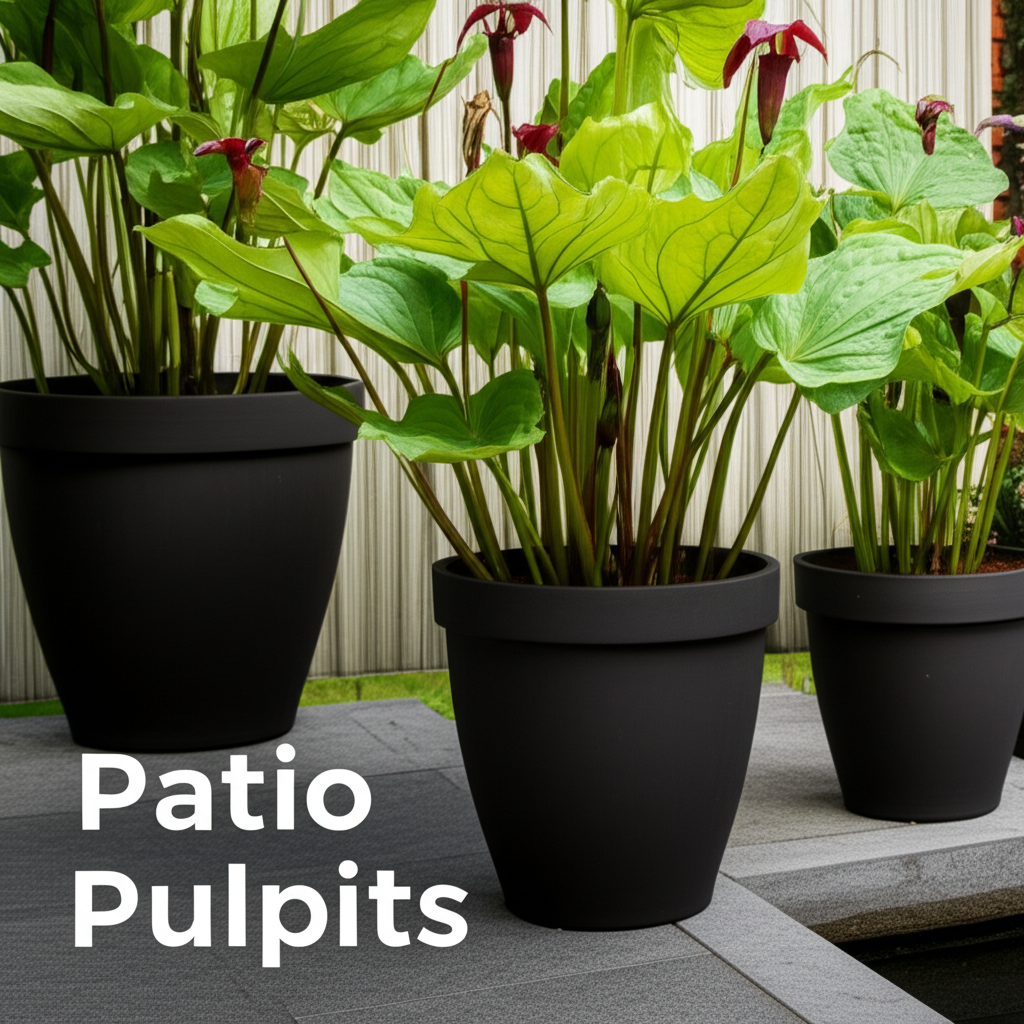
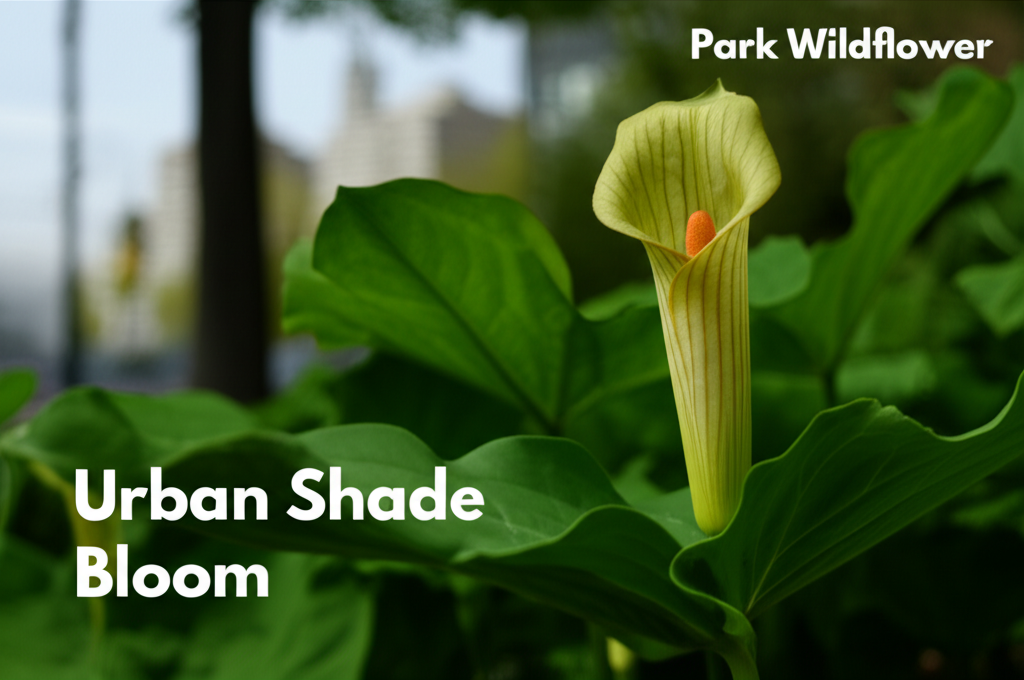
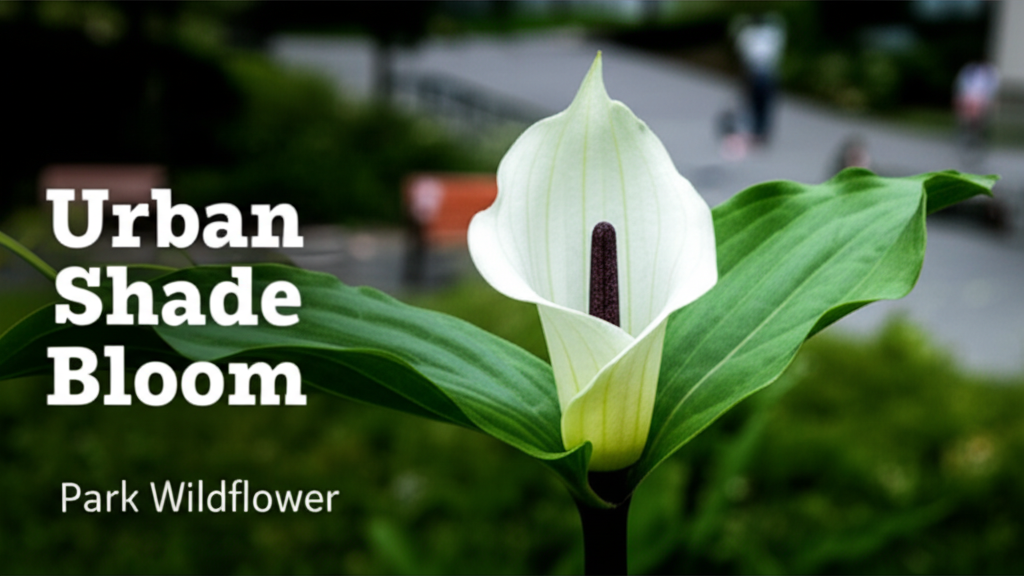
The common name, “Jack-in-the-Pulpit,” perfectly describes the plant’s most striking feature: a hooded spathe that enfolds a central spadix. This arrangement is not just visually intriguing; it serves a crucial biological function. The spathe, typically green with purple or brown stripes, acts as a protective canopy, while the spadix, often referred to as “the pulpit,” is the floral structure. Tiny, inconspicuous flowers are clustered at the base of the spadix, hidden within the spathe.
Beneath the soil, the Jack-in-the-Pulpit possesses a corm, a swollen underground stem that stores nutrients and allows the plant to survive dormancy periods. This corm also plays a role in the plant’s sexual reproduction, as it can develop into either a male or female plant, with sex determination influenced by age and environmental conditions. Older, more robust plants tend to be female, producing a cluster of bright red berries in the fall, while younger plants are typically male.
The leaves of the Jack-in-the-Pulpit are compound, usually consisting of three leaflets, lending it another scientific name, triphyllum, meaning “three-leaved.” These broad leaflets help capture the dappled sunlight that filters through the forest canopy, a crucial adaptation for its understory habitat.
Ecological Significance and Adaptations for Shade
The Jack-in-the-Pulpit is a quintessential woodland plant, thriving in the humid, shaded conditions found on forest floors. Its preference for moist, well-drained soil rich in organic matter makes it perfectly suited for the understory of mature trees in urban parks. These areas, often neglected in traditional landscaping, can be transformed into vibrant habitats by introducing native shade-tolerant species.
The plant’s adaptations for shade are key to its success. Its broad leaves maximize light absorption in low-light environments. The spathe and spadix also play a role in pollination, attracting small insects like flies and gnats that are lured by the scent and then trapped within the spathe. As these insects crawl down the spadix, they pollinate the flowers. The resulting bright red berries, while attractive, are mildly toxic to humans if eaten raw due to calcium oxalate crystals. However, Native American tribes historically processed the corms and berries to render them edible after careful preparation, highlighting the plant’s traditional uses.
In an urban park setting, the Jack-in-the-Pulpit can contribute to a more complex and resilient ecosystem. Its presence can support native insect populations, and its berries provide a food source for some bird species in the fall. By replicating the natural conditions of a woodland floor, urban parks can offer a sanctuary for this intriguing plant and the wildlife it supports.
Key Facts and Comparison: Jack-in-the-Pulpit vs. Common Lawn Grass
When considering the ecological value and aesthetic contribution of plants in urban parks, a comparison with the ubiquitous lawn grass highlights the distinct advantages of native flora like the Jack-in-the-Pulpit. While lawn grass is aesthetically uniform and requires constant maintenance, it offers limited ecological benefits.
| Feature | Jack-in-the-Pulpit (Arisaema triphyllum) | Common Lawn Grass (e.g., Kentucky Bluegrass) |
|---|---|---|
| Habitat Preference | Shaded, moist woodlands, rich organic soil | Full sun, well-drained soil (cultivated) |
| Water Needs | Moderate to high, consistent moisture | Moderate to high, requires regular watering |
| Maintenance | Low, naturalizes well in suitable conditions | High, requires mowing, fertilization, aeration, weed control |
| Ecological Value | Supports native insects, provides bird food (berries), enhances biodiversity | Minimal, primarily aesthetic, can require significant chemical inputs |
| Aesthetic Appeal | Unique, sculptural form, interesting seasonal changes | Uniform, manicured green carpet |
| Pest/Disease Resistance | Generally good when in appropriate conditions | Can be susceptible to various pests and diseases, requiring treatments |
| Soil Improvement | Contributes organic matter over time | Can deplete soil nutrients, may require amendments |
Integrating Jack-in-the-Pulpit into Urban Park Design
The successful integration of Jack-in-the-Pulpit into urban park landscapes requires a thoughtful approach to design and site selection. The key is to mimic its natural habitat as closely as possible. This involves identifying areas within the park that receive dappled shade, particularly beneath mature deciduous trees. These locations often have moist, well-drained soil that is rich in organic matter, conditions that the Jack-in-the-Pulpit prefers.
When planning planting schemes, consider grouping Jack-in-the-Pulpit with other native shade-loving plants. This creates a more naturalistic and ecologically beneficial planting. Companion plants could include ferns, hostas, trilliums, and various woodland wildflowers. Such a diverse planting not only enhances the visual appeal but also provides a more robust habitat for wildlife.
The establishment of these areas can be achieved through several methods:
- Naturalization: Allowing existing seed banks to flourish in suitable conditions, or introducing a small number of plants that can then spread naturally.
- Designated planting beds: Creating specific areas designed to replicate woodland conditions with amended soil and mulch.
- Understory planting: Integrating Jack-in-the-Pulpit into the existing understory of tree groves.
When planting, ensure that the corms are placed at the correct depth, typically 2-4 inches below the surface, with the pointed end facing upwards. Mulching with organic material, such as leaf mold or shredded bark, is highly beneficial. Mulch helps retain soil moisture, suppress weeds, and enrich the soil as it decomposes.
Challenges and Considerations for Urban Cultivation
While the Jack-in-the-Pulpit is a resilient plant, urban environments present unique challenges that need to be addressed for its successful cultivation. These challenges often stem from differences between natural woodland settings and managed urban parks.
Potential Challenges:
- Soil Compaction: Heavy foot traffic in urban parks can lead to soil compaction, hindering root growth and water penetration.
- Watering Regimes: Parks often have automated irrigation systems designed for lawns, which may not be suitable for the Jack-in-the-Pulpit’s specific moisture needs. Overwatering can lead to root rot, while infrequent, deep watering might not suffice.
- Herbivory: Deer and other urban wildlife may nibble on the foliage, especially in areas with limited alternative food sources.
- Competition from Invasive Species: Aggressive non-native plants can outcompete native species like the Jack-in-the-Pulpit for light, water, and nutrients.
- Pollution and Soil Contamination: Urban soils can sometimes contain pollutants or have altered pH levels, which can affect plant health.
Mitigation Strategies and Best Practices:
| Aspect | Description/Action | Pros | Cons |
|---|---|---|---|
| Site Selection | Identify naturally shaded areas with moist, well-drained soil. | Mimics natural habitat, increasing success rate. | Limited availability of ideal sites in some urban parks. |
| Avoid areas with prolonged direct sun or waterlogged conditions. | Prevents plant stress and potential disease. | Requires careful observation and understanding of microclimates. | |
| Soil Preparation | Amend soil with compost and organic matter to improve drainage and fertility. | Provides essential nutrients and promotes healthy root development. | Can be labor-intensive in large park settings. |
| Ensure adequate drainage to prevent root rot. | Crucial for preventing fungal diseases. | May require professional assessment of drainage systems. | |
| Planting Technique | Plant corms 2-4 inches deep, pointed end up. | Ensures proper establishment and growth. | Incorrect depth can lead to failure to emerge or rot. |
| Space plants appropriately to allow for mature size and air circulation. | Prevents overcrowding and reduces disease transmission. | Requires foresight and planning for growth. | |
| Watering & Mulching | Maintain consistent moisture, especially during dry periods. Avoid overwatering. | Supports vigorous growth and flowering. | Requires careful monitoring and adjustment of irrigation. |
| Apply a layer of organic mulch (e.g., leaf mold, shredded bark). | Conserves moisture, suppresses weeds, and enriches soil. | Mulch needs replenishment periodically. | |
| Protection | Consider fencing or deterrents in areas with high deer/herbivore activity. | Protects plants from damage. | Can be aesthetically intrusive and costly. |
| Regularly monitor for and remove invasive plant species. | Reduces competition and promotes native plant health. | Requires ongoing vigilance and dedicated effort. | |
| Public Education | Inform park visitors about the plant’s importance and to refrain from disturbing it. | Fosters appreciation and stewardship. | Requires consistent communication and signage. |
The Jack-in-the-Pulpit as a Symbol of Urban Resilience and Biodiversity
The presence of the Jack-in-the-Pulpit in urban parks serves as a powerful symbol of ecological resilience. In environments often dominated by human activity and managed landscapes, this native plant demonstrates its ability to not only survive but thrive, provided the right conditions are met. Its success is a testament to the enduring power of nature and the potential for biodiversity to flourish even in seemingly inhospitable settings.
By actively incorporating and promoting the Jack-in-the-Pulpit and other native shade-tolerant species, urban parks can evolve from purely recreational spaces into vital ecological corridors. These areas become havens for native pollinators, beneficial insects, and a variety of small wildlife. They contribute to the overall health of the urban ecosystem by improving air and water quality, reducing the urban heat island effect, and providing much-needed green infrastructure.
Furthermore, the Jack-in-the-Pulpit offers a unique educational opportunity. Its distinctive appearance and life cycle can spark curiosity and foster a deeper appreciation for the natural world among park visitors of all ages. Educational signage, guided walks, and community planting events can all help to highlight the importance of native plants and their role in supporting urban biodiversity.
In conclusion, the Jack-in-the-Pulpit is more than just a visually interesting plant; it is a valuable component of a healthy urban ecosystem. Its ability to thrive in shade, its unique morphology, and its contribution to biodiversity make it an exceptional choice for enriching the botanical tapestry of our city parks. As urban planning increasingly prioritizes sustainability and ecological health, the humble Jack-in-the-Pulpit stands as a beacon of natural beauty and resilience, reminding us that wildness can indeed find a home in the heart of the city.