Introduction to Jack-in-the-Pulpit (Arisaema) in Containers
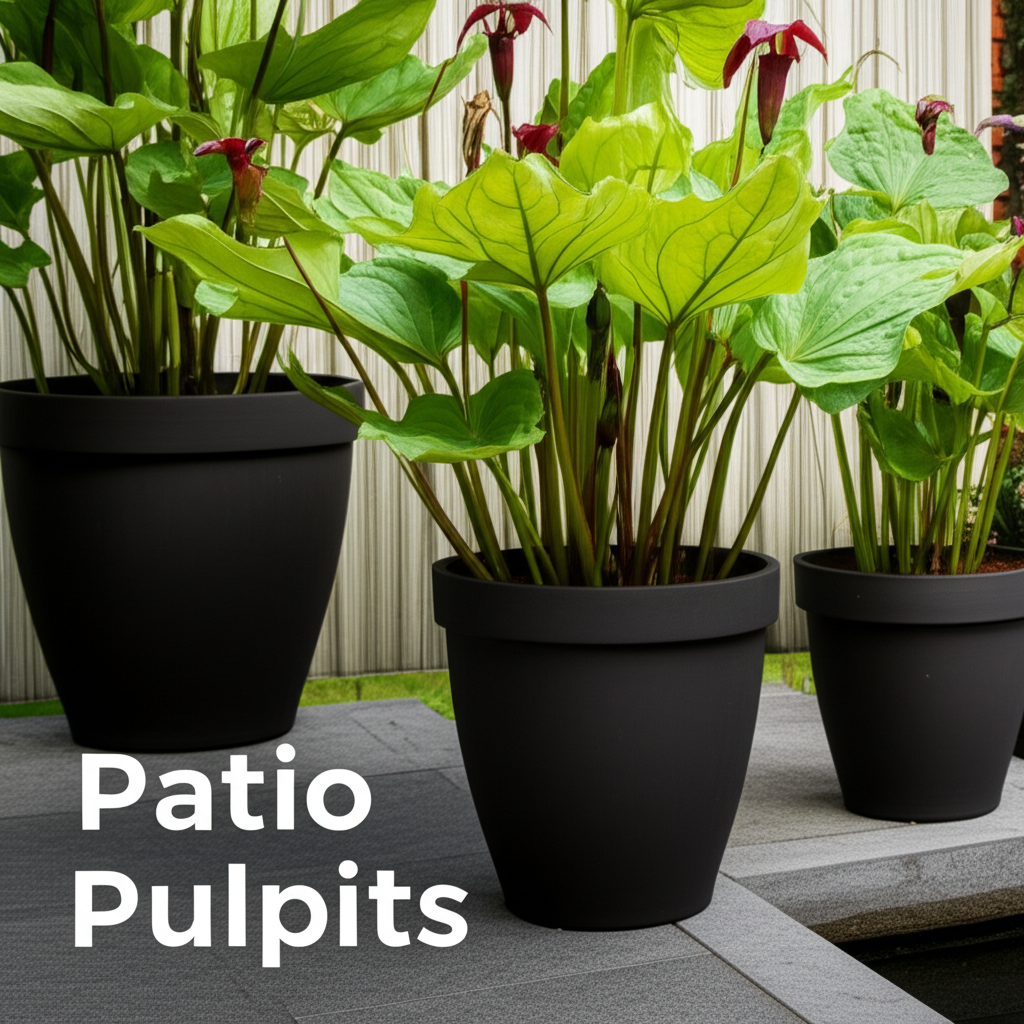
Jack-in-the-Pulpit, scientifically known as Arisaema, is a fascinating woodland perennial celebrated for its unique hooded spathe that resembles a preacher standing in a pulpit. Native to eastern North America, these captivating plants offer a striking architectural element to any garden, and their unusual beauty can be just as effectively showcased in containers. Container planting allows for greater control over growing conditions, making it an excellent option for gardeners who may not have ideal in-ground soil or who wish to strategically place these ephemeral beauties. However, successfully cultivating Arisaema in pots hinges on understanding their specific needs, particularly when it comes to watering. This guide will delve into the nuances of watering Jack-in-the-Pulpit when grown in containers, ensuring your plants thrive from emergence to dormancy.
Understanding Jack-in-the-Pulpit’s Natural Habitat and Watering Needs
To effectively water Arisaema in containers, it’s crucial to replicate their natural environment. In their native woodland settings, Jack-in-the-Pulpit typically thrives in cool, moist, shady areas with rich, organic-rich soil. They often grow in dappled sunlight beneath deciduous trees, where the soil retains moisture but also drains well. This means they prefer consistent moisture, especially during their active growing season, but they are susceptible to root rot if waterlogged.
This duality – a need for consistent moisture without being waterlogged – is the key challenge in container watering. Pots, by their nature, can dry out more quickly than garden beds, but they also have a higher risk of becoming saturated if drainage is inadequate. Therefore, a thoughtful approach to watering is essential.
Key Factors Influencing Watering Frequency for Container-Grown Jack-in-the-Pulpit
Several variables dictate how often you’ll need to water your container-grown Jack-in-the-Pulpit. Ignoring these can lead to overwatering or underwatering, both of which can be detrimental.
Container Size and Material
- Size: Larger pots hold more soil, which retains moisture longer than smaller pots. Consequently, larger containers will require less frequent watering.
- Material: Porous materials like terracotta or unglazed ceramic breathe, allowing for faster evaporation and thus more frequent watering needs. Non-porous materials like plastic or glazed ceramic retain moisture for longer periods.
Environmental Conditions
- Temperature: Higher temperatures increase evaporation rates from the soil surface and transpiration from the plant’s leaves, demanding more frequent watering.
- Sunlight Exposure: Plants in full sun will dry out much faster than those in shade. Arisaema generally prefer shade or dappled light, so their placement will significantly impact watering schedules.
- Wind: Windy conditions can accelerate drying of the soil surface and increase plant transpiration.
- Humidity: Low humidity will cause the soil to dry out more quickly.
Soil Type and Drainage
- The potting mix used is paramount. A well-draining but moisture-retentive mix is ideal. If the mix is too heavy or compacted, it will hold too much water, leading to root rot. If it’s too sandy, it will drain too quickly, leading to frequent drying.
- Adequate drainage holes in the container are non-negotiable.
Plant Growth Stage
- Emergence and Active Growth: During spring when the leaves and flower stalk are developing, Arisaema has a higher demand for water. The soil should be kept consistently moist.
- Fruiting Stage (if applicable): After flowering, some species may develop attractive berry clusters. This stage also requires consistent moisture.
- Dormancy: As the foliage begins to yellow and die back in late summer or fall, watering should be significantly reduced. The plant is entering its dormant phase and needs drier conditions to prevent rot.
Watering Techniques: The Art of Consistency
The goal with watering Arisaema in containers is to maintain a consistently moist, but not soggy, soil. This means avoiding the extremes of bone dry and waterlogged.
The Finger Test: Your Most Reliable Indicator
The most straightforward and effective way to determine if your Jack-in-the-Pulpit needs water is the finger test.
- Insert your finger about two inches into the potting mix.
- If the soil feels dry at this depth, it’s time to water.
- If it feels moist, hold off on watering.
This simple method bypasses assumptions and directly assesses the soil’s moisture content at the root level.
Watering Thoroughly When You Do Water
When the finger test indicates it’s time to water, do so thoroughly.
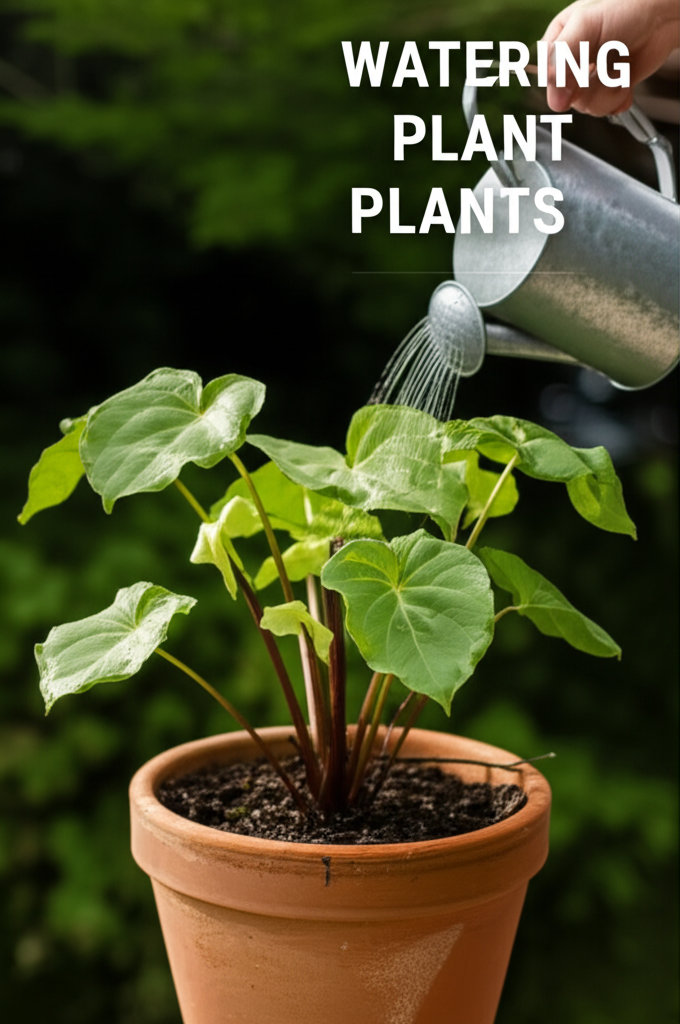
- Water slowly and evenly over the entire soil surface.
- Continue watering until you see water draining freely from the drainage holes at the bottom of the pot.
- This ensures that the entire root ball is moistened and flushes out any accumulated salts from fertilizers.
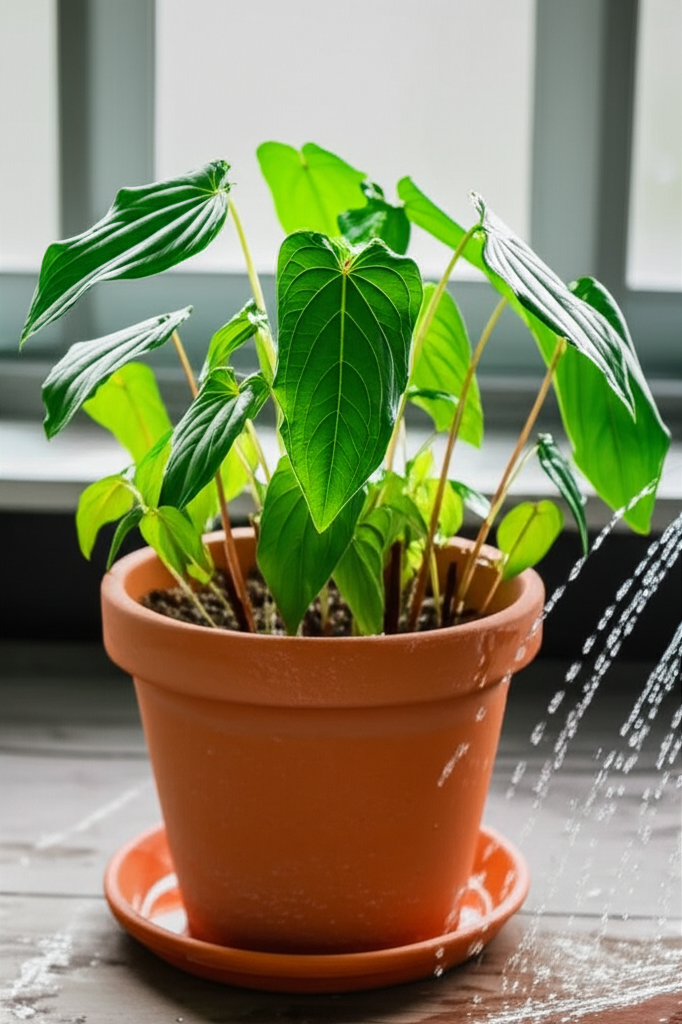
- Allow the pot to drain completely before returning it to its saucer (if using one). Never let the pot sit in standing water.
Morning Watering is Best
Watering in the morning is generally recommended for most container plants, including Arisaema. This allows:
- The foliage to dry off before nightfall, reducing the risk of fungal diseases.
- The plant to access water throughout the day as temperatures rise.
- The soil to absorb moisture before the heat of the day causes rapid evaporation.
Watering in the late afternoon or evening can leave foliage wet overnight, creating an environment conducive to fungal infections.
Seasonal Watering Adjustments
- Spring (Emergence & Growth): Monitor soil moisture frequently, as this is when the plant is actively growing and demanding water. You might find yourself watering every few days, depending on conditions.
- Summer (Peak Growth): Continue to monitor closely. Hot, dry spells will necessitate more frequent watering, potentially daily in extreme heat.
- Late Summer/Early Autumn (Foliage Dieback): As the leaves start to yellow and wither, gradually reduce watering. Allow the soil to dry out more between waterings.
- Winter (Dormancy): Once the foliage has completely died back, the Arisaema rhizome is dormant. Keep the soil barely moist – just enough to prevent the rhizome from completely drying out. This might mean watering only once a month or even less, depending on your climate and where the pot is stored (e.g., unheated garage, sheltered outdoor spot).
Common Watering Mistakes to Avoid
Even with good intentions, certain watering habits can inadvertently harm your Jack-in-the-Pulpit.
Overwatering
This is perhaps the most common and deadly mistake with container plants.
- Symptoms: Yellowing leaves (often starting from the bottom), wilting despite moist soil, soft/mushy stems, a musty odor from the soil, and eventual root rot which leads to plant death.
- Prevention: Always check soil moisture before watering. Ensure excellent drainage. Never let the pot sit in standing water.
Underwatering
While less immediately fatal than overwatering, chronic underwatering can stress the plant.
- Symptoms: Drooping leaves, wilting, dry and brittle foliage, stunted growth.
- Prevention: Pay attention to the finger test. Water thoroughly when needed.
Inconsistent Watering
Allowing the soil to go from bone dry to saturated repeatedly can shock the plant.
- Symptoms: Stunted growth, leaf drop, general poor health.
- Prevention: Develop a consistent monitoring routine.
Watering Foliage
While not as critical as the moisture level of the soil, wetting the leaves unnecessarily can promote fungal diseases. Aim to water the soil directly.
Choosing the Right Potting Mix for Optimal Drainage and Moisture Retention
The foundation of successful container watering begins with the potting mix. A specialized mix is essential for Arisaema.
Ideal Potting Mix Components
A good mix for Jack-in-the-Pulpit in containers should offer:
- Excellent Drainage: This is paramount to prevent root rot.
- Moisture Retention: It needs to hold enough water to keep the roots hydrated between waterings.
- Aeration: Roots need oxygen to thrive.
- Nutrients: A source of organic matter is beneficial.
Recommended Potting Mix Recipe
A balanced mix can often be achieved by combining:
- 2 parts high-quality potting soil (preferably peat-based or coir-based for moisture retention)
- 1 part perlite or coarse horticultural sand (for drainage and aeration)
- 1 part compost or well-rotted leaf mold (for nutrients and improved structure)
You can also find pre-made potting mixes specifically formulated for shade-loving perennials or woodland plants. Avoid using garden soil in containers, as it compacts too easily and lacks the necessary aeration and drainage.
Watering During Different Stages of Growth and Dormancy
Understanding the life cycle of Arisaema is key to adapting your watering practices.
Spring: The Awakening
As temperatures warm and the snow melts (if applicable), your Arisaema rhizome will begin to sprout. This is a period of active vegetative growth.
- Monitoring: Start checking soil moisture as soon as the first signs of growth appear.
- Watering: Keep the soil consistently moist but not soggy. You’ll likely be watering more frequently than during dormancy.
- Caution: Avoid overwatering early on if the weather is still cool, as this can lead to rot.
Summer: Peak Performance
This is when the iconic spathe and spadix are present, and the plant is photosynthesizing vigorously.
- Monitoring: This is the most critical time for watering. Frequent checks are necessary, especially during hot, dry weather.
- Watering: Water thoroughly when the top inch or two of soil is dry. Ensure good drainage to prevent waterlogging.
- Shade is Key: If your container is in a location that gets too much sun, you may need to water daily. Consider moving containers to shadier spots during heat waves.
Autumn: The Slowdown and Transition
As days shorten and temperatures cool, the foliage of Arisaema will begin to yellow and eventually die back, signaling the onset of dormancy.
- Monitoring: Reduce watering frequency.
- Watering: Allow the soil to dry out more significantly between waterings. The plant no longer needs as much moisture to support active growth.
- Purpose: This gradual drying is essential to prepare the rhizome for its dormant period and prevent rot.
Winter: The Resting Phase
Once the foliage has completely withered, the Arisaema rhizome is dormant underground (or in its container).
- Monitoring: Minimal monitoring is required.
- Watering: The goal is to keep the rhizome from completely drying out, which can kill it. This means watering very sparingly, perhaps once a month or even less. The exact frequency depends heavily on your climate.
- Storage: If you live in a very cold climate, it’s often best to bring the containers into an unheated garage or shed to protect the rhizomes from extreme freezing. Ensure the storage area is cool but above freezing. Check moisture levels periodically.
Watering in Different Climates
Your local climate will significantly influence watering schedules.
- Humid Climates: You might need to water less frequently, but drainage remains absolutely critical to prevent fungal issues. Ensure good air circulation around your pots.
- Arid Climates: Watering will be a much more frequent concern. You may need to water daily during hot spells. Consider using mulch (though carefully, to avoid retaining too much moisture at the crown) to help retain soil moisture.
Watering and Fertilization: A Synergistic Relationship
Watering and fertilization go hand-in-hand.
- Fertilizing: Arisaema are not heavy feeders. A light feeding in spring with a balanced, slow-release fertilizer or a top dressing of compost can be beneficial.
- Watering After Fertilizing: Always water thoroughly after applying fertilizer to help it dissolve and move into the root zone, and to prevent root burn.
- Over-fertilizing: Avoid over-fertilizing, as this can damage the roots and lead to a buildup of salts in the potting mix, which can harm the plant.
Troubleshooting Common Watering Issues
When problems arise, watering is often the culprit.
| Problem | Possible Cause | Solution |
| :————————— | :————————————————- | :———————————————————————————————————————————————————————————————————– |
| Yellowing Leaves | Overwatering (root rot) | Check soil moisture. If wet, stop watering and allow to dry. Ensure good drainage.
Underwatering (severe drought) | Check soil moisture. Water thoroughly. |
| Wilting Plant | Underwatering | Water immediately and thoroughly. | Overwatering (roots are suffocating) | Check soil moisture. If wet, allow to dry out. Improve drainage. |
| Brown, Crispy Leaf Edges | Underwatering or salt buildup from fertilizer | Water thoroughly to flush salts. Check watering frequency. |
| Mold/Fungus on Soil Surface | Overwatering, poor air circulation, or stagnant water | Reduce watering. Ensure adequate air circulation. Remove excess organic debris. Ensure pot is not sitting in water. |
| Stunted Growth | Inconsistent watering, poor soil, or lack of light | Ensure consistent moisture. Check and amend potting mix for good drainage and aeration. Ensure the plant is in appropriate light conditions. |
| Rotting Rhizome | Chronic overwatering and poor drainage | This is often fatal. If caught early, carefully remove the plant, trim away all rotted portions with a sterile knife, and repot in fresh, well-draining mix. Water sparingly and provide good air circulation. |
A Summary of Best Practices for Jack-in-the-Pulpit Container Watering
To reiterate the most crucial aspects of watering your container-grown Arisaema:
- Prioritize Drainage: Use pots with drainage holes and a well-draining potting mix.
- Moisture, Not Saturation: Aim for consistently moist soil, never waterlogged.
- The Finger Test is Key: Always check soil moisture before watering.
- Water Deeply: When you water, water thoroughly until it drains from the bottom.
- Morning Watering: Water in the morning to allow foliage to dry.
- Seasonal Adaptation: Adjust watering based on the plant’s growth stage and weather.
- Dormancy Care: Reduce watering significantly during dormancy, just enough to keep the rhizome from drying out.
- Observe Your Plant: Learn to recognize the signs of over- or under-watering.
Pros and Cons of Container Planting and Watering Techniques
Container planting offers distinct advantages and challenges, particularly concerning watering.
| Advantage/Disadvantage of Container Planting | Watering Technique |
| :——————————————- | :——————————————————————————- |
| Advantage: Controlled Environment | Technique: Easier to manage soil composition and drainage. |
| Advantage: Strategic Placement | Technique: Can move plants to shade during heatwaves or protect from frost. |
| Advantage: Accessibility for Monitoring | Technique: Finger test is readily available. |
| Disadvantage: Faster Drying | Technique: Requires more frequent monitoring than in-ground planting. |
| Disadvantage: Risk of Waterlogging | Technique: Emphasize drainage and avoid letting pots sit in water. |
| Disadvantage: Nutrient Leaching | Technique: Regular, thorough watering can wash out nutrients. |
By mastering these watering techniques, you can ensure your Jack-in-the-Pulpit plants not only survive but truly flourish in their container homes, bringing their unique charm to your porch, patio, or balcony year after year.
html
<h2>Jack-in-the-Pulpit Container Planting: Watering Techniques</h2>
<h3>Table 1: Key Facts & Comparison</h3>
<table>
<thead>
<tr>
<th>Feature</th>
<th>Dormant Season Watering</th>
<th>Active Growing Season Watering</th>
<th>Established Container Watering</th>
</tr>
</thead>
<tbody>
<tr>
<td>Timing</td>
<td>Late Fall/Early Winter (after leaf dieback) & potentially mid-winter if very dry.</td>
<td>Spring (as new growth emerges) through Summer.</td>
<td>Throughout the growing season, adjusted for environmental conditions.</td>
</tr>
<tr>
<td>Frequency</td>
<td>Infrequent; only when the potting mix is dry to the touch.</td>
<td>More frequent; check regularly, especially in warmer weather.</td>
<td>Depends on pot size, soil mix, temperature, humidity, and light.</td>
</tr>
<tr>
<td>Amount</td>
<td>Sufficient to moisten the potting mix without becoming waterlogged.</td>
<td>Thoroughly; water until it drains from the bottom.</td>
<td>Thoroughly; water until it drains from the bottom.</td>
</tr>
<tr>
<td>Goal</td>
<td>Prevent the corm from drying out completely.</td>
<td>Support active growth and flowering.</td>
<td>Maintain consistent moisture for the plant's health.</td>
</tr>
<tr>
<td>Caution</td>
<td>Overwatering can lead to rot.</td>
<td>Underwatering can stress the plant and reduce bloom potential.</td>
<td>Inconsistent watering can lead to root issues.</td>
</tr>
</tbody>
</table>
<h3>Table 2: Steps & Pros/Cons</h3>
<table>
<thead>
<tr>
<th>Aspect</th>
<th>Description</th>
<th>Pros</th>
<th>Cons</th>
</tr>
</thead>
<tbody>
<tr>
<td>Initial Watering (Post-Planting)</td>
<td>Water thoroughly after planting the corm to settle the soil.</td>
<td>Ensures good soil-to-corm contact, aids in initiating root growth.</td>
<td>Overwatering immediately can potentially lead to rot if drainage is poor.</td>
</tr>
<tr>
<td>Checking Soil Moisture</td>
<td>Insert finger 1-2 inches into the potting mix. If dry, water. If moist, wait.</td>
<td>Prevents overwatering and underwatering, promotes healthy root development.</td>
<td>Requires regular attention and understanding of soil consistency.</td>
</tr>
<tr>
<td>Watering Method</td>
<td>Water the soil surface directly, avoiding splashing the leaves or spadix.</td>
<td>Minimizes the risk of fungal diseases and rot on foliage.</td>
<td>Can be time-consuming if watering individual pots frequently.</td>
</tr>
<tr>
<td>Dormancy Watering Strategy</td>
<td>Water sparingly only when the potting mix is bone dry, typically late fall/winter.</td>
<td>Crucial for preventing corm desiccation without promoting rot.</td>
<td>Requires vigilance during a period when the plant appears dead.</td>
</tr>
<tr>
<td>Spring Awakening Watering</td>
<td>Increase watering frequency as soon as new growth appears.</td>
<td>Supplies the plant with necessary moisture for active development.</td>
<td>Can be challenging to gauge the exact need as growth is nascent.</td>
</tr>
<tr>
<td>Summer Heat Watering</td>
<td>Water deeply and more frequently during hot, dry spells.</td>
<td>Essential to keep the soil consistently moist and prevent wilting.</td>
<td>Requires consistent monitoring, especially in smaller pots.</td>
</tr>
<tr>
<td>Drainage</td>
<td>Ensure pots have adequate drainage holes.</td>
<td>Prevents waterlogged conditions that lead to root rot.</td>
<td>If drainage is poor, even careful watering can be detrimental.</td>
</tr>
</tbody>
</table>