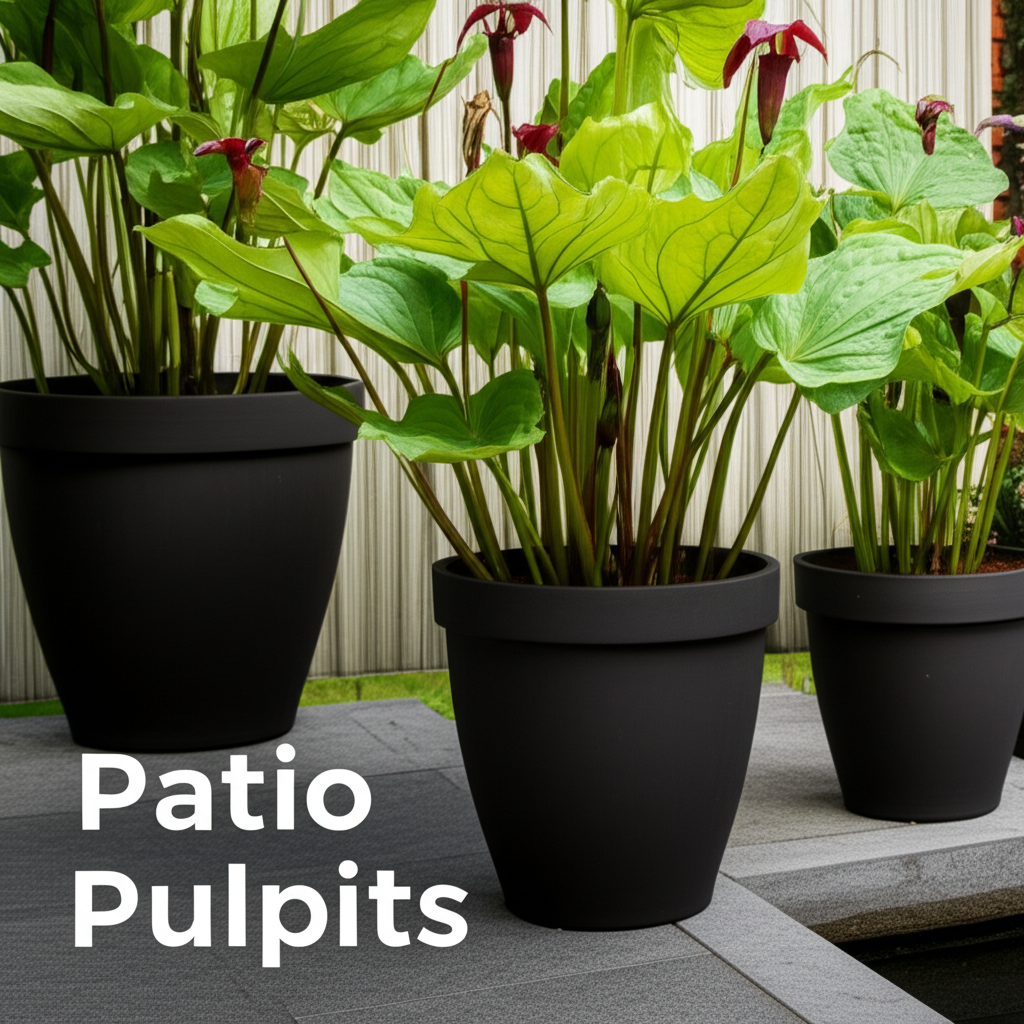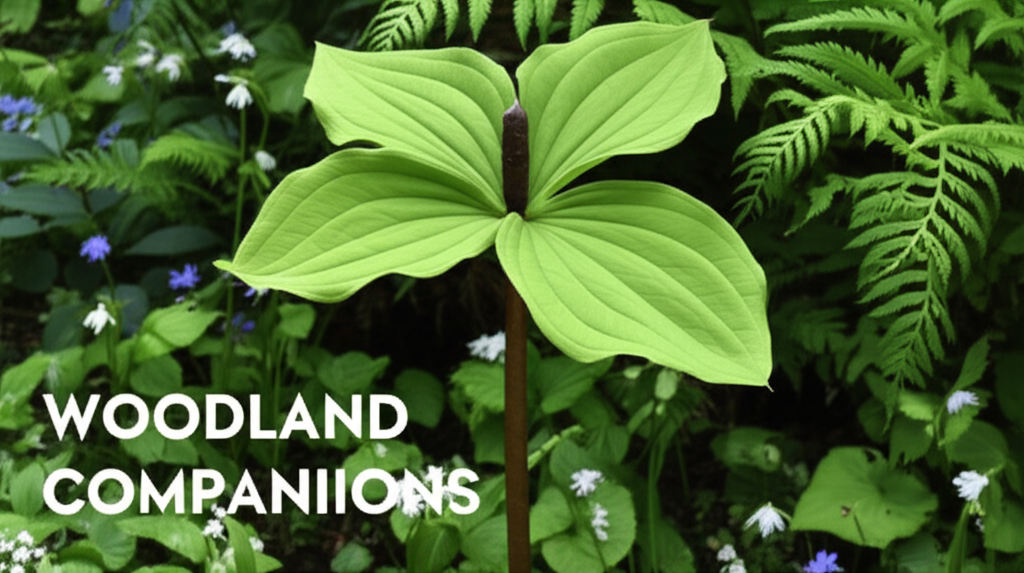
Introduction to Jack-in-the-Pulpit (Arisaema triphyllum)
Jack-in-the-Pulpit, scientifically known as Arisaema triphyllum, is a captivating native wildflower that embodies the mystique of the North American woodland. Its unique and often anthropomorphic inflorescence – the spathe and spadix – resembling a preacher in a pulpit, has earned it a place of fascination in gardens and natural landscapes alike. This woodland gem thrives in dappled shade and moist, humus-rich soil, making it a perfect candidate for creating a lush and diverse understory. Beyond its aesthetic appeal, understanding its ecological role and companion planting potential can elevate a woodland garden from a collection of individual plants to a harmonious, thriving ecosystem. This article delves into the art and science of companion planting with Jack-in-the-Pulpit, focusing on its synergistic relationships with woodland ferns and bulbs, to foster a resilient, beautiful, and ecologically sound garden.
Understanding the Needs of Jack-in-the-Pulpit
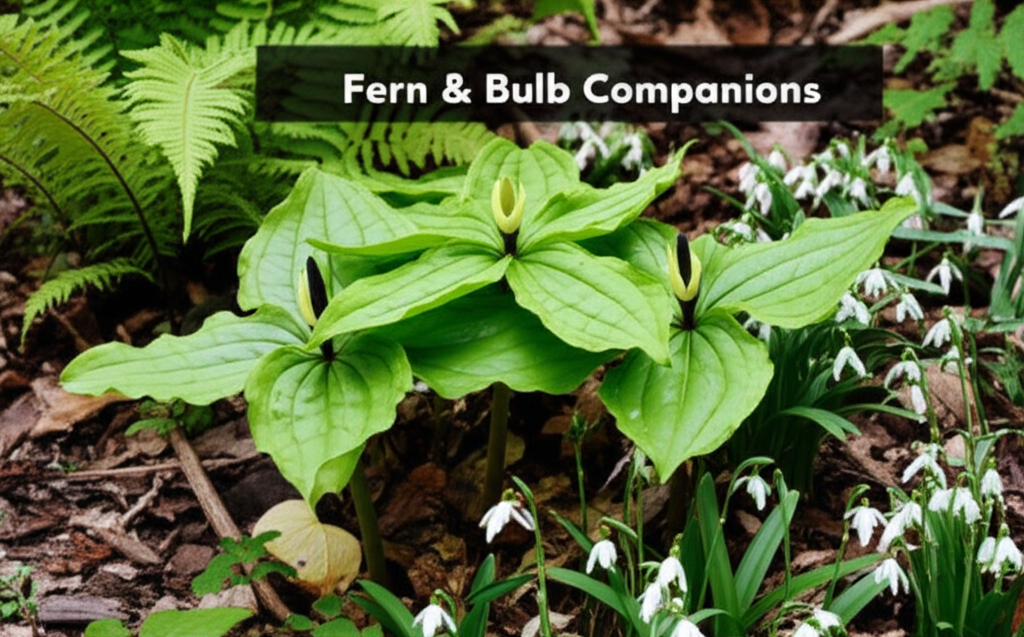
To effectively companion plant, a thorough understanding of the primary plant’s requirements is paramount. Jack-in-the-Pulpit, a member of the Araceae family, is a herbaceous perennial that exhibits fascinating dimorphism, meaning it can develop differently based on age and resource availability. The most common form features a distinctive hooded spathe, typically green with purple or brown stripes, enveloping a club-like spadix.
Soil and Moisture Requirements
This woodland native prefers consistently moist, well-drained soil rich in organic matter. It thrives in loamy or humusy soils that retain moisture without becoming waterlogged. Ideal pH levels are slightly acidic to neutral (around 5.5 to 7.0). Amending garden soil with compost, leaf mold, or well-rotted manure is highly beneficial for mimicking its natural habitat.
Light Conditions
Jack-in-the-Pulpit is an understory plant and prefers dappled shade or partial shade. Direct, hot sun can scorch its leaves and dry out the soil too quickly. The ideal location receives morning sun and afternoon shade, or is situated beneath the canopy of deciduous trees that provide a natural filter.
Seasonal Growth Cycle
- Spring: Emerges from its corm, displaying its characteristic spathe and spadix. Leaves unfurl, typically in sets of three leaflets.
- Summer: The plant matures, and after pollination, the spathe wilts, revealing a dense spike of bright red berries in late summer or fall. These berries are a food source for wildlife but are toxic to humans.
- Fall: Foliage turns yellow and dies back, with the corm going dormant for the winter.
- Winter: The plant is dormant, with the corm protected underground.
Reproduction
Jack-in-the-Pulpit reproduces both by rhizomes (spreading underground stems) and by seeds produced from its berries. Seed dispersal is aided by birds and other animals that consume the berries.
The Synergistic Benefits of Companion Planting with Ferns
Woodland ferns are natural companions for Jack-in-the-Pulpit, sharing similar habitat preferences and offering complementary aesthetic and ecological benefits. Their diverse forms, textures, and resilience create a visually stunning and functionally robust understory.
Mimicking the Natural Habitat
Ferns are quintessential woodland plants. Their presence naturally evokes the shaded, moist, and humus-rich environment that Jack-in-the-Pulpit requires. Planting them together creates a more cohesive and naturalistic woodland garden.
Providing Shade and Moisture Retention
The fronds of many fern species can help provide a cooler microclimate around the base of the Jack-in-the-Pulpit, especially during the hot summer months. This shade reduces soil temperature and evaporation, helping to maintain the consistent moisture levels that Arisaema triphyllum needs. The dense root systems of ferns also contribute to soil structure and help hold moisture.
Aesthetic Harmony
The delicate, feathery textures of fern fronds offer a beautiful contrast to the bold, architectural form of the Jack-in-the-Pulpit. This textural interplay adds depth and visual interest to the garden, creating layers of greenery that are pleasing to the eye. From the arching fronds of Ostrich Fern (Matteuccia struthiopteris) to the delicate lace of Maidenhair Fern (Adiantum pedatum), there’s a fern to complement every shade and mood.
Pest and Disease Deterrence (Potential)
While direct scientific evidence for pest and disease deterrence between Jack-in-the-Pulpit and common woodland ferns is limited, companion planting in general can contribute to a healthier ecosystem. A diverse planting scheme can confuse pests, making it harder for them to locate their preferred host plants. A healthy soil environment, supported by a mix of plant root systems and organic matter from decaying foliage, is also more resilient to disease.
Ideal Fern Companions for Jack-in-the-Pulpit
Several native fern species are particularly well-suited for interplanting with Jack-in-the-Pulpit:
- Ostrich Fern (Matteuccia struthiopteris): Known for its tall, vase-shaped growth and fertile fronds that resemble ostrich plumes. It thrives in moist soil and partial shade.
- Maidenhair Fern (Adiantum pedatum): Features delicate, fan-shaped fronds on black, wiry stems. It prefers moist, humus-rich soil and dappled shade.
- Lady Fern (Athyrium filix-femina): A graceful fern with finely cut fronds. It tolerates a range of light conditions and prefers moist soil.
- Christmas Fern (Polystichum acrostichoides): An evergreen fern that provides winter interest. It’s adaptable to drier conditions than some other ferns but still appreciates moisture.
- Sensitive Fern (Onoclea sensibilis): Features broad, fertile fronds that are very distinct. It spreads readily and prefers wet to moist soils.
The Role of Woodland Bulbs in Jack-in-the-Pulpit Gardens
Woodland bulbs, particularly those that bloom in early spring or late fall, can extend the interest of a Jack-in-the-Pulpit garden, provide complementary ground cover, and enhance the overall biodiversity.
Extending Bloom Time and Interest
While Jack-in-the-Pulpit typically blooms in spring, companion bulbs can offer color and visual appeal before, during, or after its prime. Early spring bulbs can provide a vibrant display as the Jack-in-the-Pulpit emerges, while later blooming bulbs can offer continued interest as the Jack-in-the-Pulpit begins to go dormant or after its berries have formed.
Nutrient Cycling and Soil Health
Bulbs contribute to the complex web of life in the soil. As they grow and senesce, they add organic matter, and their root systems help to aerate the soil and improve its structure. This is particularly beneficial for the rich, moist soil that Jack-in-the-Pulpit and ferns prefer.
Ground Cover and Weed Suppression
A dense planting of bulbs can act as effective ground cover, helping to suppress weed growth. This reduces the need for manual weeding, which can be disruptive to delicate woodland plants.
Ecological Benefits
Spring-blooming bulbs are often among the first nectar sources for emerging pollinators like bees and butterflies, contributing to the garden’s ecological value.
Ideal Bulb Companions for Jack-in-the-Pulpit
When selecting bulbs, consider their bloom time, light requirements, and moisture needs to ensure they are compatible with Jack-in-the-Pulpit.
- Trout Lily (Erythronium americanum): This beautiful native bulb has mottled leaves and nodding yellow flowers. It blooms in early spring and thrives in moist, shady conditions.
- Trillium (Trillium spp.): While not technically a bulb, Trillium is a rhizomatous perennial that behaves similarly in woodland gardens. Many species prefer moist, shaded conditions and can provide stunning spring foliage and blooms.
- Mayapple (Podophyllum peltatum): Another rhizomatous native, Mayapple forms colonies and offers large, umbrella-like leaves and a single white flower hidden beneath. It thrives in moist, shady areas.
- Spring Beauty (Claytonia virginica): A small, delicate native with star-shaped pink or white flowers that bloom in early spring. It often forms mats and can tolerate a range of conditions.
- Columbine (Aquilegia canadensis): Native columbine has unique red and yellow spurred flowers that attract hummingbirds. It prefers well-drained soil but can tolerate partial shade.
- Daffodils and Tulips (select varieties): While many daffodils and tulips prefer sunnier spots, some woodland varieties or species tulips can adapt to dappled shade if the soil is well-drained and they receive enough spring light before the tree canopy fully leafs out. Consider smaller, naturalizing varieties.
Key Considerations for Companion Planting Success
Successful companion planting involves more than just placing plants near each other. It requires thoughtful planning and an understanding of their interactions.
Matching Environmental Conditions
The most crucial aspect is ensuring that all companion plants have similar requirements for light, soil moisture, soil type, and pH. Jack-in-the-Pulpit, ferns, and most woodland bulbs thrive in moist, well-drained, humus-rich soil with dappled shade.
Considering Growth Habits and Space
When planting, think about the mature size and spread of each plant. Ensure there is adequate space for each to grow without overcrowding. Consider the vertical layers: taller ferns at the back, Jack-in-the-Pulpit in the mid-ground, and smaller bulbs or groundcover plants in the foreground.
Planting Techniques
- Spacing: Plant Jack-in-the-Pulpit corms about 6-8 inches apart. Ferns and bulbs can be planted closer together depending on their mature size, creating a more natural drift.
- Depth: Plant corms at a depth of about 3-4 inches, with the pointed end facing upwards. Follow specific planting depth recommendations for bulbs.
- Soil Preparation: Amend the soil generously with compost or other organic matter before planting to ensure good drainage and fertility.
Seasonal Maintenance
- Watering: Maintain consistent moisture, especially during dry periods.
- Mulching: Apply a layer of mulch (leaf mold, shredded bark) around the plants to retain moisture, suppress weeds, and regulate soil temperature.
- Foliage Management: Allow foliage to die back naturally. Do not cut back green leaves on bulbs or ferns prematurely, as this is essential for their energy storage for the following year.
- Fertilizing: Generally, native woodland plants do not require heavy fertilization. Amending the soil with compost annually is usually sufficient.
Table 1: Key Facts and Comparison of Companion Plants
| Feature | Jack-in-the-Pulpit (Arisaema triphyllum) | Ostrich Fern (Matteuccia struthiopteris) | Trout Lily (Erythronium americanum) |
| :—————— | :—————————————– | :—————————————– | :————————————- |
| Light | Dappled shade/Partial shade | Partial shade/Dappled shade | Dappled shade/Partial shade |
| Soil Moisture | Moist, well-drained | Moist to wet, well-drained | Moist, well-drained |
| Soil Type | Humus-rich, loamy | Humus-rich, loamy | Humus-rich, loamy |
| Bloom Time | Spring | Spring (fertile fronds mature later) | Early Spring |
| Bloom Color | Green spathe with purple/brown stripes | N/A (fertile fronds) | Yellow |
| Foliage Texture | Bold, three-parted leaflets | Feathery, arching fronds | Mottled, lance-shaped leaves |
| Height | 1-3 feet | 3-6 feet | 6-12 inches |
| Root System | Corm | Rhizomatous | Bulb |
| Wildlife Value | Berry production (birds) | Provides habitat | Nectar source (early pollinators) |
Table 2: Steps for Planting and Pros/Cons of Companion Planting
| Step Number | Action | Description |
| :———- | :————————— | :——————————————————————————————————— |
| 1 | Site Selection | Choose a location with dappled shade and consistently moist, well-drained soil. |
| 2 | Soil Preparation | Amend soil with compost, leaf mold, or aged manure to enrich and improve drainage. |
| 3 | Planting Layout | Plan the arrangement, considering mature sizes and grouping for a natural look. Tallest at back, shortest at front. |
| 4 | Planting Corms and Bulbs | Plant Jack-in-the-Pulpit corms 3-4 inches deep, pointed end up. Plant bulbs at recommended depths. |
| 5 | Planting Ferns | Space ferns according to their mature size, allowing room for spread. |
| 6 | Watering and Mulching | Water thoroughly after planting. Apply a layer of mulch to retain moisture and suppress weeds. |
| 7 | Ongoing Care | Water as needed, allow foliage to die back naturally, and replenish mulch annually. |
| Aspect | Pros | Cons |
| :———— | :———————————————————————————————————- | :——————————————————————————————————————————— |
| Aesthetics| Creates a multi-layered, textured, and visually rich woodland garden. Extends bloom time and seasonal interest. | Can become overcrowded if not planned for mature sizes. Requires careful selection to avoid visual clashes in color or form. |
| Ecology | Supports biodiversity by providing habitat and food sources for wildlife. Enhances soil health through varied root systems. | Risk of introducing pests or diseases if companion plants are not healthy. Requires knowledge of specific plant needs to avoid competition. |
| Maintenance | Can reduce weed pressure. Shared watering and soil needs simplify care. | Overcrowding can lead to competition for resources (water, nutrients). Some plants may require different maintenance at different times. |
| Resilience| Increased plant diversity can lead to a more resilient ecosystem, less susceptible to widespread pest or disease outbreaks. | If one plant is highly invasive, it can outcompete others, disrupting the balance of the garden. |
Creating a Thriving Woodland Oasis
Companion planting with Jack-in-the-Pulpit, woodland ferns, and bulbs is a rewarding endeavor that transforms a patch of shade into a vibrant, ecologically functional microcosm. By carefully selecting plants that share similar needs and offer complementary qualities, gardeners can create a visually stunning landscape that mimics the beauty and resilience of a natural woodland. The interplay of textures, the extended seasonal interest, and the support for local wildlife all contribute to the profound satisfaction of cultivating such a space.
This approach to gardening emphasizes observation, understanding, and a gentle hand, allowing the natural rhythms of the plants to dictate the garden’s evolution. The result is not just a collection of plants, but a living, breathing ecosystem – a true woodland oasis. Embrace the magic of these native plants and watch your garden flourish.
html
<h2>Jack-in-the-Pulpit Companion Planting: Key Facts/Comparison</h2>
<table>
  <thead>
    <tr>
      <th>Companion Plant Type</th>
      <th>Benefits for Jack-in-the-Pulpit</th>
      <th>Benefits for Companion</th>
      <th>Preferred Soil Conditions</th>
      <th>Sunlight Requirements</th>
    </tr>
  </thead>
  <tbody>
    <tr>
      <td>Woodland Ferns (e.g., Ostrich Fern, Lady Fern)</td>
      <td>Provide shade, retain moisture, suppress weeds, can help deter slugs/snails.</td>
      <td>Benefit from dappled shade and moisture retention provided by Jack-in-the-Pulpit's foliage.</td>
      <td>Moist, humus-rich, well-drained soil.</td>
      <td>Part to full shade.</td>
    </tr>
    <tr>
      <td>Woodland Bulbs (e.g., Trillium, Spring Beauty, Wild Ginger)</td>
      <td>Early bloomers provide ground cover before Jack-in-the-Pulpit fully emerges; some may improve soil.</td>
      <td>Can benefit from the shade cast by Jack-in-the-Pulpit as it grows taller.</td>
      <td>Moist, well-drained soil, often with leaf litter.</td>
      <td>Part to full shade.</td>
    </tr>
    <tr>
      <td>Hostas (when using larger varieties)</td>
      <td>Offer broad shade and moisture retention, helping to keep the soil cool.</td>
      <td>Benefit from the moisture and protection from intense sun provided by the surrounding foliage.</td>
      <td>Moist, fertile soil.</td>
      <td>Part to full shade.</td>
    </tr>
  </tbody>
</table>

<h2>Jack-in-the-Pulpit Companion Planting: Steps & Pros/Cons</h2>
<table>
  <thead>
    <tr>
      <th>Aspect</th>
      <th>Description</th>
    </tr>
  </thead>
  <tbody>
    <tr>
      <td colspan="2"><h3>Planting Steps</h3></td>
    </tr>
    <tr>
      <td>Site Selection</td>
      <td>Choose a location with dappled shade to full shade, and consistently moist, well-drained soil rich in organic matter.</td>
    </tr>
    <tr>
      <td>Soil Preparation</td>
      <td>Amend the soil with compost or leaf mold to improve fertility and moisture retention.</td>
    </tr>
    <tr>
      <td>Planting Order</td>
      <td>Generally, plant bulbs and ferns first in the desired arrangement, allowing them to establish. Then, plant Jack-in-the-Pulpit corms or seedlings among them. Ensure adequate spacing for mature growth.</td>
    </tr>
    <tr>
      <td>Watering</td>
      <td>Water thoroughly after planting and maintain consistent moisture, especially during dry periods.</td>
    </tr>
    <tr>
      <td>Mulching</td>
      <td>Apply a layer of organic mulch (e.g., shredded leaves, bark chips) to retain moisture, suppress weeds, and regulate soil temperature.</td>
    </tr>
    <tr>
      <td colspan="2"><h3>Pros of Companion Planting</h3></td>
    </tr>
    <tr>
      <td>Improved Soil Conditions</td>
      <td>Companion plants like ferns can enrich the soil with organic matter as they decompose.</td>
    </tr>
    <tr>
      <td>Pest and Disease Suppression</td>
      <td>Certain companions may deter slugs, snails, or other pests that affect Jack-in-the-Pulpit.</td>
    </tr>
    <tr>
      <td>Enhanced Aesthetics</td>
      <td>A well-chosen combination creates a layered, attractive woodland garden throughout the growing season.</td>
    </tr>
    <tr>
      <td>Moisture Retention</td>
      <td>Ground cover from ferns and other low-growing plants helps keep the soil moist and cool.</td>
    </tr>
    <tr>
      <td>Weed Suppression</td>
      <td>Dense foliage of companions can outcompete weeds for light, water, and nutrients.</td>
    </tr>
    <tr>
      <td colspan="2"><h3>Cons of Companion Planting</h3></td>
    </tr>
    <tr>
      <td>Competition</td>
      <td>Overly aggressive companions could potentially compete with Jack-in-the-Pulpit for resources if not managed.</td>
    </tr>
    <tr>
      <td>Disease Transmission</td>
      <td>In rare cases, shared pests or diseases could impact multiple plants in close proximity.</td>
    </tr>
    <tr>
      <td>Shade Imbalance</td>
      <td>If companions grow too tall or dense, they might cast too much shade, especially for young Jack-in-the-Pulpit plants.</td>
    </tr>
  </tbody>
</table>