The Enchanting Jack-in-the-Pulpit: A Woodland Gem
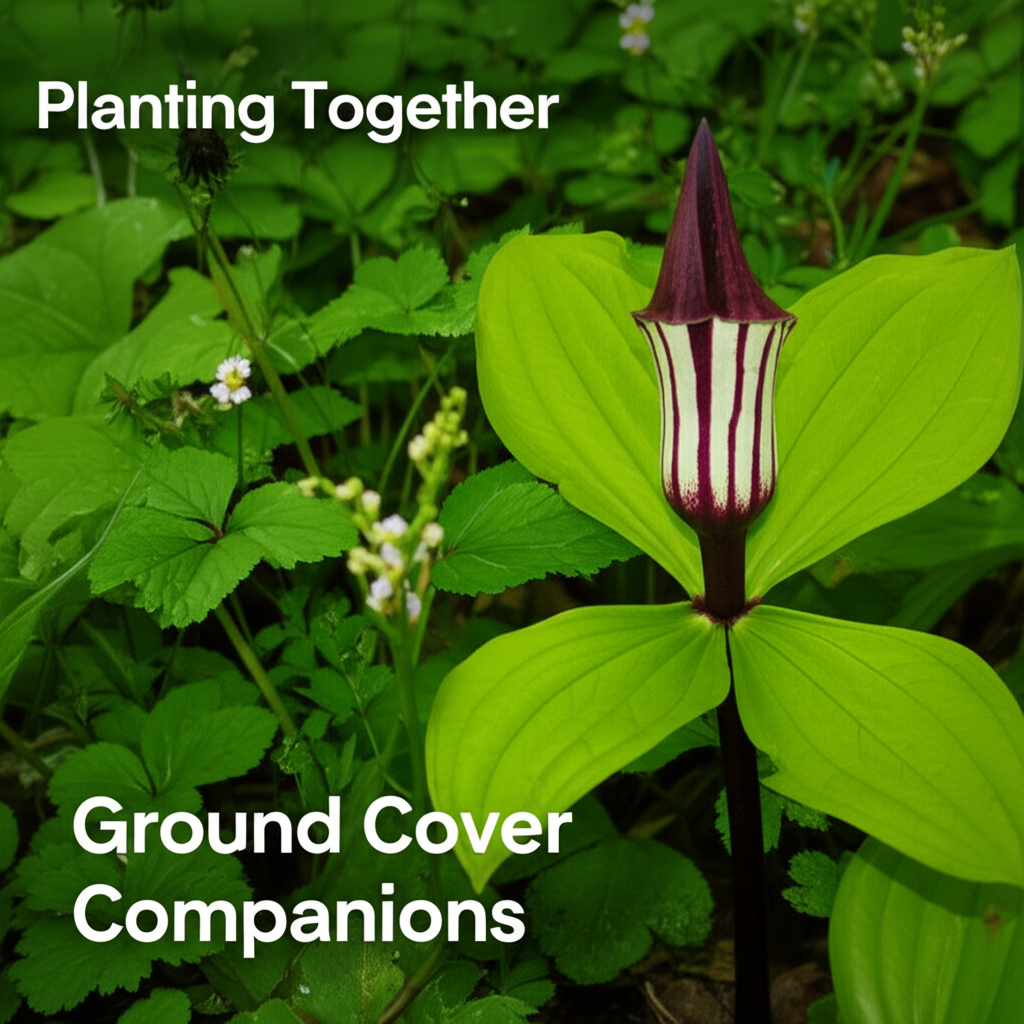
The Jack-in-the-Pulpit (Arisaema triphyllum) is a captivating native wildflower that evokes the mystery and magic of North American woodlands. Its distinctive spathe, resembling a pulpit with a hooded lid, encloses a spadix, the “Jack.” This unique structure is not just aesthetically pleasing; it’s a marvel of plant adaptation, designed to attract pollinators and protect developing seeds. Thriving in moist, shady environments, often found in deciduous forests, swamps, and along stream banks, this perennial herb adds a touch of woodland charm to any garden. However, to truly flourish and create a self-sustaining mini-ecosystem, understanding its needs and integrating it with compatible companions is crucial. Companion planting, especially with ground covers, offers a synergistic approach to cultivating a healthy and vibrant Jack-in-the-Pulpit.
Why Companion Planting for Jack-in-the-Pulpit?
Companion planting is the practice of growing different plant species in close proximity to enhance their growth, deter pests, attract beneficial insects, and improve soil health. For the Jack-in-the-Pulpit, companion planting offers several key advantages:
- Moisture Retention: Ground covers help retain soil moisture, a critical factor for Jack-in-the-Pulpit, which prefers consistently damp conditions.
- Weed Suppression: A dense ground cover can outcompete invasive weeds, reducing competition for water, nutrients, and light.
- Soil Health Improvement: Decomposing ground cover foliage adds organic matter to the soil, enriching it and improving its structure.
- Pest and Disease Management: Certain companion plants can repel pests that might target Jack-in-the-Pulpit or attract beneficial insects that prey on those pests.
- Erosion Control: Ground covers form a protective layer over the soil, preventing erosion, especially on slopes or during heavy rainfall.
- Habitat Creation: A diverse planting scheme provides habitat and food sources for a wider range of beneficial wildlife, contributing to biodiversity.
Understanding Jack-in-the-Pulpit’s Ideal Habitat
Before selecting companion plants, it’s essential to understand the specific environmental needs of the Jack-in-the-Pulpit:
- Light: Dappled shade to full shade is ideal. It thrives under the canopy of deciduous trees, mimicking its natural woodland habitat. Direct, harsh sunlight can scorch its leaves.
- Soil: Rich, moist, well-draining soil is paramount. It prefers soils high in organic matter, such as loamy or humus-rich soil. It can tolerate slightly acidic to neutral pH.
- Moisture: Consistent moisture is key. While it doesn’t like to sit in waterlogged conditions, it needs soil that doesn’t dry out completely, especially during its growing season.
- Temperature: As a woodland native, it prefers temperate climates and requires a period of dormancy in winter.
Key Facts and Companion Plant Comparison
Choosing the right companion plants is crucial for creating a harmonious environment for your Jack-in-the-Pulpit. The ideal companions will share similar habitat requirements and offer complementary benefits.
| Feature | Jack-in-the-Pulpit (Arisaema triphyllum) | Ferns (e.g., Lady Fern, Ostrich Fern) | Wild Ginger (Asarum canadense) | Foamflower (Tiarella cordifolia) | Woodland Phlox (Phlox divaricata) |
|---|---|---|---|---|---|
| Light Preference | Shade to Dappled Shade | Shade to Dappled Shade | Shade to Dappled Shade | Shade to Dappled Shade | Partial Shade to Dappled Shade |
| Soil Moisture | Moist, Well-draining | Moist, Well-draining | Moist, Well-draining | Moist, Well-draining | Moist, Well-draining |
| Soil Type | Rich, Organic | Rich, Organic | Rich, Organic | Rich, Organic | Rich, Organic |
| Growth Habit | Upright Flowering Stalk with Leaves | Spreading Fronds | Low-growing, Dense Mat | Low-growing, Spreading Perennial | Mounding Perennial with Delicate Flowers |
| Bloom Time | Late Spring to Early Summer | Summer (Foliage is primary interest) | Early Spring (Small, inconspicuous flowers) | Spring | Spring |
| Key Benefits as Companion | N/A | Moisture retention, soil stabilization, habitat | Excellent ground cover, weed suppression, soil enrichment | Ground cover, attracts pollinators, aesthetic appeal | Attracts pollinators, visual interest, complements bloom times |
| Potential Considerations | Can be slow to establish | Can spread aggressively if given ideal conditions | Spreads readily, can form dense colonies | Can spread quickly, may require occasional division | May require some deadheading for rebloom |
Excellent Ground Cover Companions for Jack-in-the-Pulpit
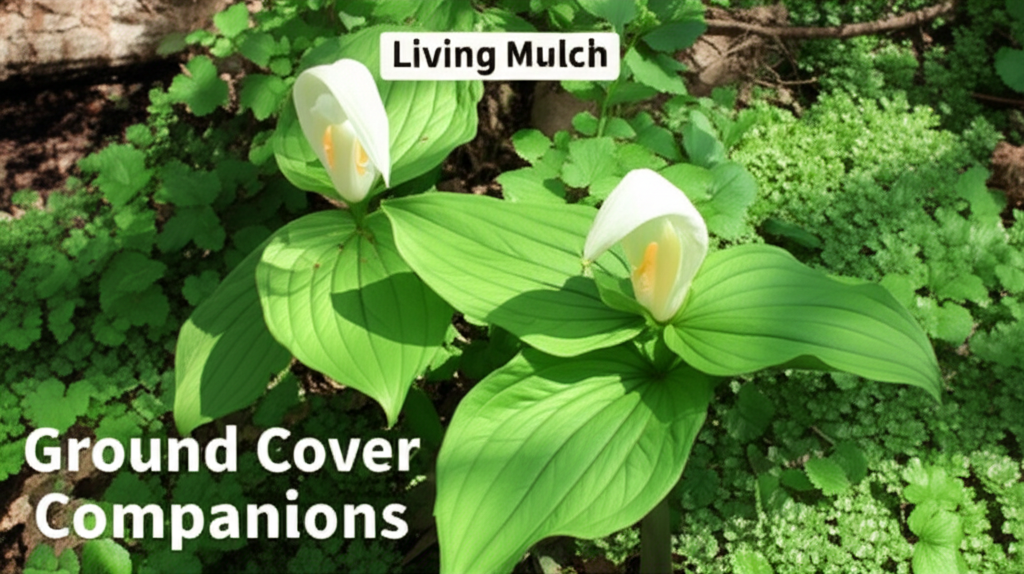
Ground covers are essential for maintaining the ideal microclimate that Jack-in-the-Pulpit thrives in. They act as a living mulch, suppressing weeds, conserving moisture, and enriching the soil as they decompose. Here are some of the best ground cover companions:
1. Ferns
Ferns are quintessential woodland plants and share many of the same habitat preferences as Jack-in-the-Pulpit. Their lush foliage not only adds texture and visual appeal but also provides excellent shade and helps keep the soil cool and moist.
- Lady Fern (Athyrium filix-femina): Delicate, lacy fronds that grow in upright clumps. It’s adaptable and tolerates a range of shade conditions.
- Ostrich Fern (Matteuccia struthiopteris): Larger, dramatic fronds that create a lush, tropical feel. It prefers consistently moist soil and can spread to form colonies.
- Christmas Fern (Polystichum acrostichoides): Evergreen, leathery fronds that provide year-round interest. It is more tolerant of drier conditions than some other ferns.
Planting ferns around Jack-in-the-Pulpit helps create a dense understory that mimics a natural woodland setting, providing consistent shade and moisture retention.
2. Wild Ginger (Asarum canadense)
This low-growing native perennial is an exceptional ground cover for shady, moist woodland gardens. Its heart-shaped leaves form a dense mat that effectively suppresses weeds and retains moisture. Wild ginger’s slow, creeping rhizomes spread to create a beautiful, uniform carpet.
While its small, brownish-purple flowers appear in early spring, they are often hidden beneath the leaves and are more interesting for their unique shape than their visual impact. The primary benefit of wild ginger as a companion is its aggressive ground-covering habit and its ability to thrive in the same conditions as Jack-in-the-Pulpit, creating a unified, naturalistic planting.
3. Foamflower (Tiarella cordifolia)
Foamflower is another beautiful native ground cover that excels in shady, moist environments. Its attractive, lobed leaves often have distinctive markings, and in spring, it produces delicate, frothy spikes of white flowers that add a touch of ethereal beauty.
Foamflower spreads by runners, forming a lovely, loose ground cover. It is a magnet for pollinators and its foliage adds a finer texture that complements the bolder leaves and flowers of the Jack-in-the-Pulpit. Its bloom time often coincides with or slightly precedes the Jack-in-the-Pulpit’s flowering, extending the visual interest of the woodland garden.
4. Woodland Phlox (Phlox divaricata)
While not strictly a ground cover in the dense mat-forming sense, Woodland Phlox forms attractive, mounding clumps and can effectively fill in spaces between other plants in a woodland setting. Its soft blue to lavender flowers in spring are a welcome sight and attract bees and butterflies.
Woodland Phlox prefers partial shade to dappled shade and moist, well-draining soil, making it an ideal neighbor for Jack-in-the-Pulpit. Its delicate blooms provide a contrast in form and color to the more architectural structure of the Jack-in-the-Pulpit.
Other Beneficial Companions
Beyond ground covers, several other plants can enhance the health and beauty of a Jack-in-the-Pulpit planting.
1. Hostas
Hostas are a classic choice for shade gardens, and many varieties offer excellent ground cover benefits with their large, lush foliage. They thrive in similar conditions to Jack-in-the-Pulpit, helping to retain moisture and suppress weeds.
- Shade Tolerance: Most hostas prefer shade and can tolerate the dappled light or full shade that Jack-in-the-Pulpit requires.
- Moisture Needs: They appreciate consistently moist soil, which aligns perfectly with the needs of Arisaema.
- Variety: With hundreds of cultivars available, you can choose hostas with different leaf colors, textures, and sizes to complement your Jack-in-the-Pulpit.
Planting smaller hosta varieties around the base of the Jack-in-the-Pulpit can create a beautiful layered effect.
2. Sedges (Carex species)
Many native sedges are well-suited for moist, shady woodland conditions. They are grass-like perennials that provide excellent texture and help stabilize the soil.
- Sedge (Carex pensylvanica): A fine-textured, low-growing sedge that forms a soft carpet and tolerates drier shade once established.
- Blue Wood Sedge (Carex flaccosperma): Offers a bluish-green hue and prefers moist, shady locations.
Sedges are hardy, low-maintenance plants that contribute to a naturalistic woodland feel and help maintain soil moisture.
3. Woodland Flowers with Similar Needs
Consider other native wildflowers that share the Jack-in-the-Pulpit’s preference for moist, shady conditions and rich soil. These can add seasonal interest and further enhance biodiversity.
- Solomon’s Seal (Polygonatum species): Arching stems with pendant white flowers, followed by berries.
- Columbine (Aquilegia canadensis): Delicate red and yellow flowers that attract hummingbirds.
- Trillium (Trillium species): Iconic woodland flowers with three leaves and a single bloom. (Note: Trilliums can be slow to establish and are best left undisturbed.)
Planting Strategies and Tips
Successful companion planting involves thoughtful placement and consideration of each plant’s growth habits.
1. Site Selection
Choose a location that receives dappled shade or is under the canopy of deciduous trees. Ensure the soil is rich in organic matter and has good drainage, yet retains moisture. Avoid areas prone to waterlogging or excessive dryness.
2. Planting Arrangement
- Base Planting: Plant ground covers around the base of the Jack-in-the-Pulpit. This provides immediate benefits for moisture retention and weed suppression.
- Layering: Create layers of foliage by planting taller companions like ferns or hostas slightly behind or to the sides of the Jack-in-the-Pulpit.
- Spacing: Allow adequate space for each plant to reach its mature size, preventing overcrowding. This is especially important for plants that spread, like wild ginger or some ferns.
- Mimic Nature: Aim for a naturalistic, slightly irregular planting style that mimics a woodland environment. Avoid rigid rows or patterns.
3. Soil Preparation
Amend the soil generously with compost or other organic matter before planting. This will provide the rich, humusy soil that Jack-in-the-Pulpit and its companions require for optimal growth and moisture retention.
4. Watering and Mulching
Water new plantings thoroughly and consistently, especially during the first growing season, to help them establish. Once established, the ground cover will help maintain soil moisture, but occasional watering may still be necessary during prolonged dry spells.
While ground covers act as a natural mulch, a light top-dressing of shredded bark or leaf mold can further enhance moisture retention and soil health.
The Symbiotic Relationship: Benefits and Considerations
The practice of companion planting with ground covers for Jack-in-the-Pulpit creates a beneficial cycle. The ground cover protects the Jack-in-the-Pulpit’s roots from temperature fluctuations and desiccation, while the Jack-in-the-Pulpit’s upright structure can provide some shade for shade-tolerant ground covers planted nearby.
| Practice | Pros | Cons |
|---|---|---|
| Companion Planting with Ground Covers | Pros:
|
Cons:
|
| Specifics for Jack-in-the-Pulpit: The goal is to create a humid, shaded understory that mimics its native woodland habitat. Ground covers are paramount in achieving this, acting as a living mulch that conserves water and prevents weeds, allowing the Jack-in-the-Pulpit to thrive without competing for resources. | ||
Conclusion
Cultivating Jack-in-the-Pulpit is a rewarding endeavor, and companion planting with well-chosen ground covers elevates this experience to creating a miniature, self-sustaining woodland ecosystem. By understanding the specific needs of this iconic native plant and selecting companions that share its preference for moist, shady environments, you can foster a garden that is not only beautiful but also resilient and ecologically sound. Ferns, wild ginger, foamflower, and other shade-loving ground covers will create a protective, nutrient-rich environment, allowing your Jack-in-the-Pulpit to flourish and return year after year, a testament to the power of harmonious planting.