Introduction: Bringing the Desert to Your Balcony with Ice Plants
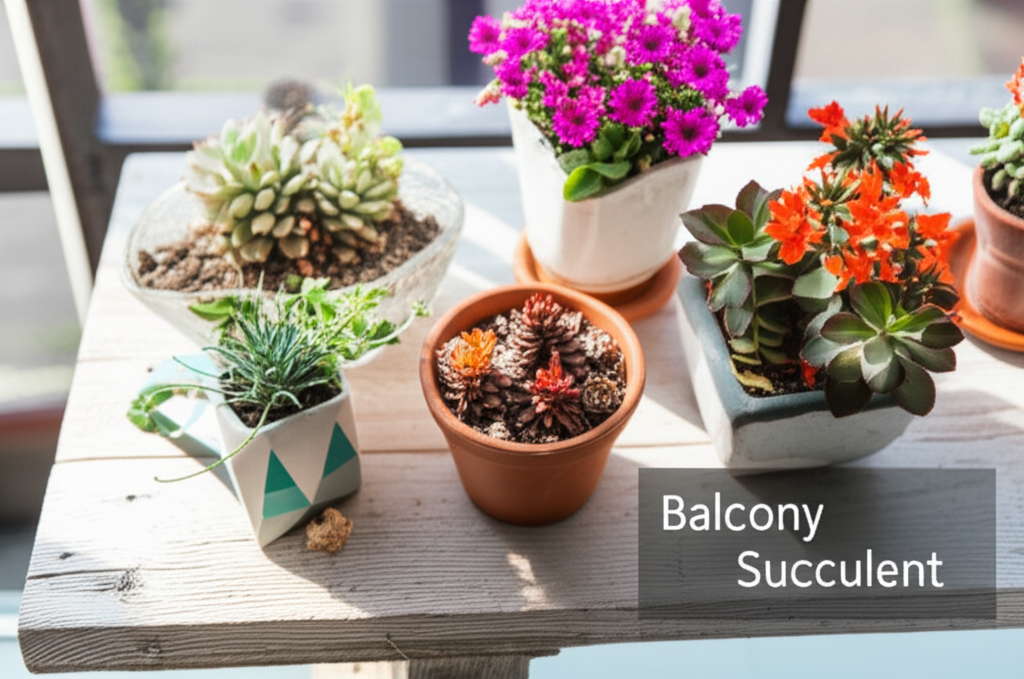
Balconies, often overlooked spaces, possess immense potential to become vibrant extensions of our living areas. For urban dwellers and those with limited yard space, a balcony garden offers a sanctuary of greenery and color. Among the myriad of plants that can thrive in containers, succulents, particularly the captivating “ice plant” (often referring to members of the Mesembryanthemaceae family, known for their glistening, crystalline papillae), stand out as exceptional choices. Their drought tolerance, unique aesthetic appeal, and diverse forms make them perfect for creative tabletop garden designs. This article will delve into the fascinating world of ice plants and explore innovative ways to craft stunning, low-maintenance tabletop succulent gardens for your balcony.
Understanding the Allure of Ice Plants
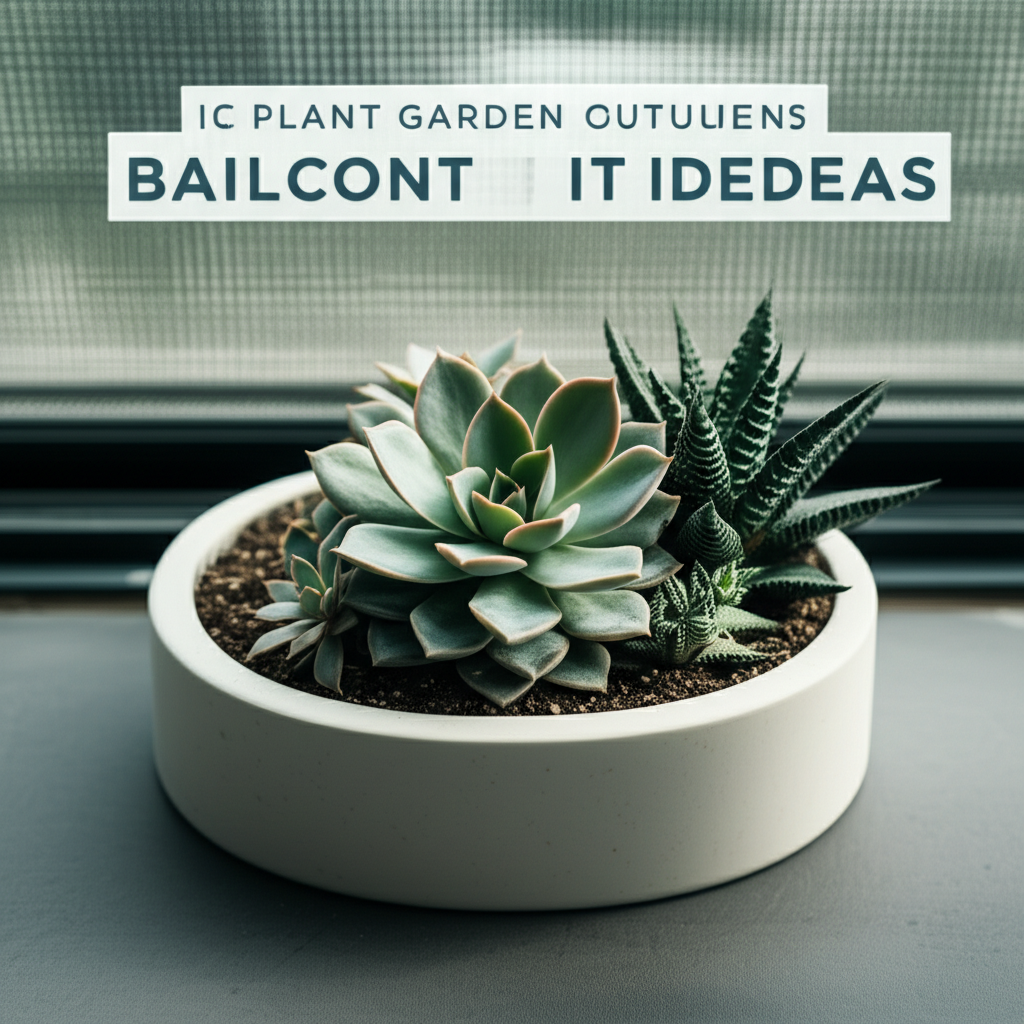
Before diving into design ideas, it’s crucial to understand what makes ice plants such desirable additions to any garden, especially a compact balcony setting.
What are Ice Plants?
The term “ice plant” is a common name for a diverse group of succulent plants belonging primarily to the Mesembryanthemaceae family. What unites many of these species is their unique surface – covered in specialized cells called papillae or tubercles. These papillae can appear glassy, translucent, or water-filled, giving the plant a glistening, “ice-covered” appearance, especially in sunlight. This adaptation helps them reflect excess sunlight, reducing water loss and protecting them from harsh conditions.
Key Characteristics for Balcony Gardens
- Drought Tolerance: This is perhaps their most significant advantage for busy individuals or those prone to forgetting to water. Ice plants store water in their leaves, stems, and roots, allowing them to endure periods of dryness.
- Sunlight Requirements: Most ice plants thrive in full sun, making them ideal for sunny balconies. However, some varieties may appreciate a little afternoon shade in extremely hot climates.
- Low Maintenance: Beyond watering (infrequently!), ice plants require minimal care. They are generally resistant to pests and diseases and don’t need frequent pruning.
- Diverse Forms and Textures: From trailing varieties that cascade over containers to compact, mat-forming types, ice plants offer a rich tapestry of shapes, sizes, and textures. Some even produce spectacular, daisy-like flowers in a riot of colors, often blooming for extended periods.
- Salt Tolerance: Many ice plants are naturally found in coastal environments, meaning they often exhibit a degree of salt tolerance. This can be beneficial for balconies exposed to sea spray or for gardeners who use certain types of fertilizers.
Key Facts about Ice Plants
| Feature | Description |
| :—————- | :——————————————————————————- |
| Family | Mesembryanthemaceae (and related families) |
| Common Names | Ice Plant, Dew Plant, Pigface, Sour Fig |
| Key Feature | Papillae/Tubercles that give a glistening or crystalline appearance. |
| Water Needs | Very low; drought tolerant. Allow soil to dry out completely between waterings. |
| Sun Exposure | Full sun to partial shade. |
| Soil Type | Well-draining, gritty mix (e.g., cactus/succulent mix). |
| Hardiness Zone| Varies by species, many are hardy in zones 9-11. Container growing extends this. |
| Blooming | Many varieties produce vibrant, daisy-like flowers. |
| Propagation | Easily grown from cuttings or seeds. |
Creative Tabletop Garden Design Principles
A tabletop garden transforms a simple surface into a miniature landscape. When designing with ice plants, consider these principles:
1. Theme and Color Palette
Just as you would choose a theme for any decorative arrangement, selecting a theme for your succulent garden can add cohesion and visual interest.
- Desert Oasis: Combine various ice plant species with rocks, pebbles, and sand for an arid, minimalist look.
- Coastal Charm: Incorporate shells, driftwood, and sandy soil to evoke a seaside feel.
- Jewel Box: Focus on ice plants with vibrant flower colors or striking leaf hues, arranging them in a jewel-like display.
- Monochromatic Marvel: Select ice plants with similar color tones (e.g., shades of green, blue-gray, or pink) for a sophisticated, understated elegance.
2. Container Selection
The container is as much a part of the design as the plants themselves.
- Material: Terracotta, ceramic, concrete, and weathered wood all work beautifully. Ensure good drainage holes.
- Size and Shape: Consider shallow bowls, wide planters, geometric containers, or even repurposed items like vintage teacups or rustic troughs. The scale of the container should complement the size of your tabletop.
- Drainage: This is non-negotiable for succulents. If a container lacks drainage, you’ll need to add a layer of gravel at the bottom and be extremely cautious with watering, or drill holes yourself.
3. Texture and Form Contrast
The interplay of different textures and forms is key to creating a dynamic and visually engaging arrangement.
- Foliage Texture: Mix ice plants with smooth, plump leaves with those that have a more granular or segmented texture.
- Growth Habit: Combine upright, mounding, and trailing varieties. Let some cascade over the edge of the container for a softer, more organic look.
- Height Variation: Use taller, more structural succulents as focal points, surrounded by lower-growing or trailing types.
4. Adding Decorative Elements
Beyond the plants themselves, decorative elements can elevate your tabletop garden.
- Gravel and Top Dressing: Use various types of gravel, pebbles, decorative sand, or even crushed rock as a top dressing. This not only looks attractive but also helps retain moisture in the soil and prevents fungal growth.
- Stones and Rocks: Incorporate interesting rocks, pebbles, or even larger statement stones to mimic natural landscapes.
- Moss: Dried moss can add a touch of softness and color, but use sparingly, as it can retain too much moisture for some succulents.
- Miniature Features: Small figurines, driftwood accents, or even tiny fairy garden elements can add a playful or whimsical touch.
Inspiration for Creative Ice Plant Tabletop Gardens
Let’s explore some specific, actionable ideas for your balcony tabletop garden:
1. The Cascading Delight: Trailing Ice Plants
Many ice plants, such as Delosperma cooperi (Cooper’s Ice Plant) or Delosperma echinatum (Pickle Plant), have a naturally trailing habit.
- Container Choice: Opt for a wide, shallow bowl or a trough-style planter.
- Planting Arrangement: Plant a focal point succulent (perhaps a small upright variety) in the center and surround it with trailing ice plants, allowing their stems to spill gracefully over the edges.
- Top Dressing: Use fine gravel or sand to highlight the cascading stems.
- Color Accents: If the trailing ice plant has vibrant flowers, consider using complementary colored stones or gravel.
2. The Mini Desertscape: Rock Garden Arrangement
Mimic a miniature desert landscape by focusing on textural contrast and naturalistic arrangement.
- Container Choice: A low, wide concrete planter or a rustic terracotta pot.
- Soil Mix: Use a coarse, well-draining succulent mix.
- Plant Selection: Choose a few distinct ice plant varieties with different leaf shapes and textures, such as Lithops (Living Stones) – though not strictly ice plants, they share similar care and aesthetics – and perhaps a Conophytum species.
- Decorative Elements: Bury a few larger, interesting rocks partially in the soil. Fill the spaces between plants with various sizes of smooth river pebbles or coarse sand. Ensure there are no visible soil surfaces.
3. The Jewel Box Display: Mixed Ice Plants and Accents
This approach focuses on creating a visually rich and colorful display.
- Container Choice: A decorative ceramic bowl or a vintage planter.
- Plant Selection: Combine ice plants with striking foliage colors, such as those with pink or purple hues (Delosperma ‘Fire Spinner’), with silvery-blue leaves. Include a variety with abundant flowers if possible.
- Color Coordination: Arrange plants based on a complementary or analogous color scheme.
- Accents: Add polished stones, glass pebbles in complementary colors, or small, shimmering decorative elements.
4. The Geometric Harmony: Succulents in Modern Containers
For a contemporary feel, pair ice plants with modern geometric planters.
- Container Choice: Hexagonal, cube, or pyramid-shaped planters in concrete, matte ceramic, or metal.
- Planting: Keep the arrangement clean and orderly. You might plant single, striking ice plant specimens in individual containers placed together on a tray, or create a tight, geometric planting within a single larger container.
- Texture Focus: Choose ice plants with very distinct, sculptural forms.
- Minimalist Top Dressing: Use a single color of fine gravel or sand for a clean finish.
5. The Textured Tapestry: Mat-forming and Upright Combinations
Create a lush, layered look by combining different growth habits.
- Container Choice: A wide, shallow planter or a repurposed wooden box.
- Planting: Place a taller, more upright ice plant in the center or towards the back. Surround it with mat-forming varieties that will spread outwards and fill the space.
- Top Dressing: Use a mix of fine and coarse gravel to add further textural interest.
- Color Variation: Introduce subtle color shifts in the foliage for depth.
Steps to Create Your Tabletop Garden
Here’s a step-by-step guide to bringing your creative vision to life:
| Step | Description |
| :— | :————————————————————————————————————————————————————————– |
| 1 | Select Your Container: Choose a container with adequate drainage holes and a size appropriate for your tabletop space and desired plant density. |
| 2 | Prepare the Soil: Use a specialized cactus and succulent potting mix. You can enhance drainage by adding perlite or coarse sand (e.g., 2 parts potting mix, 1 part perlite). |
| 3 | Arrange Plants (Before Planting): Place your selected ice plants and decorative elements on the tabletop or a flat surface next to the container. Experiment with arrangements until you achieve a pleasing composition. |
| 4 | Plant Your Succulents: Gently remove plants from their nursery pots. If the roots are tightly bound, loosen them slightly. Plant them in the container at the same depth they were in their original pots. |
| 5 | Add Top Dressing: Cover the exposed soil surface with your chosen gravel, pebbles, or sand. This adds a finished look, conserves moisture, and helps stabilize the plants. |
| 6 | Initial Watering (Optional): Some prefer to wait a day or two before watering after repotting to allow any damaged roots to heal. When watering, do so thoroughly until water drains from the bottom. |
| 7 | Placement and Ongoing Care: Place your finished tabletop garden in a location that receives adequate sunlight for your chosen ice plants. Water sparingly, allowing the soil to dry out completely between waterings. |
Pros and Cons of Tabletop Ice Plant Gardens
| Pros | Cons |
| :—————————————— | :———————————————————– |
| Aesthetic Appeal: Creates a focal point. | Limited Plant Variety: May not accommodate very large plants. |
| Space Saving: Ideal for balconies. | Watering Caution: Overwatering is a common mistake. |
| Low Maintenance: Drought tolerant. | Sunlight Dependence: Requires sufficient sunlight. |
| Creative Expression: Highly customizable. | Potential for Pests: While rare, mealybugs can be an issue. |
| Educational: Learning about plant needs. | Weight: Large containers can be heavy. |
Caring for Your Ice Plant Tabletop Garden
Maintaining the beauty of your ice plant tabletop garden is straightforward:
Watering
- The Golden Rule: Let the soil dry out completely between waterings.
- How to Check: Insert your finger about an inch or two into the soil. If it feels dry, it’s time to water. Alternatively, lift the pot; a lighter pot indicates dry soil.
- Watering Technique: Water thoroughly until water drains from the bottom. Avoid letting the pot sit in a saucer of water.
- Frequency: This can vary greatly depending on your climate, the size of the container, and the specific ice plant species. It might be weekly in hot, dry weather and monthly or even less in cooler, humid conditions.
Light
- Most ice plants thrive in full sun.
- On a balcony, this generally means at least 6-8 hours of direct sunlight per day.
- If your balcony is partially shaded, choose ice plant varieties that tolerate partial shade, or be prepared to move the container to a sunnier spot periodically.
Soil and Drainage
- Always use a well-draining potting mix. A standard cactus or succulent mix is ideal.
- Ensure your container has drainage holes. This is paramount to prevent root rot.
Fertilizing
- Ice plants are not heavy feeders.
- You can fertilize them once or twice during the growing season (spring and summer) with a diluted, balanced liquid fertilizer or a specialized succulent fertilizer.
Pest and Disease Management
- Ice plants are generally resistant.
- The most common issue is overwatering, which can lead to root rot.
- Occasionally, you might encounter mealybugs, which appear as white, cottony masses on the plants. These can be treated by dabbing them with a cotton swab dipped in rubbing alcohol or by using an insecticidal soap.
Conclusion: A Blooming Balcony Awaits
Tabletop gardens offer a unique opportunity to bring intricate beauty and vibrant life to even the smallest balcony spaces. With their captivating crystalline textures, stunning floral displays, and remarkable resilience, ice plants are perfectly suited for this purpose. By understanding their needs and applying creative design principles – from selecting the right container and curating a color palette to mastering the art of textural contrast – you can transform a simple tabletop into a miniature masterpiece. Embrace the low-maintenance charm of ice plants and cultivate a unique, blooming oasis that brings joy and a touch of the desert’s enduring beauty to your urban sanctuary. Your balcony awaits its transformation into a celebrated tabletop garden.
html
<h2>Key Facts/Comparison: Ice Plant Succulent Balcony Gardens</h2>
<table>
  <thead>
    <tr>
      <th>Feature</th>
      <th>Common Ice Plant (Delosperma)</th>
      <th>Hardy Ice Plant (Delosperma)</th>
      <th>Cactus Ice Plant (Mesembryanthemum crystallinum)</th>
    </tr>
  </thead>
  <tbody>
    <tr>
      <td>Water Needs</td>
      <td>Low to very low (drought tolerant)</td>
      <td>Low to very low (drought tolerant)</td>
      <td>Low to very low (drought tolerant)</td>
    </tr>
    <tr>
      <td>Sunlight Needs</td>
      <td>Full sun (6+ hours)</td>
      <td>Full sun (6+ hours)</td>
      <td>Full sun to partial shade</td>
    </tr>
    <tr>
      <td>Hardiness Zones</td>
      <td>Generally 8-10 (some varieties hardier)</td>
      <td>Generally 5-9 (very hardy)</td>
      <td>Tender, typically grown as an annual or indoors</td>
    </tr>
    <tr>
      <td>Bloom Time</td>
      <td>Late spring to fall</td>
      <td>Late spring to fall</td>
      <td>Summer</td>
    </tr>
    <tr>
      <td>Growth Habit</td>
      <td>Spreading, mat-forming</td>
      <td>Spreading, mat-forming</td>
      <td>Low-growing, trailing</td>
    </tr>
    <tr>
      <td>Salt Tolerance</td>
      <td>Moderate to high</td>
      <td>Moderate to high</td>
      <td>Moderate</td>
    </tr>
    <tr>
      <td>Soil Preference</td>
      <td>Well-draining, sandy, gritty</td>
      <td>Well-draining, sandy, gritty</td>
      <td>Well-draining, sandy, gritty</td>
    </tr>
  </tbody>
</table>

<h2>Steps/Pros-Cons: Ice Plant Succulent Balcony Creative Tabletop Garden Ideas</h2>
<table>
  <thead>
    <tr>
      <th>Category</th>
      <th>Details</th>
    </tr>
  </thead>
  <tbody>
    <tr>
      <td rowspan="3"><strong>Steps for Creation</strong></td>
      <td><strong>1. Choose a Container:</strong> Select a shallow, wide pot or planter with excellent drainage holes. Terracotta, concrete, or ceramic with drainage are ideal.</td>
    </tr>
    <tr>
      <td><strong>2. Prepare the Soil:</strong> Use a well-draining succulent or cactus mix. You can amend with perlite or pumice for enhanced drainage.</td>
    </tr>
    <tr>
      <td><strong>3. Planting:</strong> Gently remove ice plants from their nursery pots. Arrange them in the container, considering their spreading habit. Ensure roots are covered with soil. Water lightly after planting.</td>
    </tr>
    <tr>
      <td rowspan="3"><strong>Pros</strong></td>
      <td><strong>Drought Tolerance:</strong> Requires minimal watering, perfect for busy individuals or those who tend to forget.</td>
    </tr>
    <tr>
      <td><strong>Low Maintenance:</strong> Generally pest and disease resistant, needing little intervention once established.</td>
    </tr>
    <tr>
      <td><strong>Aesthetic Appeal:</strong> Vibrant, often star-shaped flowers and succulent foliage add a unique, colorful, and textural element to tabletops.</td>
    </tr>
    <tr>
      <td rowspan="3"><strong>Cons</strong></td>
      <td><strong>Overwatering Risk:</strong> The most common pitfall; excess water can lead to root rot.</td>
    </tr>
    <tr>
      <td><strong>Limited Cold Hardiness (for some varieties):</strong> Many common ice plants are not frost-tolerant and may need to be brought indoors in cooler climates.</td>
    </tr>
    <tr>
      <td><strong>Potential for Over-Spreading:</strong> In containers, their spreading nature can quickly fill the pot, requiring occasional division or repotting.</td>
    </tr>
  </tbody>
</table>