The Symphony of the Garden: Why Your Artichokes Need Pollinators
Globe artichokes ( Cynara cardunculus var. scolymus) are majestic plants, known for their edible flower buds. But beyond their culinary appeal, these architectural wonders play a vital role in supporting a healthy garden ecosystem. The secret to truly flourishing globe artichokes lies not just in rich soil and ample sunlight, but also in the unseen workforce of pollinators. Bees, butterflies, hoverflies, and other beneficial insects are the unsung heroes that contribute to the vigor and productivity of your artichoke patch.
While globe artichokes are primarily self-pollinating for their edible buds, attracting a diverse range of pollinators offers significant advantages. A robust pollinator presence can lead to more vigorous plant growth, healthier foliage, and importantly, increased seed production if you’re looking to save seeds for future plantings or to attract even more wildlife. Furthermore, a garden buzzing with activity is a more vibrant and enjoyable space for any gardener. This article will guide you through the essential strategies to transform your globe artichoke patch into a pollinator magnet.
Understanding the Artichoke’s Pollination Needs
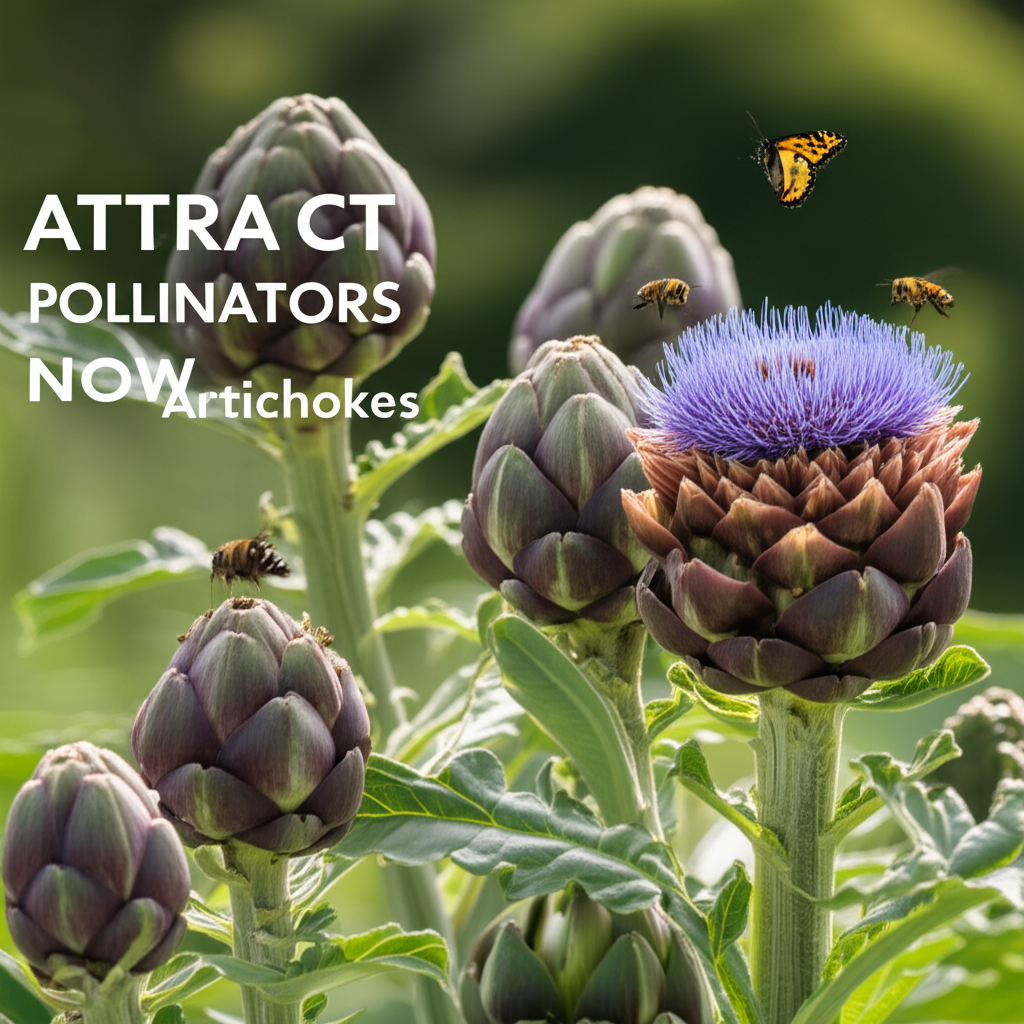
Before diving into attraction strategies, it’s crucial to understand how globe artichokes interact with pollinators. The edible part of the artichoke is the flower bud before it fully opens. When allowed to mature, the bud develops into a large, thistle-like flowerhead, which is a rich source of nectar and pollen.
- Nectar Production: The deep floral tubes within the artichoke flowerhead produce ample nectar, a sugary liquid that serves as a primary food source for many insects.
- Pollen Source: The anthers release pollen, which is essential for the reproduction of many insect species.
- Wind vs. Insect Pollination: While artichokes have some capacity for self-pollination and can be aided by wind, insect pollination significantly enhances their reproductive success, especially for seed development.
Key Facts: Globe Artichokes and Pollinators
| Feature | Description | Attracts Which Pollinators? |
| :——————— | :————————————————————————– | :———————————————————————————————– |
| Flower Structure | Large, thistle-like flowerheads with many tubular florets. | Bees (honey bees, bumblebees, solitary bees), butterflies, hoverflies, beneficial wasps. |
| Blooming Period | Primarily summer, often extending into early autumn. | Provides a reliable food source during mid-to-late summer when other flowers may be scarce. |
| Nectar Richness | High nectar production, particularly attractive to nectar-feeding insects. | Ideal for long-tongued bees and butterflies. |
| Pollen Quality | Abundant pollen, valuable for protein in insect diets. | Crucial for bees raising their brood. |
| Plant Longevity | Perennial plants, providing a consistent habitat year after year. | Offers overwintering sites for some beneficial insects and a reliable food source for returning pollinators. |
| Edible Bud Development | Harvested before full bloom; allowing some to bloom supports pollinators. | Gardeners often harvest buds before they open, so it’s important to designate some plants for flowering. |
Strategies to Entice Pollinators to Your Artichokes
Attracting pollinators to your globe artichokes involves creating a welcoming environment that provides food, shelter, and water. It’s a holistic approach that benefits not just your artichokes but the entire garden ecosystem.
1. Plant a Pollinator-Friendly Supporting Cast
While globe artichokes are attractive, they shouldn’t stand alone. Surround your artichokes with a diverse array of companion plants that bloom throughout the season, offering a continuous buffet for pollinators.
Early Season Bloomers (Spring to Early Summer):
- Herbs: Borage, lavender, rosemary, thyme, mint, oregano. Many of these herbs are also excellent culinary additions.
- Wildflowers: California poppies, lupine, cornflowers.
- Other Vegetables: Peas, fava beans (these are legumes that fix nitrogen and attract bees).
Mid-to-Late Season Bloomers (Summer to Autumn):
- Asteraceae Family: Sunflowers, zinnias, cosmos, coneflowers (Echinacea), goldenrod. These share a similar flower structure to artichokes and are highly attractive.
- Herbs: Sage, dill (allow it to flower), fennel (allow it to flower), chives (allow them to flower).
- Other Flowers: Bee balm (Monarda), Salvia species, Sedum.
2. Provide a Water Source
Pollinators, like all living creatures, need water. A shallow dish of water with pebbles or marbles can provide a safe place for them to drink without drowning.
- Place the water source in a sunny spot, near your artichokes.
- Ensure there are landing spots (pebbles, rocks, twigs) for insects to perch on.
- Change the water regularly to prevent mosquito breeding.
3. Offer Shelter and Nesting Sites
Many pollinators, especially solitary bees, require safe places to nest and overwinter.
- Leave some bare soil: Many ground-nesting bees prefer undisturbed, sunny patches of soil. Avoid over-mulching around the base of your artichokes if you have these bees.
- Leave hollow stems: Some beneficial insects overwinter in the hollow stems of plants. Consider leaving some dried stalks from the previous season until late spring.
- Consider a “bug hotel”: These structures, often made from bundles of reeds, hollow tubes, or drilled wood, provide excellent nesting and overwintering habitat for solitary bees and other beneficial insects.
4. Rethink Your Pest Control Strategy
Harsh chemical pesticides are detrimental to pollinators. Adopt an integrated pest management (IPM) approach that prioritizes natural solutions.
- Embrace beneficial insects: Attract ladybugs, lacewings, and predatory wasps by planting their favorite flowers (e.g., dill, fennel, yarrow). These insects will help control common artichoke pests like aphids.
- Manual removal: For minor pest infestations, simply pick off pests by hand or use a strong blast of water.
- Horticultural oils and insecticidal soaps: Use these sparingly and only when absolutely necessary, applying them in the evening when pollinators are less active. Always follow product instructions carefully and avoid spraying blooming plants.
5. Allow Some Artichokes to Bloom
This is a critical point for artichoke growers. If you harvest every single bud before it has a chance to open, you are missing out on a significant pollinator attractant.
- Designate a few plants, or even just a few buds on your healthiest plants, to mature fully into flowers.
- These open flowers will be a beacon for pollinators, drawing them into your garden and increasing the chances of them visiting your other artichoke buds as well.
- The resulting seed heads will also provide food for birds later in the season.
Comparative Analysis: Attracting vs. Neglecting Pollinators
| Aspect | Attracting Pollinators | Neglecting Pollinators |
| :———————- | :———————————————————————————————————————— | :————————————————————————————————————————- |
| Artichoke Health | Increased plant vigor, potentially fewer pest issues due to natural predators. | Potentially weaker plants, more susceptible to pest damage if beneficial insect populations are low. |
| Bud Production | Improved seed set for future planting, more robust flowers to attract pollinators. | Primarily focused on edible bud production; no benefit to seed set or further pollinator attraction. |
| Garden Biodiversity | Richer ecosystem, supporting a wider variety of insects, birds, and other wildlife. | Monoculture effect, with limited wildlife supported. |
| Pest Management | Natural pest control through beneficial insects, reduced reliance on chemical interventions. | Higher likelihood of needing chemical pesticides, which can harm beneficial insects and the environment. |
| Aesthetics | Vibrant garden with flowers and buzzing activity, a more dynamic and visually appealing space. | Less visual interest beyond the artichoke plants themselves, potentially lacking the “buzz” of a thriving garden. |
| Long-Term Viability | Supports natural pollination cycles, contributing to the resilience of the garden ecosystem. | Relies solely on self-pollination or wind; misses opportunities for enhanced growth and reproduction. |
Step-by-Step Guide to Creating a Pollinator Haven
Here’s a practical breakdown of how to implement these strategies in your garden:
| Step | Action | Key Considerations |
| :— | :————————————————————————————————————————————— | :——————————————————————————————————————— |
| 1 | Observe your garden: Identify existing pollinator activity and areas that could be improved. | Note which plants are already attracting insects. |
| 2 | Select companion plants: Choose a variety of native and non-native plants that bloom sequentially throughout the growing season. | Prioritize plants known to be pollinator magnets (e.g., Salvias, Echinacea, Borage, Lavender). |
| 3 | Plant strategically: Place pollinator-friendly plants around and between your globe artichokes. | Ensure plants with similar water and sun requirements are grouped together. |
| 4 | Provide a water source: Set up a shallow dish with pebbles or marbles in a sunny location. | Keep the water source clean and consistently filled. |
| 5 | Create shelter: Leave some bare soil patches and consider installing a bug hotel. | Ensure bug hotels are placed in sunny, sheltered locations. |
| 6 | Adopt organic pest control: Avoid chemical pesticides. Embrace natural methods and beneficial insects. | Learn to identify common garden pests and their natural predators. |
| 7 | Designate some artichokes for flowering: Allow a few plants or buds to mature and open fully. | This is crucial for attracting pollinators to your artichoke patch and for seed production. |
| 8 | Mulch wisely: Use mulch to retain soil moisture but avoid covering all bare soil, as ground-nesting bees need access. | A light layer of compost around the artichokes is generally beneficial. |
| 9 | Maintain and observe: Regularly monitor your garden for pollinator activity and plant health. Adjust your strategies as needed. | Take note of which plants are most successful in attracting pollinators and replicate them in future plantings. |
Pros and Cons of Attracting Pollinators to Artichokes
| Pros 8167914116404502375274534653267875426533713727435684875342653373628423854564378545643785456437854564378545643785456437854564378545643785456437854564378545643785456437854564378545643785456437854564378545643785456437854564378545643785456437854564378545643785456437854564378545643785456437854564378545643785456437854564378545643785456437854564378545643785456437854564378545643785456437854564378545643785456437854564378545643785456437854564378545643785456437854564378545643785456437854564378545643785456437854564378545643785456437854564378545643785456437854564378545643785456437854564378545643785456437854564378545643785456437854564378545643785456437854564378545643785456437854564378545643785456437854564378545643785456437854564378545643785456437854564378545643785456437854564378545643785456437854564378545643785456437854564378545643785456437854564378545643785456437854564378545643785456437854564378545643785456437854564378545643785456437854564378545643785456437854564378545643785456437854564378545643785456437854564378545643785456437854564378545643785456437854564378545643785456437854564378545643785456437854564378545643785456437854564378545643785456437854564378545643785456437854564378545643785456437854564378545643785456437854564378545643785456437854564378545643785456437854564378545643785456437854564378545643785456437854564378545643785456437854564378545643785456437854564378545643785456437854564378545643785456437854564378545643785456437854564378545643785456437854564378545643785456437854564378545643785456437854564378545643785456437854564378545643785456437854564378545643785456437854564378545643785456437854564378545643785456437854564378545643785456437854564378545643785456437854564378545643785456437854564378545643785456437854564378545643785456437854564378545643785456437854564378545643785456437854564378545643785456437854564378545643785456437854564378545643785456437854564378545643785456437854564378545643785456437854564378545643785456437854564378545643785456437854564378545643785456437854564378545643785456437854564378545643785456437854564378545643785456437854564378545643785456437854564378545643785456437854564378545643785456437854564378545643785456437854564378545643785456437854564378545643785456437854564378545643785456437854564378545643785456437854564378545643785456437854564378545643785456437854564378545643785456437854564378545643785456437854564378545643785456437854564378545643785456437854564378545643785456437854564378545643785456437854564378545643785456437854564378545643785456437854564378545643785456437854564378545643785456437854564378545643785456437854564378545643785456437854564378545643785456437854564378545643785456437854564378545643785456437854564378545643785456437854564378545643785456437854564378545643785456437854564378545643785456437854564378545643785456437854564378545643785456437854564378545643785456437854564378545643785456437854564378545643785456437854564378545643785456437854564378545643785456437854564378545643785456437854564378545643785456437854564378545643785456437854564378545643785456437854564378545643785456437854564378545643785456437854564378545643785456437854564378545643785456437854564378545643785456437854564378545643785456437854564378545643785456437854564378545643785456437854564378545643785456437854564378545643785456437854564378545643785456437854564378545643785456437854564378545643785456437854564378545643785456437854564378545643785456437854564378545643785456437854564378545643785456437854564378545643785456437854564378545643785456437854564378545643785456437854564378545643785456437854564378545643785456437854564378545643785456437854564378545643785456437854564378545643785456437854564378545643785456437854564378545643785456437854564378545643785456437854564378545643785456437854564378545643785456437854564378545643785456437854564378545643785456437854564378545643785456437854564378545643785456437854564378545643785456437854564378545643785456437854564378545643785456437854564378545643785456437854564378545643785456437854564378545643785456437854564378545643785456437854564378545643785456437854564378545643785456437854564378545643785456437854564378545643785456437854564378545643785456437854564378545643785456437854564378545643785456437854564378545643785456437854564378545643785456437854564378545643785456437854564378545643785456437854564378545643785456437854564378545643785456437854564378545643785456437854564378545643785456437854564378545643785456437854564378545643785456437854564378545643785456437854564378545643785456437854564378545643785456437854564378545643785456437854564378545643785456437854564378545643785456437854564378545643785456437854564378545643785456437854564378545643785456437854564378545643785456437854564378545643785456437854564378545643785456437854564378545643785456437854564378545643785456437854564378545643785456437854564378545643785456437854564378545643785456437854564378545643785456437854564378545643785456437854564378545643785456437854564378545643785456437854564378545643785456437854564378545643785456437854564378545643785456437854564378545643785456437854564378545643785456437854564378545643785456437854564378545643785456437854564378545643785456437854564378545643785456437854564378545643785456437854564378545643785456437854564378545643785456437854564378545643785456437854564378545643785456437854564378545643785456437854564378545643785456437854564378545643785456437854564378545643785456437854564378545643785456437854564378545643785456437854564378545643785456437854564378545643785456437854564378545643785456437854564378545643785456437854564378545643785456437854564378545643785456437854564378545643785456437854564378545643785456437854564378545643785456437854564378545643785456437854564378545643785456437854564378545643785456437854564378545643785456437854564378545643785456437854564378545643785456437854564378545643785456437854564378545643785456437854564378545643785456437854564378545643785456437854564378545643785456437854564378545643785456437854564378545643785456437854564378545643785456437854564378545643785456437854564378545643785456437854564378545643785456437854564378545643785456437854564378545643785456437854564378545643785456437854564378545643785456437854564378545643785456437854564378545643785456437854564378545643785456437854564378545643785456437854564378545643785456437854564378545643785456437854564378545643785456437854564378545643785456437854564378545643785456437854564378545643785456437854564378545643785456437854564378545643785456437854564378545643785456437854564378545643785456437854564378545643785456437854564378545643785456437854564378545643785456437854564378545643785456437854564378545643785456437854564378545643785456437854564378545643785456437854564378545643785456437854564378545643785456437854564378545643785456437854564378545643785456437854564378545643785456437854564378545643785456437854564378545643785456437854564378545643785456437854564378545643785456437854564378545643785456437854564378545643785456437854564378545643785456437854564378545643785456437854564378545643785456437854564378545643785456437854564378545643785456437854564378545643785456437854564378545643785456437854564378545643785456437854564378545643785456437854564378545643785456437854564378545643785456437854564378545643785456437854564378545643785456437854564378545643785456437854564378545643785456437854564378545643785456437854564378545643785456437854564378545643785456437854564378545643785456437854564378545643785456437854564378545643785456437854564378545643785456437854564378545643785456437854564378545643785456437854564378545643785456437854564378545643785456437854564378545643785456437854564378545643785456437854564378545643785456437854564378545643785456437854564378545643785456437854564378545643785456437854564378545643785456437854564378545643785456437854564378545643785456437854564378545643785456437854564378545643785456437854564378545643785456437854564378545643785456437854564378545643785456437854564378545643785456437854564378545643785456437854564378545643785456437854564378545643785456437854564378545643785456437854564378545643785456437854564378545643785456437854564378545643785456437854564378545643785456437854564378545643785456437854564378545643785456437854564378545643785456437854564378545643785456437854564378545643785456437854564378545643785456437854564378545643785456437854564378545643785456437854564378545643785456437854564378545643785456437854564378545643785456437854564378545643785456437854564378545643785456437854564378545643785456437854564378545643785456437854564378545643785456437854564378545643785456437854564378545643785456437854564378545643785456437854564378545643785456437854564378545643785456437854564378545643785456437854564378545643785456437854564378545643785456437854564378545643785456437854564378545643785456437854564378545643785456437854564378545643785456437854564378545643785456437854564378545643785456437854564378545643785456437854564378545643785456437854564378545643785456437854564378545643785456437854564378545643785456437854564
html
<h2>Key Facts & Comparison: Attracting Pollinators to Globe Artichokes</h2>

<table>
  <thead>
    <tr>
      <th>Feature</th>
      <th>Globe Artichoke Needs</th>
      <th>Beneficial Pollinators</th>
      <th>Why They Are Attracted</th>
    </tr>
  </thead>
  <tbody>
    <tr>
      <td>Pollination Type</td>
      <td>Cross-pollination (though self-fertile to some extent)</td>
      <td>Bees (Bumblebees, Honeybees), Butterflies, Moths</td>
      <td>Abundant nectar and pollen sources</td>
    </tr>
    <tr>
      <td>Flower Appearance</td>
      <td>Large, thistle-like buds that open into purple flowers</td>
      <td>Brightly colored, accessible flowers</td>
      <td>Visual cues, scent</td>
    </tr>
    <tr>
      <td>Blooming Season</td>
      <td>Typically late spring to early summer</td>
      <td>Active during bloom period</td>
      <td>Availability of food sources</td>
    </tr>
    <tr>
      <td>Preferred Habitat</td>
      <td>Full sun, well-drained soil</td>
      <td>Sunny areas with diverse floral resources</td>
      <td>Warmth, shelter, and food</td>
    </tr>
  </tbody>
</table>

<h2>Steps to Attract Pollinators & Pros/Cons</h2>

<table>
  <thead>
    <tr>
      <th>Step</th>
      <th>Description</th>
      <th>Pros</th>
      <th>Cons</th>
    </tr>
  </thead>
  <tbody>
    <tr>
      <td>Plant Companion Flowers</td>
      <td>Sow or transplant flowering plants known to attract pollinators around your artichokes.</td>
      <td>Provides additional food sources, extends pollinator attraction period, can deter pests.</td>
      <td>Requires additional space and resources, may compete for nutrients if too close.</td>
    </tr>
    <tr>
      <td>Provide Water Source</td>
      <td>Offer a shallow dish with pebbles or marbles for bees to land on and drink.</td>
      <td>Crucial for pollinator survival, especially during hot weather.</td>
      <td>Can attract unwanted insects if not maintained, requires regular refilling.</td>
    </tr>
    <tr>
      <td>Avoid Pesticides</td>
      <td>Use organic pest control methods or tolerate minor pest damage.</td>
      <td>Protects beneficial insects, promotes a healthy ecosystem.</td>
      <td>May require more vigilance for pest management, some pests can significantly damage plants.</td>
    </tr>
    <tr>
      <td>Allow Artichokes to Bloom</td>
      <td>Resist the urge to harvest all flower buds; allow some to fully open.</td>
      <td>Provides a direct and rich food source for pollinators.</td>
      <td>Reduces the number of artichokes available for harvest, requires patience.</td>
    </tr>
  </tbody>
</table>