Introduction: Bringing the Wildflower Indoors with Foxglove Beardtongue
The charming and resilient Foxglove Beardtongue (Penstemon digitalis) is a North American native known for its elegant spikes of white to pale lavender flowers, often visited by bees and other pollinators. While traditionally a garden plant, its adaptability allows for successful cultivation indoors, bringing a touch of natural beauty to any home. However, growing any plant indoors presents unique challenges compared to its natural outdoor environment, particularly regarding light, nutrients, and, crucially, pot rotation. This article delves into the essential techniques for rotating your potted Foxglove Beardtongue to ensure robust growth, vibrant blooms, and a healthy plant throughout the year.
Understanding the “Why” Behind Pot Rotation for Foxglove Beardtongue
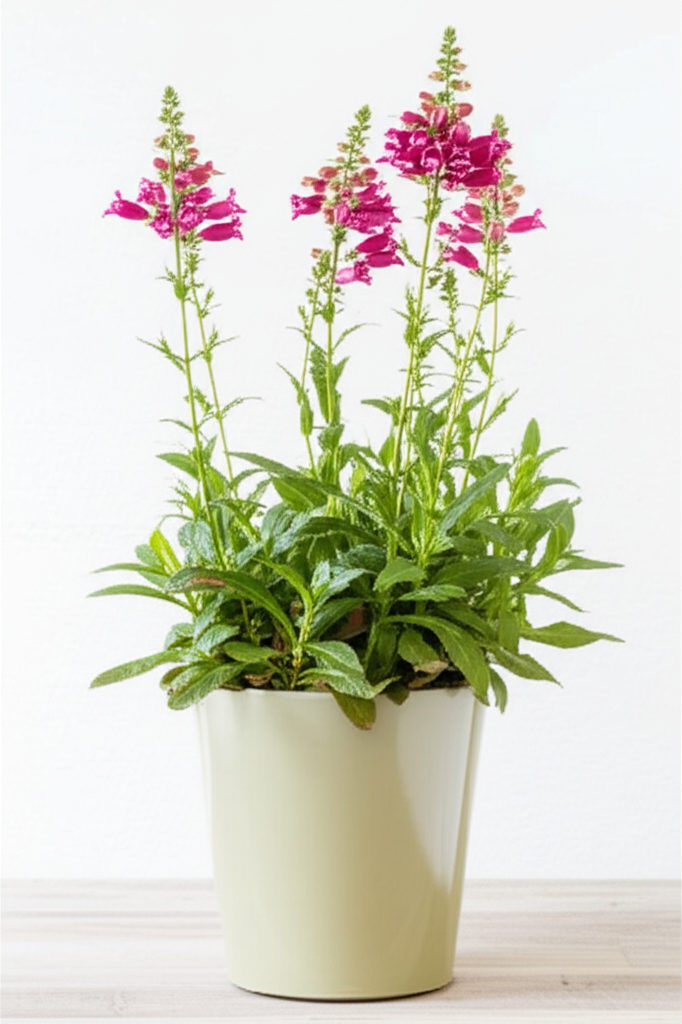
Indoor plants are often at the mercy of our artificial light sources or the limited angles of natural light from windows. Without conscious effort, plants will naturally lean towards the light, leading to an unbalanced growth habit. This is where pot rotation becomes a critical practice.
Even Light Distribution and Preventing Legginess
Foxglove Beardtongue, like most flowering plants, requires ample light to produce strong stems and abundant flowers. When a plant consistently receives light from only one direction, the side facing the light will grow vigorously, while the shaded side will become weak and potentially leggy. Regularly rotating the pot ensures that all sides of the plant receive adequate exposure to the light source, promoting symmetrical growth and preventing the plant from becoming lopsided. This even distribution of light is fundamental for healthy photosynthesis, which fuels all aspects of plant development.
Promoting Sturdy Stem Development
The tall, slender flower spikes of Foxglove Beardtongue need to be robust to support their floral display. Leggy, weak stems are prone to breaking, especially as the plant matures and develops its blooms. By ensuring consistent light exposure through rotation, you encourage the plant to develop stronger, sturdier stems that can better support their weight and withstand minor disturbances. This leads to a more aesthetically pleasing and ultimately more successful plant.
Encouraging Branching and Bushiness
While Foxglove Beardtongue is primarily known for its impressive flower spires, encouraging some lateral branching can lead to a fuller, bushier plant overall. Even light distribution can stimulate dormant buds along the stem to develop into new shoots, contributing to a more compact and visually appealing specimen. This can be particularly beneficial for smaller, potted versions of the plant.
Optimizing Nutrient Uptake and Root Health
While not directly tied to light, consistent rotation can indirectly benefit nutrient uptake and root health. As a plant grows unevenly, its root system can also become unbalanced, with more growth concentrated on the side receiving more light and thus more active growth. Regular rotation encourages a more even development of the root ball, allowing for more efficient absorption of water and nutrients from the entire pot. An even root distribution also contributes to better anchorage within the pot.
Key Factors to Consider Before Rotating Your Foxglove Beardtongue
Before you start spinning your potted Beardtongue, consider these important factors:
Light Source Type and Placement
The frequency and direction of rotation will depend heavily on your light source.
- Natural Light (Windows): Plants placed near windows will benefit from rotation. The intensity and duration of sunlight will vary depending on the window’s orientation (north, south, east, west) and the time of year. A south-facing window generally provides the most intense light, while a north-facing window offers the gentlest.
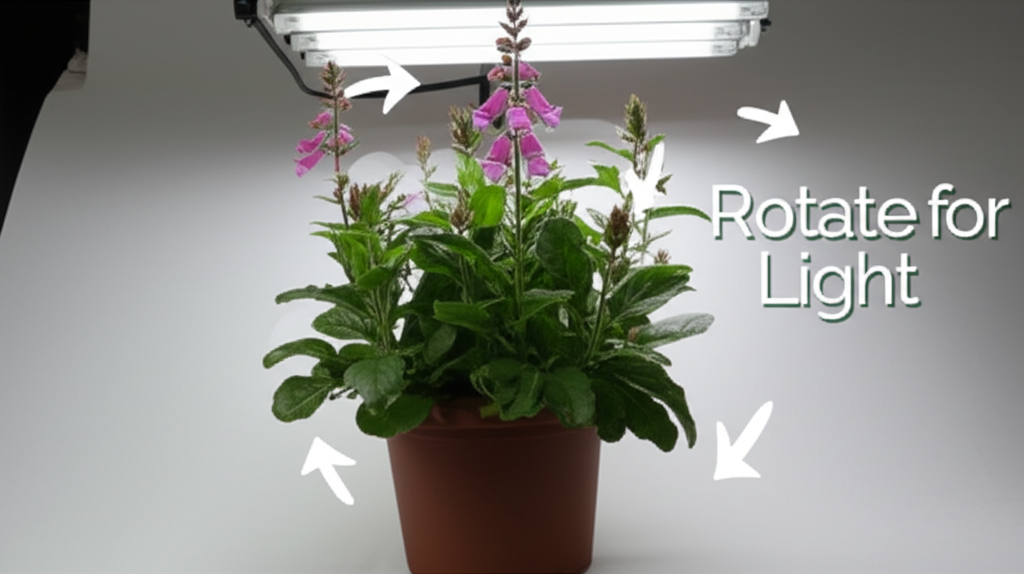
- Artificial Grow Lights: If you’re using grow lights, their placement and spectrum are crucial. Ensure the light is positioned to provide even coverage over the entire plant. If the light is directional, rotation becomes even more important.
Plant’s Current Growth Stage
The stage of your Foxglove Beardtongue’s life cycle will influence how often you need to rotate it.
- Seedlings and Young Plants: Young plants are more susceptible to uneven growth. Frequent, small adjustments are beneficial during this formative period.
- Mature, Blooming Plants: As the plant develops flower spikes, maintaining structural integrity becomes paramount. Rotation helps support these developing blooms.
- Dormant Plants: If your Foxglove Beardtongue enters a period of dormancy (less common for indoor plants but possible), rotation might be less critical until active growth resumes.
Pot Size and Stability
A larger, heavier pot will be more stable, making rotation easier. Ensure the pot is stable and won’t tip over during the process. If you have a very large or top-heavy pot, consider a plant caddy with wheels to facilitate movement and rotation.
Practical Pot Rotation Techniques for Indoor Foxglove Beardtongue
Implementing effective pot rotation is straightforward but requires a consistent approach.
The Gentle Turn Method
This is the most fundamental and widely used technique.
- Frequency: Aim for a quarter-turn (90 degrees) every 3-7 days. The exact frequency will depend on the intensity and directionality of your light source. Observe your plant; if you notice leaning, it’s time for a turn.
- Execution: Carefully grasp the pot and gently rotate it to present a new side to the light source. Avoid jarring the plant or disturbing the soil unnecessarily.
The 180-Degree Flip (Less Frequent)
This involves a more significant rotation.
- Frequency: This method can be used less frequently, perhaps every 2-4 weeks, in addition to the regular gentle turns. It’s particularly useful if you’ve been away or haven’t been able to rotate regularly, and the plant has developed a noticeable lean.
- Execution: Rotate the pot 180 degrees so the previously shaded side is now facing the light. This provides a more dramatic correction to uneven growth.
Leveraging Plant Caddies or Turntables
For larger or heavier pots, a plant caddy with wheels or a dedicated plant turntable can make rotation significantly easier and safer for both you and your plant.
- Execution: Simply place the pot on the caddy or turntable and rotate it to the desired position. This minimizes the risk of dropping the pot or damaging the plant’s base.
Observational Rotation
This is perhaps the most intuitive method.
- Frequency: As needed, based on visual cues.
- Execution: Regularly observe your Foxglove Beardtongue for any signs of leaning or uneven growth. Rotate the pot as soon as you notice these tendencies. This method requires diligent observation but can be very effective.
When to Adjust Rotation Frequency
Your Beardtongue’s needs aren’t static. Be prepared to adapt your rotation schedule.
Seasonal Light Changes
The angle and intensity of sunlight change throughout the year.
- Winter: With shorter days and lower sun angles, plants may lean more noticeably. Increased rotation frequency might be necessary.
- Summer: Longer days and higher sun angles can lead to faster growth. Continue regular rotations to maintain balance.
Changes in Light Source
If you move the plant to a different location or change your grow light setup, reassess the rotation schedule.
Plant Health and Bloom Cycle
A plant that is actively flowering might require more consistent rotation to support its heavy blooms. Conversely, a plant recovering from stress might need less frequent, gentler adjustments.
Troubleshooting Common Issues Related to Pot Rotation
Even with careful rotation, you might encounter a few hiccups.
The Plant Still Leans
- Possible Cause: The light source might be too intense on one side, or you’re not rotating frequently enough.
- Solution: Increase the frequency of your turns, or ensure the light source is positioned further away or diffused. If using grow lights, check their coverage.
Root-Bound Plant and Rotation Difficulty
- Possible Cause: The plant’s roots have outgrown the pot, making it difficult to rotate without disturbing the root ball.
- Solution: Repot the plant into a slightly larger container. This will give the roots more space and make future rotations easier.
Damage During Rotation
- Possible Cause: Rough handling or an unstable pot.
- Solution: Be gentler during rotation. Use a plant caddy for heavy pots. Ensure the pot is stable on its base before turning.
Table 1: Foxglove Beardtongue Indoor Pot Rotation – Key Facts and Comparison
| Factor | Description | Impact on Beardtongue Growth | Rotation Frequency Suggestion |
| :—————– | :——————————————————————————————————– | :—————————————————————————————————————————————————— | :—————————- |
| Light Source | Natural (window) vs. Artificial (grow light) | Natural light is often directional and variable; grow lights can be controlled for evenness. | Variable (see below) |
| Window Facing | North, South, East, West | South-facing offers most intense light; North-facing offers gentlest. Affects lean direction and speed. | Higher for directional light |
| Grow Light Type| Fluorescent, LED, HID | LED and fluorescent are common for indoor growers. Spectrum and intensity matter for growth. | High if light is directional |
| Growth Stage | Seedling, Young Plant, Mature, Flowering, Dormant | Young plants are more prone to lopsided growth; flowering plants need strong stems. | Higher for young plants |
| Rotation Goal | Even Light Exposure, Sturdy Stems, Bushy Growth, Healthy Roots | Prevents legginess, promotes symmetrical development, supports flower spikes, encourages balanced root system. | Consistent |
| Rotation Method| Gentle Turn (90°), 180° Flip, Caddy/Turntable, Observational | Each method offers different levels of correction and ease of use. | Varies by method |
| Frequency (General) | Every 3-7 days for gentle turns. | Crucial for preventing lean and promoting balanced growth. | 3-7 days |
| Frequency (Intense/Directional Light) | Every 2-4 days. | More frequent turns are needed to counteract strong directional light. | 2-4 days |
| Frequency (Even/Ambient Light) | Once a week or as needed. | Less frequent turns are sufficient when light is distributed evenly. | 7-10 days |
Table 2: Foxglove Beardtongue Indoor Pot Rotation – Steps, Pros, and Cons
| Stage/Technique | Steps | Pros | Cons |
| :—————– | :————————————————————————————————————————————- | :—————————————————————————————————– | :——————————————————————————————————- |
| Preparation | 1. Observe your plant for leaning. 2. Ensure the pot is stable. 3. Clear a space for rotation. | Prevents damage, ensures safe handling. | Requires attention to detail. |
| Gentle Turn | 1. Grasp pot firmly. 2. Rotate 90 degrees. 3. Place back down gently. | Promotes even growth, prevents significant leaning, easy to perform regularly. | May not be enough for very strong directional light; requires consistent adherence. |
| 180-Degree Flip| 1. Grasp pot firmly. 2. Rotate 180 degrees. 3. Place back down gently. | Quickly corrects significant leans, provides a more thorough reorientation. | Can be more disruptive to roots if done too often; may be difficult for large/heavy pots. |
| Using a Caddy | 1. Place pot on caddy/turntable. 2. Gently push/turn the caddy/turntable to rotate the pot. | Makes rotation easy for heavy pots, reduces risk of physical strain, protects floors. | Adds an initial cost for the caddy/turntable. |
| Observational | 1. Regularly inspect the plant. 2. Rotate as soon as leaning is detected. | Highly responsive to the plant’s actual needs, prevents over-rotation. | Requires consistent and diligent observation; might miss subtle leans if not attentive. |
| When to Repot | 1. If roots are visible at drainage holes. 2. If soil dries out very quickly. 3. If pot feels disproportionately light. 4. If rotation is difficult due to root mass. | Provides adequate space for root growth, improves drainage, makes pot rotation easier. | Can temporarily stress the plant; requires purchasing new soil and a larger pot. |
| Adjusting Frequency | 1. Monitor plant’s response to current schedule. 2. Increase frequency for noticeable leaning. 3. Decrease for signs of over-rotation (e.g., stress). | Ensures optimal light exposure throughout changing conditions, tailored to the plant’s specific needs. | Requires ongoing observation and understanding of plant signals. |
Beyond Rotation: Complementary Care for Indoor Foxglove Beardtongue
While pot rotation is vital, it’s just one piece of the puzzle for a thriving indoor Foxglove Beardtongue.
Light Requirements
Ensure your Beardtongue receives at least 6-8 hours of bright, indirect light daily. If natural light is insufficient, supplement with a quality grow light.
Watering
Water thoroughly when the top inch of soil feels dry. Avoid overwatering, which can lead to root rot. Ensure the pot has adequate drainage holes.
Soil and Repotting
Use a well-draining potting mix, perhaps a blend of peat moss, perlite, and compost. Repot every 1-2 years or when the plant becomes root-bound, typically in spring.
Fertilizing
Feed your Foxglove Beardtongue with a balanced, water-soluble fertilizer diluted to half strength during the growing season (spring and summer) every 4-6 weeks. Reduce or stop fertilizing in fall and winter.
Pest and Disease Management
Inspect your plant regularly for common indoor pests like aphids or spider mites. Address any issues promptly with appropriate organic or chemical treatments. Good air circulation also helps prevent fungal diseases.
Conclusion: Cultivating a Striking Indoor Display
Mastering pot rotation techniques for your indoor Foxglove Beardtongue is a simple yet incredibly effective way to ensure its healthy, symmetrical growth and prolific blooming. By understanding the principles of even light distribution and implementing consistent, observant practices, you can transform your potted Beardtongue into a magnificent indoor specimen, bringing the joy of this native wildflower into your home year-round. Remember that observation is your greatest tool; pay attention to your plant’s cues, and you’ll be well on your way to a truly stunning display.
html
<h2>Key Facts/Comparison: Foxglove Beardtongue Indoor Pot Rotation</h2>
<table>
<thead>
<tr>
<th>Feature</th>
<th>Description</th>
<th>Impact of Rotation</th>
</tr>
</thead>
<tbody>
<tr>
<td>Sunlight Exposure</td>
<td>Foxglove Beardtongue (Penstemon digitalis) thrives in full sun (6+ hours daily). Insufficient light leads to leggy growth and reduced flowering.</td>
<td>Regular rotation ensures all sides of the plant receive adequate sunlight, promoting even growth and abundant blooms. Prevents leaning towards a single light source.</td>
</tr>
<tr>
<td>Air Circulation</td>
<td>Good air circulation helps prevent fungal diseases and strengthens the plant. Stagnant air can lead to issues.</td>
<td>Rotating the pot can expose different parts of the plant to airflow, further enhancing disease prevention and overall plant health.</td>
</tr>
<tr>
<td>Watering Consistency</td>
<td>Even moisture is crucial. Inconsistent watering can stress the plant.</td>
<td>Rotation can help identify any areas of the pot that may dry out faster or retain more moisture, allowing for more targeted watering adjustments.</td>
</tr>
<tr>
<td>Root Development</td>
<td>Roots naturally grow towards moisture and light.</td>
<td>While not a primary driver, consistent rotation can indirectly encourage more balanced root growth by ensuring all sides of the soil receive attention.</td>
</tr>
</tbody>
</table>
<h2>Steps/Pros-Cons: Foxglove Beardtongue Indoor Pot Rotation</h2>
<h3>Rotation Steps</h3>
<table>
<thead>
<tr>
<th>Step</th>
<th>Description</th>
</tr>
</thead>
<tbody>
<tr>
<td>1. Observe</td>
<td>Note which side of the plant is leaning or showing less vigor. Identify the primary light source.</td>
</tr>
<tr>
<td>2. Prepare</td>
<td>Ensure the pot has drainage holes and is not sitting in standing water.</td>
</tr>
<tr>
<td>3. Rotate</td>
<td>Gently turn the pot 90 degrees (a quarter turn) to expose a new side to the light source.</td>
</tr>
<tr>
<td>4. Adjust Frequency</td>
<td>For plants showing significant leaning, rotate every few days. For general maintenance, a weekly rotation is usually sufficient.</td>
</tr>
<tr>
<td>5. Monitor</td>
<td>Observe the plant's response to the new orientation. Adjust rotation schedule as needed.</td>
</tr>
</tbody>
</table>
<h3>Pros and Cons of Pot Rotation</h3>
<table>
<thead>
<tr>
<th>Pros</th>
<th>Cons</th>
</tr>
</thead>
<tbody>
<tr>
<td>Promotes balanced growth and prevents lopsided plants.</td>
<td>Can be a minor chore requiring regular attention.</td>
</tr>
<tr>
<td>Maximizes sunlight exposure for all parts of the plant, leading to more flowers.</td>
<td>Accidental damage to delicate leaves or stems if not handled carefully.</td>
</tr>
<tr>
<td>Improves air circulation around the foliage.</td>
<td>May not be necessary for plants in a perfectly uniform light environment (rare indoors).</td>
</tr>
<tr>
<td>Helps in identifying potential watering issues (e.g., dry spots).</td>
<td>If roots are heavily pot-bound and circling, rotation alone won't solve underlying issues.</td>
</tr>
<tr>
<td>Contributes to overall plant health and vigor.</td>
<td>Requires a slight understanding of the plant's light needs.</td>
</tr>
</tbody>
</table>