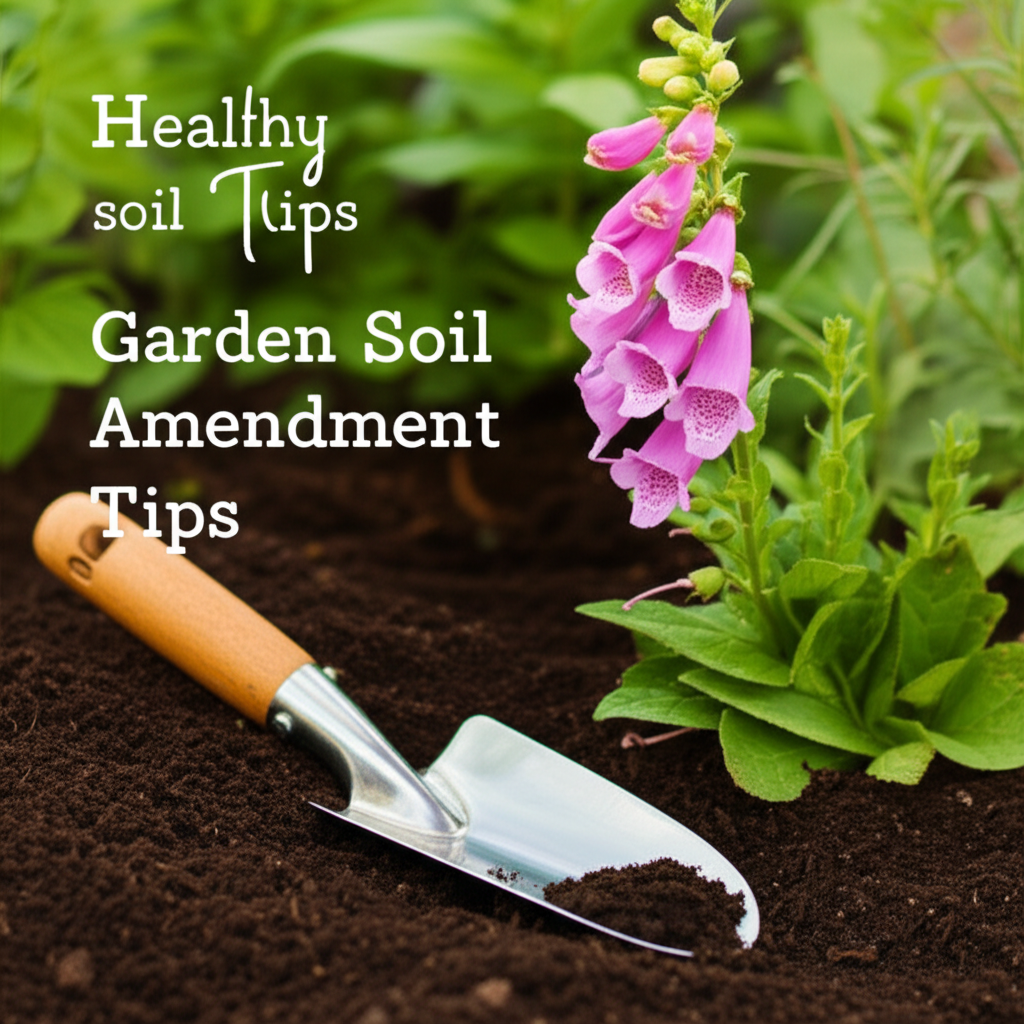
Foxglove Beardtongue, scientifically known as Penstemon digitalis, is a captivating native perennial that brings both beauty and ecological benefit to any garden. Its tall spires of delicate, tubular, often white to pale lavender flowers are a magnet for pollinators, including bees, butterflies, and hummingbirds. While generally adaptable, understanding and optimizing the soil conditions for this valuable plant is crucial for its robust growth, abundant flowering, and long-term health. This guide delves into the essential soil amendment tips for Foxglove Beardtongue, ensuring your garden thrives.
Understanding Foxglove Beardtongue’s Soil Preferences
Before we dive into amendments, it’s vital to grasp what Foxglove Beardtongue naturally prefers. As a prairie native, it has evolved to thrive in conditions that might seem lean to the average gardener.
Native Habitat and Soil Types
In its natural habitat, Foxglove Beardtongue is typically found in prairies, open woodlands, and along stream banks. This translates to a preference for:
- Well-draining soils: This is paramount. Waterlogged conditions are the quickest way to kill this plant.
- Loamy or sandy-loam soils: These soil textures offer a good balance of aeration, moisture retention, and nutrient availability.
- Slightly acidic to neutral pH: Generally, a pH range of 6.0 to 7.0 is ideal.
- Moderate fertility: While it appreciates some nutrients, overly rich soil can lead to leggy growth and fewer flowers.
Common Soil Issues and Their Impact
Many garden soils deviate from these ideal conditions, presenting challenges for Penstemon digitalis:
- Heavy Clay Soils: These soils compact easily, leading to poor drainage and aeration. This can cause root rot.
- Overly Sandy Soils: While some sand is good, excessively sandy soils drain too quickly, making it difficult for the plant to access sufficient moisture and nutrients.
- Poor Drainage: Standing water is detrimental, suffocating roots and promoting fungal diseases.
- Alkaline or Acidic Soils: Extreme pH levels can lock up essential nutrients, making them unavailable to the plant, even if present in the soil.
- Low Organic Matter: Soils lacking organic matter are typically infertile, drain poorly (if clay-based) or too quickly (if sandy), and have poor soil structure.
Key Soil Amendments for Foxglove Beardtongue
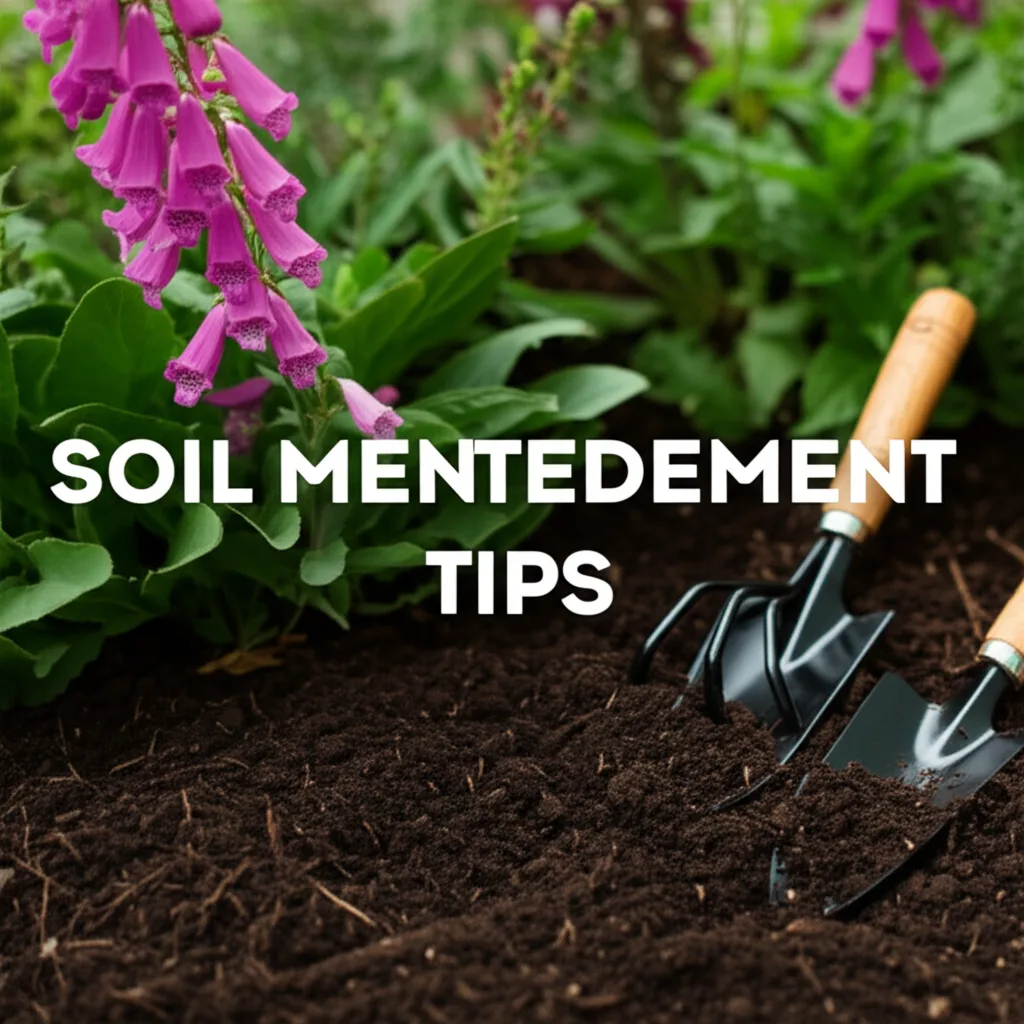
The goal of soil amendment is to create an environment that mimics the plant’s native conditions, focusing on drainage, aeration, and balanced fertility.
Improving Drainage and Aeration
This is often the most critical step for Foxglove Beardtongue.
- Coarse Sand: Incorporating coarse, horticultural sand (not fine play sand) into clay soils can significantly improve drainage. Aim for a ratio of about 2 parts soil to 1 part sand, thoroughly mixing it in.
- Composted Pine Bark Fines: These provide excellent aeration and improve drainage without significantly altering the soil pH.
- Perlite or Vermiculite: These lightweight, inert amendments are excellent for improving aeration and drainage, especially in container plantings or small beds.
- Gravel or Small Stones: While not typically mixed throughout the entire soil profile, a layer of gravel at the bottom of planting holes or beds can help divert excess water away from the root zone. This is particularly useful in areas with very high water tables.
Enhancing Soil Structure and Fertility
While Foxglove Beardtongue doesn’t demand rich soil, a healthy soil structure and a moderate supply of nutrients are beneficial.
- Compost: High-quality, well-rotted compost is a gardener’s best friend. It improves soil structure, adds essential nutrients, enhances moisture retention (without making it soggy), and fosters beneficial microbial activity. It’s particularly effective in balancing both sandy and clay soils.
- Aged Manure: Similar to compost, aged manure provides nutrients and improves soil structure. Ensure it is fully composted to avoid burning the roots.
- Leaf Mold: Decomposed leaves create a rich, soil-like material that improves soil structure, aeration, and water retention.
- Bone Meal or Rock Phosphate: For a slow-release source of phosphorus, which is important for root development and flowering, these can be beneficial. Use sparingly.
Adjusting Soil pH
Most garden soils fall within a workable range for Foxglove Beardtongue. However, if your soil is significantly outside the 6.0-7.0 ideal, adjustments may be necessary.
- To Lower pH (Make More Acidic): Incorporating elemental sulfur or acidic organic matter like pine needles or peat moss can gradually lower soil pH.
- To Raise pH (Make More Alkaline): Adding agricultural lime or wood ash can help raise soil pH.
Important Note: Soil pH adjustments should be made gradually and based on soil test results. Making drastic changes can be detrimental.
When and How to Amend Soil for Foxglove Beardtongue
The timing and method of amending are as important as the amendments themselves.
Pre-Planting Soil Preparation
This is the ideal time to make significant amendments.
- Soil Testing: Before you do anything else, get a soil test. This will tell you your soil’s pH, nutrient levels, and texture, guiding your amendment choices.
- Clear the Area: Remove any existing weeds, debris, or grass from the planting area.
- Incorporate Amendments: Spread your chosen amendments (e.g., compost, coarse sand) over the planting bed to a depth of several inches.
- Double Digging or Tilling: Thoroughly mix the amendments into the existing soil. For clay soils, aim to loosen the soil to a depth of at least 8-12 inches.
- Rake Smooth: Create a smooth, level surface for planting.
Amendments for Established Plants
While major renovations are best done before planting, established Foxglove Beardtongue can benefit from top-dressing.
- Top-dressing with Compost: In early spring, spread a thin layer (1-2 inches) of compost around the base of established plants, keeping it a few inches away from the crown to prevent rot.
- Mulching: A layer of organic mulch (like shredded bark or compost) applied in spring or fall helps retain moisture, suppress weeds, and gradually enriches the soil as it breaks down.
Container Gardening Considerations
Foxglove Beardtongue can be successfully grown in containers, which offers greater control over soil conditions.
- Potting Mix: Use a high-quality potting mix specifically designed for containers.
- Drainage Layer: Ensure the pot has adequate drainage holes. While a gravel layer at the bottom is often debated, ensuring the potting mix itself is well-draining is paramount.
- Amendments: You can amend standard potting mix with perlite or coarse sand for extra drainage and aeration.
- Fertilizing: Container plants will need regular feeding, as nutrients leach out with watering. Use a balanced, slow-release fertilizer or a liquid feed during the growing season.
Key Facts and Comparison of Soil Amendments
Understanding the specific benefits of different amendments helps in making informed decisions.
| Amendment | Primary Benefit(s) | Best For | Considerations |
|---|---|---|---|
| Coarse Sand | Improves drainage & aeration | Heavy clay soils | Use horticultural grade; too much can create concrete-like soil if mixed with fine sand. |
| Compost | Improves structure, fertility, moisture retention, microbial activity | All soil types | Use well-rotted; can be mixed in or used as top-dressing. |
| Pine Bark Fines | Improves drainage & aeration | Clay soils, sandy soils | Slightly acidic; excellent for improving structure. |
| Perlite | Improves aeration & drainage | Container mixes, amending heavy soils | Inert; doesn’t add nutrients. |
| Aged Manure | Adds nutrients, improves structure | Most soils | Must be fully composted to avoid root burn. |
| Leaf Mold | Improves structure, aeration, moisture retention | All soil types | Excellent soil conditioner. |
| Elemental Sulfur | Lowers soil pH | Alkaline soils | Apply in fall or early spring; results take time. |
| Agricultural Lime | Raises soil pH | Acidic soils | Apply in fall or early spring; results take time. |
Step-by-Step Amendment Process and Pros/Cons
A clear process ensures successful amendment application.
| Step | Action | Pros | Cons |
|---|---|---|---|
| 1 | Soil Testing | Identifies specific needs (pH, nutrients, texture) | Requires purchasing a kit or sending to a lab; takes time to get results. |
| 2 | Choose Amendments | Tailors treatment to soil type and plant needs | Requires knowledge of amendment properties. |
| 3 | Prepare Site | Ensures clean planting area, easy amendment incorporation | Can be labor-intensive, especially for large areas. |
| 4 | Incorporate Amendments | Integrates amendments into soil profile for maximum effect | Requires physical effort (digging, tilling); can be disruptive to existing soil life if done aggressively. |
| 5 | Planting | Places plant in optimal soil conditions | None related to the amendment process itself. |
| 6 | Mulching/Top-dressing (Ongoing) | Maintains soil health, conserves moisture, suppresses weeds | Over-application can suffocate plants; needs regular replenishment. |
Common Mistakes to Avoid
Even with the best intentions, some errors can hinder your Foxglove Beardtongue’s success.
- Over-amending with Rich Organic Matter: While compost is good, excessive amounts can lead to overly vigorous, floppy growth with fewer flowers and increased susceptibility to fungal diseases.
- Using the Wrong Kind of Sand: Fine play sand or builder’s sand can actually worsen drainage by creating a dense, clumpy mix. Always opt for coarse horticultural sand.
- Ignoring Drainage: This is the most common and fatal mistake. No matter how well you amend for fertility, if the soil remains waterlogged, your Foxglove Beardtongue will struggle or die.
- Amending Too Late: Major soil work is best done before planting. While top-dressing helps, it’s not a substitute for proper initial preparation.
- Overly Aggressive pH Adjustments: Small, incremental changes based on soil tests are far safer than drastic alterations.
Troubleshooting Common Soil-Related Issues
Even with careful amendment, problems can arise.
- Yellowing Leaves (Chlorosis): This can indicate a nutrient deficiency, often iron, especially in alkaline soils. A foliar spray of chelated iron or incorporating soil acidifiers can help.
- Wilting and Rotting Stems: Almost always a sign of overwatering or poor drainage. Allow the soil to dry out and address drainage issues.
- Leggy Growth with Few Flowers: Likely due to overly rich soil or insufficient sunlight. Reduce fertilization and ensure adequate sun exposure.
- Powdery Mildew: While not always soil-related, good air circulation (promoted by well-draining, amended soil) and avoiding overhead watering can help prevent it.
Conclusion: Building a Foundation for Beauty
By understanding the specific needs of Foxglove Beardtongue and employing strategic soil amendment techniques, you lay the groundwork for a spectacular display of native beauty. Prioritizing excellent drainage, improving soil structure with organic matter, and ensuring a balanced pH will reward you with healthy, robust plants that attract pollinators and bring a touch of the prairie to your garden for years to come. Remember that soil is a living system, and consistent, thoughtful care will cultivate success.