The Art of Watering Foxglove Beardtongue in Containers
Foxglove Beardtongue, scientifically known as Penstemon digitalis, is a delightful native perennial that brings tall spikes of bell-shaped flowers to the garden, attracting pollinators like bees and butterflies. While it’s generally a hardy and adaptable plant, successfully growing it in containers presents unique challenges, primarily concerning soil moisture. Unlike plants in the ground, containerized specimens are entirely dependent on the gardener for their water supply, making precise moisture monitoring crucial for their health and longevity. This guide will delve into the essential aspects of ensuring your Foxglove Beardtongue thrives in its portable home, focusing on understanding its watering needs and implementing effective monitoring techniques.
Understanding Penstemon digitalis Watering Requirements
Foxglove Beardtongue is native to moist, open woodlands and prairies, indicating a preference for consistently moist, but not waterlogged, soil. In their natural habitat, they benefit from the natural rainfall patterns and the surrounding soil’s ability to retain moisture. In a container, however, this equilibrium is disrupted. The potting mix can dry out much faster due to increased exposure to sun and wind, and the limited soil volume offers less buffer against fluctuations.
Overwatering is as detrimental as underwatering. Constantly saturated soil deprives the roots of oxygen, leading to root rot, fungal diseases, and ultimately, the demise of the plant. Conversely, allowing the soil to dry out completely can stress the plant, causing wilting, leaf drop, and a stunted growth habit, potentially impacting its flowering potential. The key lies in finding that sweet spot – consistently moist, well-draining soil.
Factors Influencing Container Soil Moisture
Several environmental and situational factors will dictate how frequently you need to water your Foxglove Beardtongue in containers:
- Pot Size and Material: Smaller pots and porous materials like terracotta will dry out faster than larger, plastic, or glazed containers.
- Climate and Season: Hot, dry, and windy conditions necessitate more frequent watering. During cooler, humid, or dormant periods, watering needs will decrease significantly.
- Sunlight Exposure: Plants in full sun will require more water than those in partial shade.
- Potting Mix: The type of potting soil used plays a crucial role. A well-draining mix is essential, but some mixes retain moisture better than others.
- Plant Maturity and Size: Larger, more established plants with extensive root systems will consume more water than young seedlings.
Effective Methods for Monitoring Soil Moisture
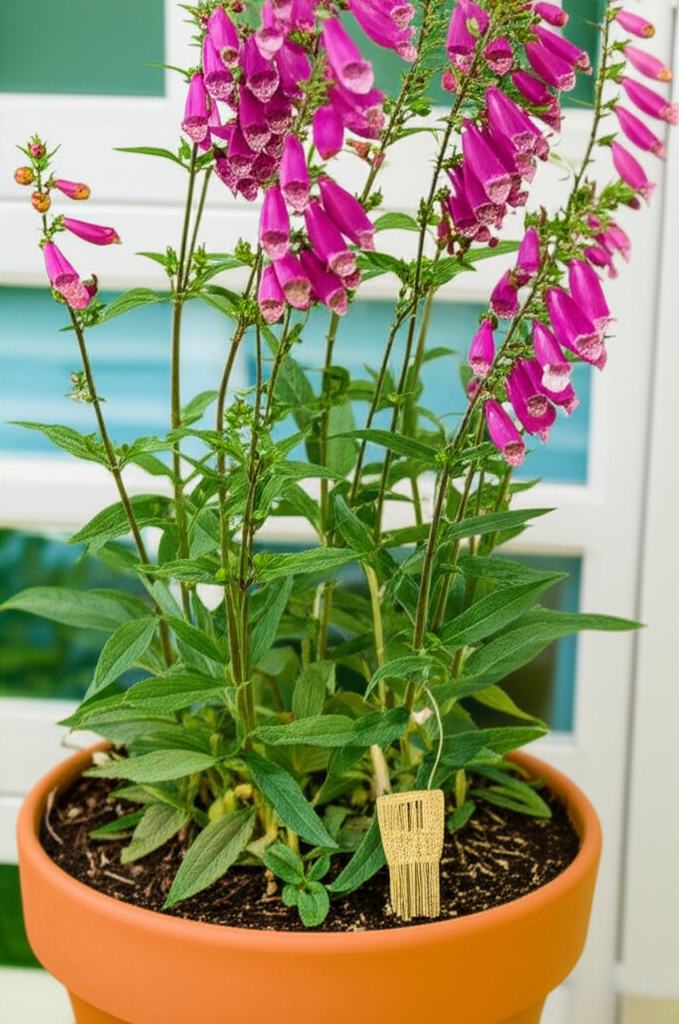
Relying solely on a watering schedule is a common pitfall for container gardeners. The best approach is to check the soil moisture directly. Here are several reliable methods to assess if your Foxglove Beardtongue needs a drink:
The Finger Test: A Timeless Classic
The most accessible and frequently recommended method is the “finger test.”
- Insert your index finger into the potting soil, about 2-3 inches deep.
- If the soil feels dry to the touch at that depth, it’s time to water.
- If the soil still feels moist, hold off watering for another day or two and re-test.
This simple method directly assesses the moisture level where the plant’s roots are actively drawing water.
Using a Soil Moisture Meter: Precision and Convenience
For a more objective measurement, a soil moisture meter is an invaluable tool. These devices come in various forms, from simple analog probes to sophisticated digital readouts.
Types of Soil Moisture Meters
- Probe Meters: These typically have a metal probe that you insert into the soil. They often have a dial or indicator that shows whether the soil is dry, moist, or wet.
- Digital Meters: These offer more precise readings, often displaying a numerical value or a color-coded scale. Some advanced models can also measure soil pH and light levels.
How to Use a Soil Moisture Meter
- Ensure the meter’s probe is clean before inserting it into the soil.
- Insert the probe into the soil near the base of the plant, at root level.
- Wait for the reading to stabilize. Refer to the meter’s instructions for interpreting the results.
- It’s recommended to test the meter in a known wet and dry environment (e.g., freshly watered soil vs. dry soil) to calibrate your understanding of its readings.
Observing Your Plant: Visual Cues
While not as precise as direct testing, paying attention to your Foxglove Beardtongue’s appearance can provide clues.
- Wilting: Drooping leaves are a clear sign of thirst. However, wilting can also occur due to overwatering (root damage prevents water uptake) or extreme heat, so always confirm with the finger test or a moisture meter.
- Leaf Color: While not a primary indicator for Foxglove Beardtongue, overall dullness or a slight yellowing of the lower leaves could sometimes be linked to prolonged dry spells, but this is less common than wilting.
- Soil Surface Appearance: A visibly dry, pulling-away soil surface is a strong indicator that the entire root ball is drying out.
Watering Techniques for Containerized Foxglove Beardtongue
Once you’ve determined your Foxglove Beardtongue needs water, how you water it is just as important as when.
Deep and Thorough Watering
The goal is to water the entire root ball until water drains freely from the drainage holes at the bottom of the pot.
- Water slowly and evenly, allowing the potting mix to absorb the moisture gradually. Avoid quick, superficial watering, which only moistens the top layer of soil.
- Continue watering until you see water actively flowing from the drainage holes.
- Allow excess water to drain away completely. Never let the pot sit in a saucer full of water for extended periods, as this can lead to root rot.
Watering Frequency: A Flexible Approach
Instead of adhering to a rigid schedule, adjust your watering frequency based on your observations and the environmental factors mentioned earlier.
- During hot summer months or periods of active growth, you might need to water every 1-3 days.
- In cooler or more humid weather, watering might only be necessary once a week or even less.
- Always check the soil moisture before watering, regardless of the perceived schedule.
Best Time to Water
The best time to water your Foxglove Beardtongue is in the early morning. This allows the plant to absorb moisture before the heat of the day, reducing water loss through evaporation. Watering in the evening can also be acceptable, but it’s important to ensure the foliage doesn’t remain wet overnight, as this can encourage fungal diseases.
Troubleshooting Common Watering Issues
Even with careful monitoring, problems can arise. Understanding common issues and their solutions is key.
Underwatering Symptoms and Solutions
- Symptoms: Wilting leaves, dry and brittle foliage, stunted growth, reduced flowering.
- Solutions: Check soil moisture immediately. If dry, water thoroughly until drainage occurs. If the plant is severely dehydrated and the soil is extremely dry, consider “bottom-watering.” Place the pot in a larger container filled with water, allowing the soil to wick moisture up from the bottom until the surface is moist.
Overwatering Symptoms and Solutions
- Symptoms: Yellowing leaves (often starting from the bottom), wilting even when the soil is moist, root rot (indicated by mushy, brown roots and a foul odor from the soil), fungal growth on the soil surface.
- Solutions: Stop watering immediately. Ensure the pot has adequate drainage. If the soil is waterlogged, you may need to repot the plant into fresh, well-draining potting mix, trimming away any rotten roots. In less severe cases, simply allow the soil to dry out thoroughly before watering again, and adjust your watering habits to be less frequent.
Choosing the Right Potting Mix and Container
The foundation of good watering practices starts with the right container and soil.
Container Selection
- Drainage Holes are Non-Negotiable: Always choose pots with ample drainage holes at the bottom.
- Material Considerations: Terracotta dries out faster but allows for better air circulation. Plastic and glazed pots retain moisture longer. Consider your climate and how often you can water when choosing material.
- Size Matters: Select a pot that is appropriately sized for your Foxglove Beardtongue. A pot that is too small will restrict root growth and dry out quickly. A pot that is too large can hold excess moisture, increasing the risk of root rot, especially for younger plants. Aim for a pot that is at least 2-4 inches wider than the current root ball.
Potting Mix Essentials
A well-draining potting mix is paramount for Penstemon digitalis.
- Commercial Potting Mixes: Look for high-quality potting mixes specifically designed for containers. Many contain peat moss, perlite, and vermiculite, which improve drainage and aeration.
- DIY Mix: You can create your own mix by combining equal parts of peat moss or coco coir, perlite or coarse sand, and compost.
- Avoid Garden Soil: Never use soil directly from your garden in containers. It compacts easily, hindering drainage and aeration, and may contain weed seeds or pathogens.
Key Facts and Comparison for Foxglove Beardtongue Container Care
Understanding the nuances of container gardening for Penstemon digitalis can be aided by a clear comparison of key factors.
| Factor | Ideal Condition for Foxglove Beardtongue in Containers | Potential Problem if Mismanaged |
|---|---|---|
| Soil Moisture | Consistently moist, but not waterlogged. | Overwatering (root rot), Underwatering (wilting, stunted growth). |
| Drainage | Excellent, with free-flowing water from pot bottom. | Waterlogged soil, root suffocation, fungal diseases. |
| Pot Material | Versatile, but consider drying rate (terracotta dries faster). | Rapid drying (underwatering risk) or prolonged wetness (overwatering risk). |
| Pot Size | Appropriately sized to root ball, allowing for growth. | Too small (root bound, quick drying), Too large (excess moisture retention). |
| Potting Mix | Well-draining, aerated, and nutrient-rich. | Compacted soil, poor aeration, waterlogging. |
| Watering Method | Deep and thorough, allowing excess to drain. | Shallow watering (roots don’t get enough), sitting in water (root rot). |
Best Practices, Pros, and Cons of Containerized Foxglove Beardtongue Care
Successfully growing Foxglove Beardtongue in containers involves weighing the advantages against potential challenges.
| Aspect | Best Practice/Benefit | Potential Drawback/Challenge |
|---|---|---|
| Watering Precision | Container allows for precise control over watering based on direct observation. | Requires consistent monitoring, as drying out can be rapid. |
| Mobility | Can move plants to optimize sun exposure or protect from harsh weather. | Plants can become heavy, making movement difficult, especially when well-watered. |
| Soil Management | Ability to control the potting mix, ensuring excellent drainage. | Potting mix can degrade over time, requiring occasional repotting. |
| Pest/Disease Control | Easier to isolate and treat infested or diseased plants. | Containerized plants can be more susceptible to certain pests or diseases due to controlled environment stress. |
| Winter Protection | Containers can be moved to sheltered locations for winter. | Root systems in containers are more exposed to temperature fluctuations than in the ground, requiring insulation. |
Conclusion: Cultivating a Thriving Foxglove Beardtongue in Your Container Garden
Growing Foxglove Beardtongue in containers offers the rewarding experience of enjoying its stunning floral displays and attracting beneficial pollinators, even in limited spaces. The key to success lies in diligent observation and understanding the plant’s hydration needs. By mastering the art of soil moisture monitoring, utilizing the right tools, and employing proper watering techniques, you can ensure your containerized Penstemon digitalis flourishes, providing beauty and ecological benefit to your garden season after season. Remember, consistency in checking and responsiveness to your plant’s cues are your most powerful allies in container gardening.