Introduction: The Allure of Foxglove Beardtongue (Penstemon digitalis)
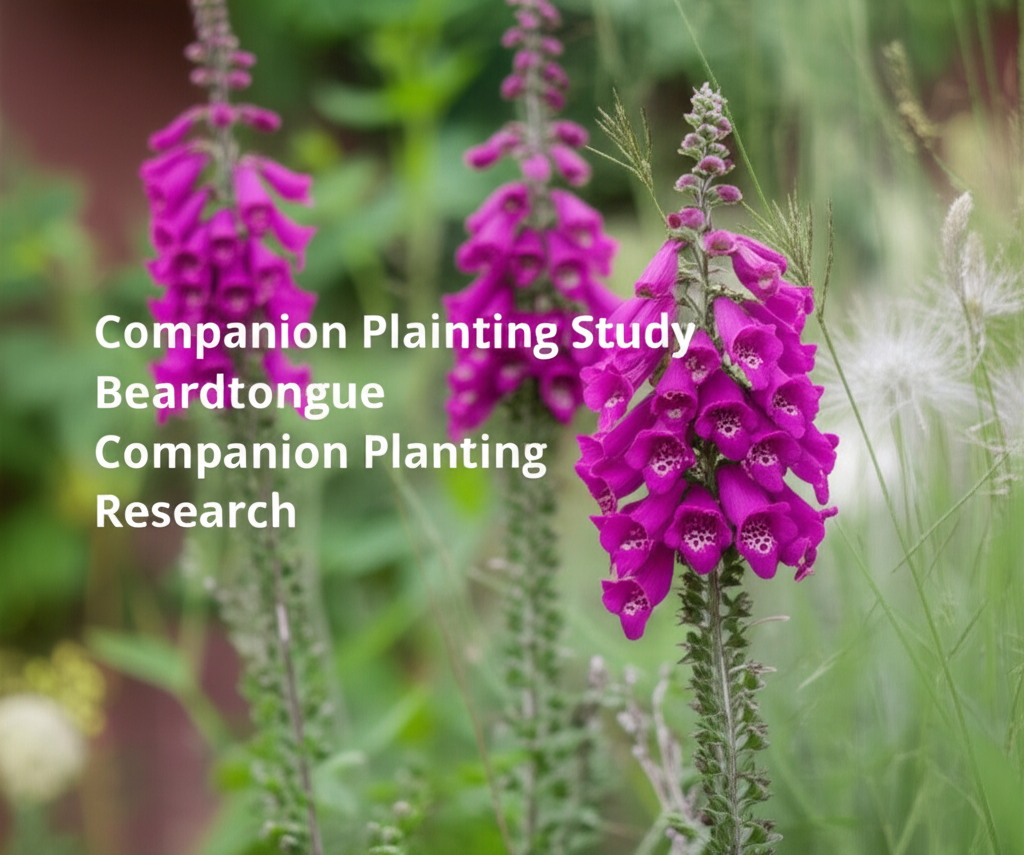
Foxglove Beardtongue, scientifically known as Penstemon digitalis, is a captivating native perennial that graces many North American landscapes with its elegant, tubular flowers and architectural presence. This hardy plant is a favorite among gardeners and pollinators alike, offering a long blooming season and attracting a wealth of beneficial insects. Its upright growth habit and delicate, often white to pale lavender blossoms create a sophisticated yet naturalistic feel in garden beds, meadows, and borders. Beyond its aesthetic appeal, Penstemon digitalis is known for its resilience, drought tolerance once established, and adaptability to a range of soil conditions, making it a valuable addition to sustainable gardening practices.
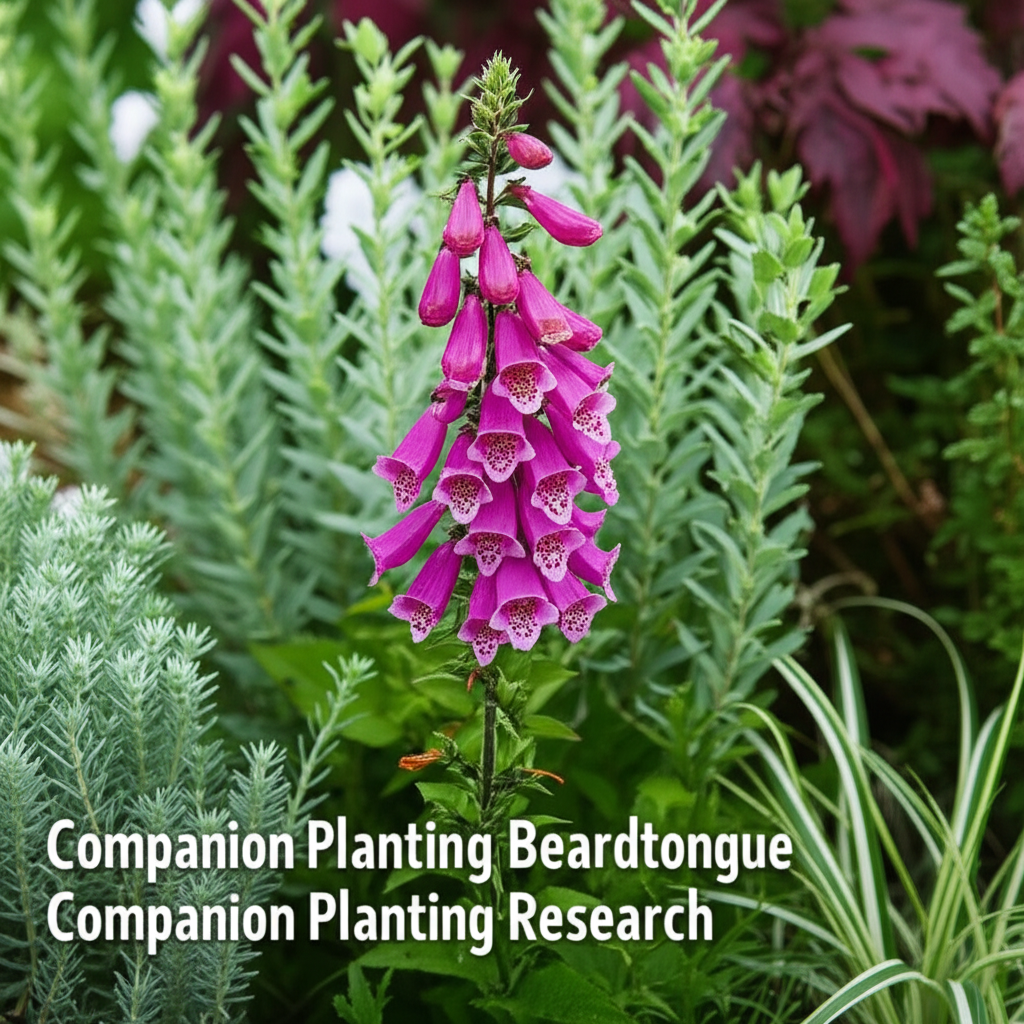
However, to truly unlock the potential of Foxglove Beardtongue and create a thriving, resilient garden ecosystem, understanding the principles of companion planting is crucial. Companion planting involves strategically placing different plant species together to leverage their natural interactions. These interactions can include mutual pest deterrence, nutrient sharing, improved soil health, attracting beneficial insects, and enhancing overall plant vigor and bloom production. This article delves into the research and practical applications of companion planting with Foxglove Beardtongue, exploring its ideal partners and the benefits they offer.
Understanding the Needs of Foxglove Beardtongue
Before diving into companion planting strategies, it’s essential to understand the specific needs of Penstemon digitalis to ensure successful partnerships.
Sunlight Requirements
Foxglove Beardtongue thrives in full sun to partial shade. For the most abundant blooms and healthiest growth, at least six hours of direct sunlight per day is recommended. In hotter climates, some afternoon shade can be beneficial to prevent scorching.
Soil Preferences
This adaptable perennial prefers well-drained soil. While it can tolerate a variety of soil types, it performs best in moist, loamy soils. It is relatively tolerant of clay soils as long as they do not become waterlogged. Slightly acidic to neutral pH is generally preferred.
Watering Needs
Once established, Foxglove Beardtongue is quite drought-tolerant. However, consistent moisture is important during its first year and during prolonged dry spells to promote robust root development and flowering.
Growth Habit and Bloom Time
Penstemon digitalis typically grows to a height of 2-4 feet, with flower spikes emerging from a basal rosette of leaves. The blooming period usually spans from late spring through mid-summer, offering a valuable nectar and pollen source for a variety of pollinators.
The Principles of Companion Planting for Foxglove Beardtongue
Companion planting is not merely about aesthetics; it’s about fostering a symbiotic relationship between plants. When selecting companions for Foxglove Beardtongue, several key principles come into play:
- Pollinator Attraction: Many companion plants are excellent at attracting a diverse range of pollinators, which in turn will visit the Penstemon digitalis flowers, enhancing cross-pollination and overall plant health.
- Pest Deterrence: Certain plants release aromas or compounds that can repel common pests that might bother Foxglove Beardtongue or its neighbors.
- Beneficial Insect Habitat: Some companions provide habitat and food sources for predatory insects that can help control pest populations in the garden.
- Nutrient Enhancement: Certain plants, particularly legumes, can fix nitrogen in the soil, benefiting neighboring plants.
- Ground Cover and Weed Suppression: Lower-growing plants can help retain soil moisture and suppress weed growth around the base of taller perennials.
- Aesthetic Harmony: While functional, companion planting also considers how different plants look and grow together, creating visually appealing arrangements.
Optimal Companion Plants for Foxglove Beardtongue
Based on these principles, several plant species have been identified as excellent companions for Penstemon digitalis, creating a harmonious and beneficial garden environment.
Native Wildflowers and Perennials
Integrating Penstemon digitalis with other native wildflowers enhances biodiversity and supports local ecosystems.
- Purple Coneflower (Echinacea purpurea): A classic prairie plant, coneflowers share similar habitat preferences with Foxglove Beardtongue and are renowned for their pollinator-attracting capabilities. Their sturdy stems and large, daisy-like flowers complement the delicate spikes of Penstemon.
- Black-Eyed Susan (Rudbeckia hirta): This cheerful, golden-flowered perennial adds vibrant color and blooms concurrently with or slightly after Foxglove Beardtongue, extending the pollinator season.
- Wild Bergamot (Monarda fistulosa): Also known as Bee Balm, Wild Bergamot is a magnet for bees and butterflies, including many species that also visit Penstemon. Its fragrant foliage can also help deter pests.
- Blazing Star (Liatris spp.): The feathery, upright flower spikes of Liatris provide a striking contrast to the broader foliage and flowers of Penstemon digitalis, and they are highly attractive to butterflies.
- Astilbe (Astilbe spp.): While preferring slightly more moisture, certain varieties of Astilbe can tolerate partial shade and add a feathery texture and diverse color palette (pinks, reds, whites) to the garden, especially in dappled light conditions.
Grasses for Texture and Habitat
Native ornamental grasses provide essential structure, habitat, and visual interest, especially during the fall and winter months.
- Little Bluestem (Schizachyrium scoparium): This iconic prairie grass offers beautiful blue-green foliage in summer that transforms into stunning shades of red and orange in the fall. It shares the preference for well-drained soil and full sun.
- Switchgrass (Panicum virgatum): With its upright habit and airy seed heads, Switchgrass adds movement and texture. It can also provide shelter for beneficial insects during colder months.
- Prairie Dropseed (Sporobolus heterolepis): Known for its fine, fountain-like habit and fragrant, cloud-like seed heads, Prairie Dropseed is an elegant companion that thrives in similar sunny, well-drained conditions.
Herbs and Their Benefits
Certain herbs can offer dual benefits of attracting beneficial insects and deterring pests.
- Lavender (Lavandula angustifolia): Lavender thrives in full sun and well-drained soil, mirroring the preferences of Penstemon digitalis. Its fragrance is known to deter deer and rabbits, and it is a powerful attractant for bees.
- Bee Balm (Monarda spp.): As mentioned earlier, Monarda is a fantastic companion for attracting pollinators and can also help deter powdery mildew, a common issue for some plants.
- Rosemary (Salvia rosmarinus): While often grown as an annual in colder climates, Rosemary’s fragrant foliage can deter some insect pests. Its drought tolerance also aligns well with established Penstemon.
Key Facts and Comparisons in Foxglove Beardtongue Companion Planting
To better understand the advantages of specific pairings, consider the following comparison:
| Companion Plant | Key Benefits for Penstemon digitalis | Sunlight Preference | Soil Preference | Bloom Time Overlap | Pest/Disease Mitigation |
|---|---|---|---|---|---|
| Purple Coneflower (Echinacea purpurea) | Attracts diverse pollinators, visual appeal, shared habitat needs. | Full Sun | Well-drained, adaptable | Late Spring – Mid Summer | Generally pest-resistant, attracts beneficials. |
| Black-Eyed Susan (Rudbeckia hirta) | Extends pollinator season, vibrant color contrast, attracts beneficials. | Full Sun | Well-drained, adaptable | Early Summer – Fall | Resistant to most pests. |
| Wild Bergamot (Monarda fistulosa) | Attracts bees and butterflies, fragrant foliage may deter pests. | Full Sun to Partial Shade | Moist, well-drained | Summer | Can deter powdery mildew in companions, attracts beneficials. |
| Little Bluestem (Schizachyrium scoparium) | Provides structure, habitat for beneficials, aesthetic contrast. | Full Sun | Well-drained, tolerant of poor soil | N/A (foliage interest) | Provides overwintering habitat. |
| Lavender (Lavandula angustifolia) | Attracts bees, may deter deer/rabbits, drought-tolerant companion. | Full Sun | Well-drained, sandy | Late Spring – Summer | Deer and rabbit deterrent. |
Research and Evidence Supporting Companion Planting
The practice of companion planting, while often rooted in traditional knowledge, is increasingly supported by scientific research. Studies have demonstrated that certain plant combinations can indeed influence pest populations and attract beneficial insects. For instance, research on pollinator gardens consistently shows that a diversity of flowering plants, with varying bloom times and flower shapes, supports a more robust and varied pollinator community. The aromatic compounds released by herbs like mint (Mentha spp.) and rosemary (Salvia rosmarinus) have been studied for their repellent properties against certain common garden pests. Furthermore, the presence of flowering plants that attract predatory insects, such as lacewings and ladybugs, can create a natural pest control system for the entire garden bed. While specific studies focusing solely on Penstemon digitalis and its companion planting effects are not as abundant as those for some staple crops, the principles derived from broader ecological and horticultural research are directly applicable. The shared habitat requirements and pollinator attraction strategies for Foxglove Beardtongue align with well-documented benefits observed in other native plant communities.
Implementing Companion Planting with Foxglove Beardtongue
Successful companion planting involves thoughtful design and placement.
Design Considerations
- Height and Spacing: Place taller companions behind or interspersed with Penstemon digitalis to avoid casting excessive shade. Ensure adequate spacing between plants to allow for air circulation and prevent competition for resources.
- Bloom Succession: Select companions that bloom at different times or concurrently with Penstemon digitalis to ensure continuous interest and support for pollinators throughout the growing season.
- Texture and Color: Combine plants with contrasting textures and colors to create visual depth and appeal. The delicate spikes of Penstemon can be beautifully complemented by the broad leaves of hostas or the grassy textures of ornamental grasses.
- Soil Moisture Zones: While Penstemon digitalis prefers well-drained soil, some companions might tolerate slightly different conditions. Group plants with similar watering needs to simplify garden maintenance.
Step-by-Step Guide to Planting Companions
| Step | Action | Considerations |
|---|---|---|
| 1 | Site Selection: Choose a location with full sun to partial shade and well-drained soil. | Ensure the site meets the primary needs of Foxglove Beardtongue. |
| 2 | Soil Preparation: Amend the soil with compost to improve drainage and fertility. | Avoid overly rich soil, as it can lead to leggy growth. |
| 3 | Plant Placement: Arrange your chosen companion plants around the Penstemon digitalis. | Consider height, bloom time, and visual appeal. Place taller plants towards the back. |
| 4 | Planting: Dig holes that are twice the width of the root balls and plant at the same depth as they were in their nursery containers. | Water thoroughly after planting. |
| 5 | Mulching: Apply a layer of organic mulch around the base of the plants, keeping it away from the stems. | Mulch helps retain moisture, suppress weeds, and regulate soil temperature. |
| 6 | Watering: Water regularly until the plants are established. | Once established, water deeply but infrequently, allowing the soil to dry out slightly between waterings. |
| 7 | Observation: Monitor your garden for signs of pests or diseases and observe the interactions between your plants. | Adjust watering or provide support as needed. |
Potential Challenges and Troubleshooting
While companion planting offers numerous benefits, some potential challenges can arise.
Competition for Resources
If companions are too closely planted or are overly vigorous, they can compete with Penstemon digitalis for water, nutrients, and sunlight. This can lead to reduced flowering or stunted growth.
- Solution: Ensure proper spacing and select companions with similar or less demanding nutrient and water requirements.
Introducing Pests or Diseases
While many companions deter pests, some can inadvertently attract them or be susceptible to diseases that could spread.
- Solution: Choose pest-resistant varieties and research the common issues associated with your chosen companions. Inspect new plants before introducing them to your garden.
Overgrowth and Shading
Aggressive companions can quickly outgrow and shade out Penstemon digitalis, hindering its growth and flowering.
- Solution: Prune companions as needed to maintain proper spacing and light exposure for the Beardtongue.
Conclusion: Cultivating a Thriving Ecosystem with Foxglove Beardtongue
Foxglove Beardtongue (Penstemon digitalis) is a star performer in many garden settings, offering beauty, ecological benefits, and resilience. By embracing the principles of companion planting, gardeners can further enhance its success, creating a vibrant, self-sustaining ecosystem. Strategic partnerships with native wildflowers, ornamental grasses, and select herbs not only amplify the aesthetic appeal of the garden but also bolster its ecological functions, attracting beneficial insects, deterring pests, and fostering a healthy environment.
The research, while broad in its scope regarding ecological gardening, consistently points to the advantages of biodiversity. By carefully selecting and arranging companion plants, you can unlock the full potential of your Foxglove Beardtongue, enjoying a more robust bloom, a healthier plant, and a garden that truly thrives. As you plan your next planting, consider the symbiotic relationships that can transform your garden into a flourishing haven for both plants and pollinators.