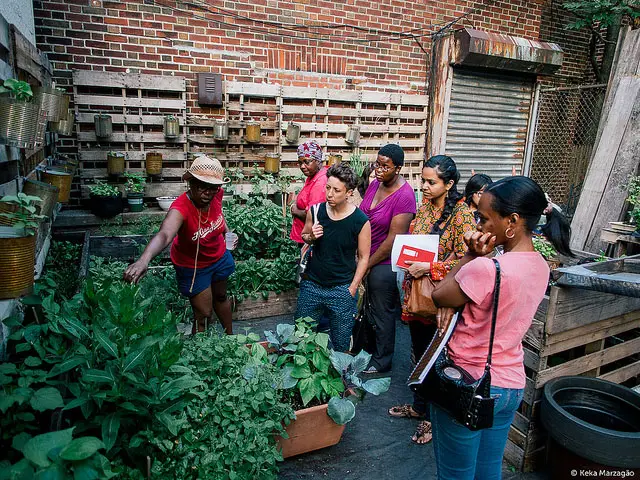
Community gardens are a great way to sustain health and inclusion in the city. By growing your own food, you can get fresh, healthy produce that is free of pesticides and other harmful chemicals. You can also grow herbs and spices to add flavor and nutrition to your meals.
Gardening is a great way to get exercise and enjoy the outdoors. It is also a great way to meet new people and build community.
Community gardens are a great way to promote sustainability, health, and inclusion in the city. They provide a space for people to grow their own food, connect with nature, and get to know their neighbors. Community gardens also offer opportunities for educational workshops and events that can help raise awareness about environmental issues and challenge assumptions about who can garden and where food comes from.

Credit: www.gensler.com
How Do Community Gardens Promote Sustainability?
Community gardens are a great way to promote sustainability. They provide a space for people to grow their own food, which can save money and reduce the amount of resources needed to produce food. Community gardens also provide a place for people to come together and share knowledge about gardening and sustainable living practices.
What are 5 Benefits of a Community Garden?
There are many benefits to starting a community garden. Here are 5 benefits that stand out the most:
1. Community gardens help to build strong and healthy communities by bringing people together.
Gardens provide a space for neighbors to gather, get to know one another, and work together towards a common goal.
2. Gardening is a great way to get exercise and fresh air. It’s also been shown to have positive effects on mental health, reducing stress and anxiety levels.
3. Community gardens can provide fresh, healthy food for those who may not have access to it otherwise. They can also help teach people about nutrition and where their food comes from.
4. Community gardens can be used as a tool for beautifying neighborhoods and increasing property values.
5 .Gardens can serve as an educational resource, teaching children about nature, science, and where food comes from.
What are 3 Kinds of Community Gardens?
There are three primary types of community gardens: production, demonstration, and ornamental. Production gardens are typically allotment-style gardens in which each plot is used to grow vegetables or fruits for the home gardener. Demonstration gardens are usually maintained by nonprofits or public agencies and used to educate the community about gardening and sustainable growing practices.
Ornamental community gardens are designed and managed primarily for their aesthetic value, though they may also serve as gathering spaces or provide opportunities for urban agriculture.
Can Community Gardens Promote More Sustainable Lifestyles?
Yes, community gardens can promote more sustainable lifestyles. They provide a space for people to grow their own food, which can reduce the need for transportation and packaging associated with store-bought produce. Community gardens also build social ties and a sense of community, which can encourage people to adopt more sustainable habits in other areas of their lives.
How do community gardens contribute to the SDGs?
What is Community Gardens
Community gardens are a great way to get fresh produce, meet new people, and beautify your neighborhood. They are usually managed by a group of volunteers who come together to plan and plant the garden, as well as care for it throughout the growing season. If you’re interested in starting or joining a community garden, check with your local parks department or community center to see if there are any in your area.
Importance of Community Gardens
Community gardens are a great way to get people involved in their local community. They provide a space for people to come together and grow fresh produce, flowers, and other plants. Gardens can also be used as a gathering place for events and workshops.
Conclusion
This blog post discusses the many benefits of community gardens, including sustainability, health, and inclusion. Community gardens provide a space for people to come together and connect with nature, while also promoting physical and mental well-being. They are an important part of creating a more sustainable and inclusive city.