TITLE: Globe Artichokes: A Delicious and
As an Amazon Associate I earn from qualifying purchases.
Recommended Plant Care Products
Helpful tools for indoor plants, herbs, and everyday garden care.
| Product | Best For | Price |
|---|---|---|
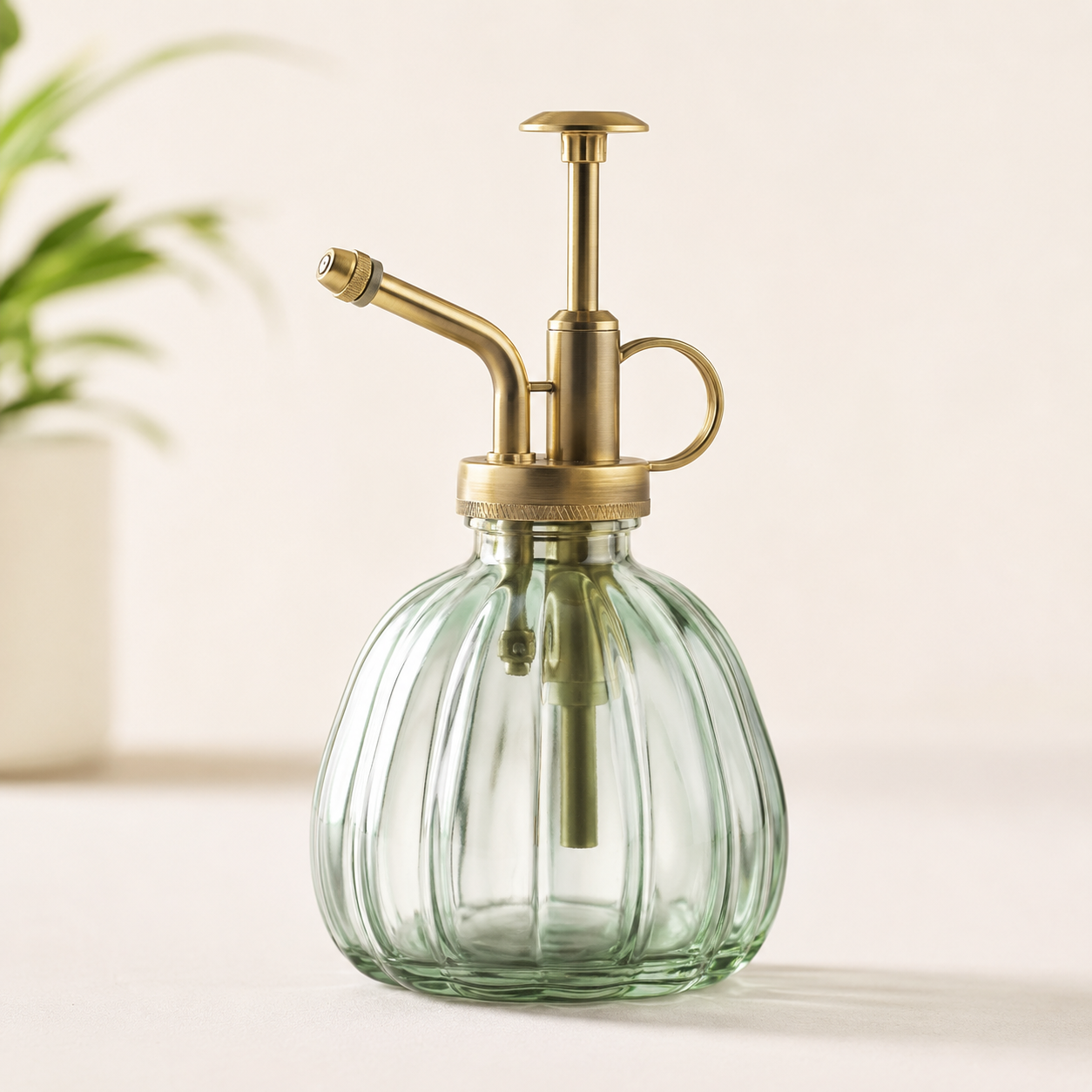 Plant Mister Spray Bottle
 | Indoor plants, foliar spray, humidity care | Check Price |
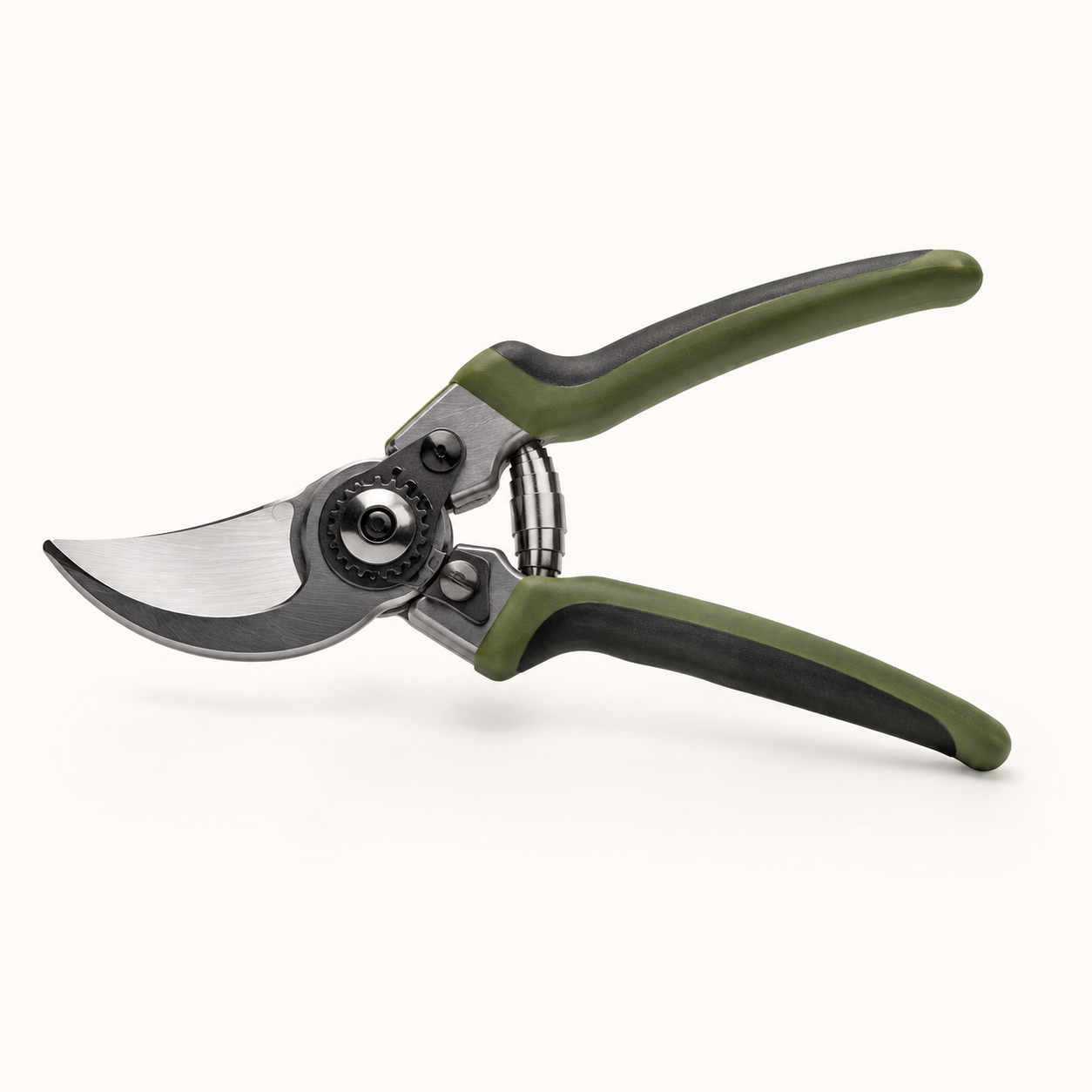 Garden Pruning Shears
 | Pruning, trimming, dead leaves, herbs | Check Price |
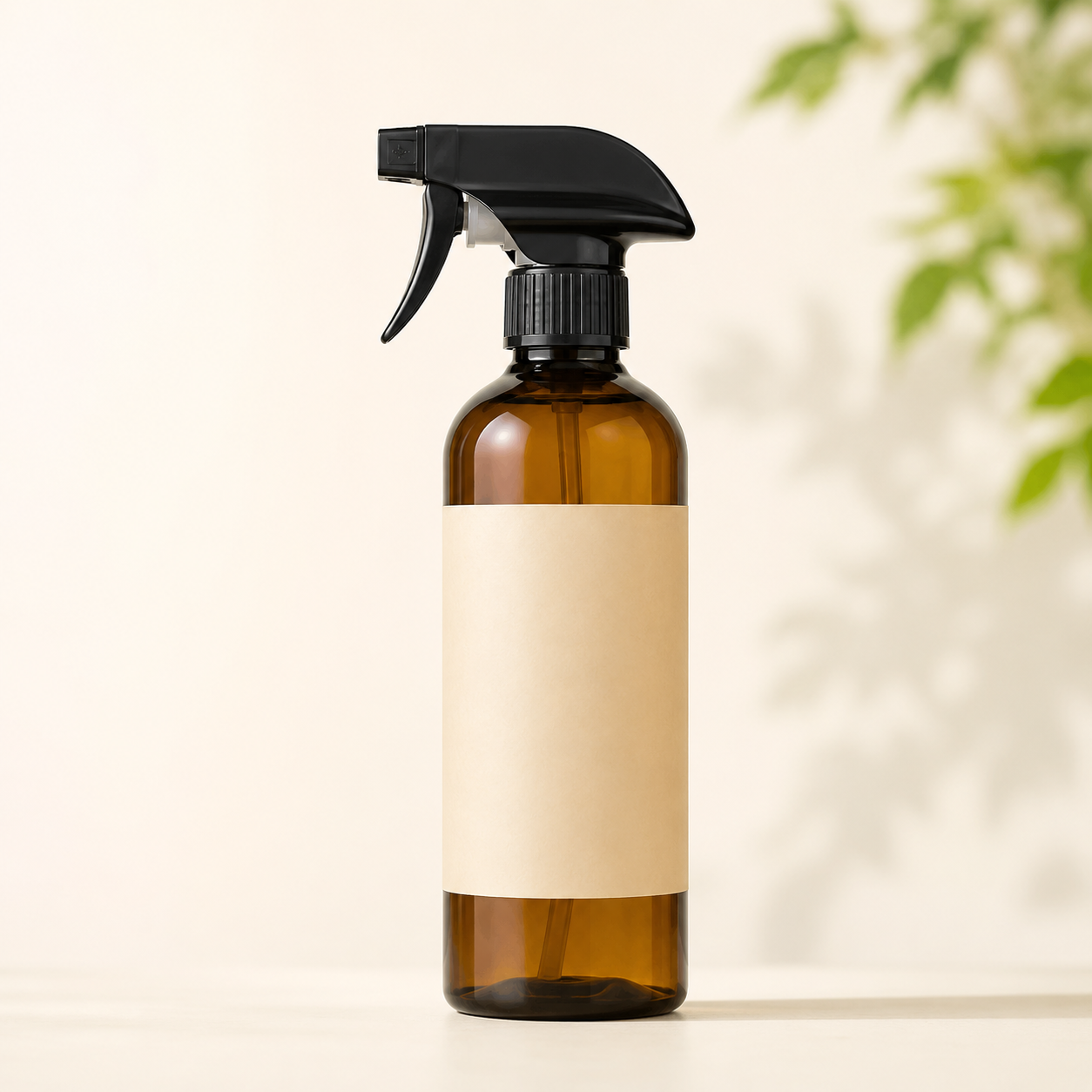 Neem Oil Spray
 | Plant pests, leaf care, organic pest control | Check Price |
 Indoor Plant Grow Light
 | Low-light rooms, seedlings, indoor plants | Check Price |
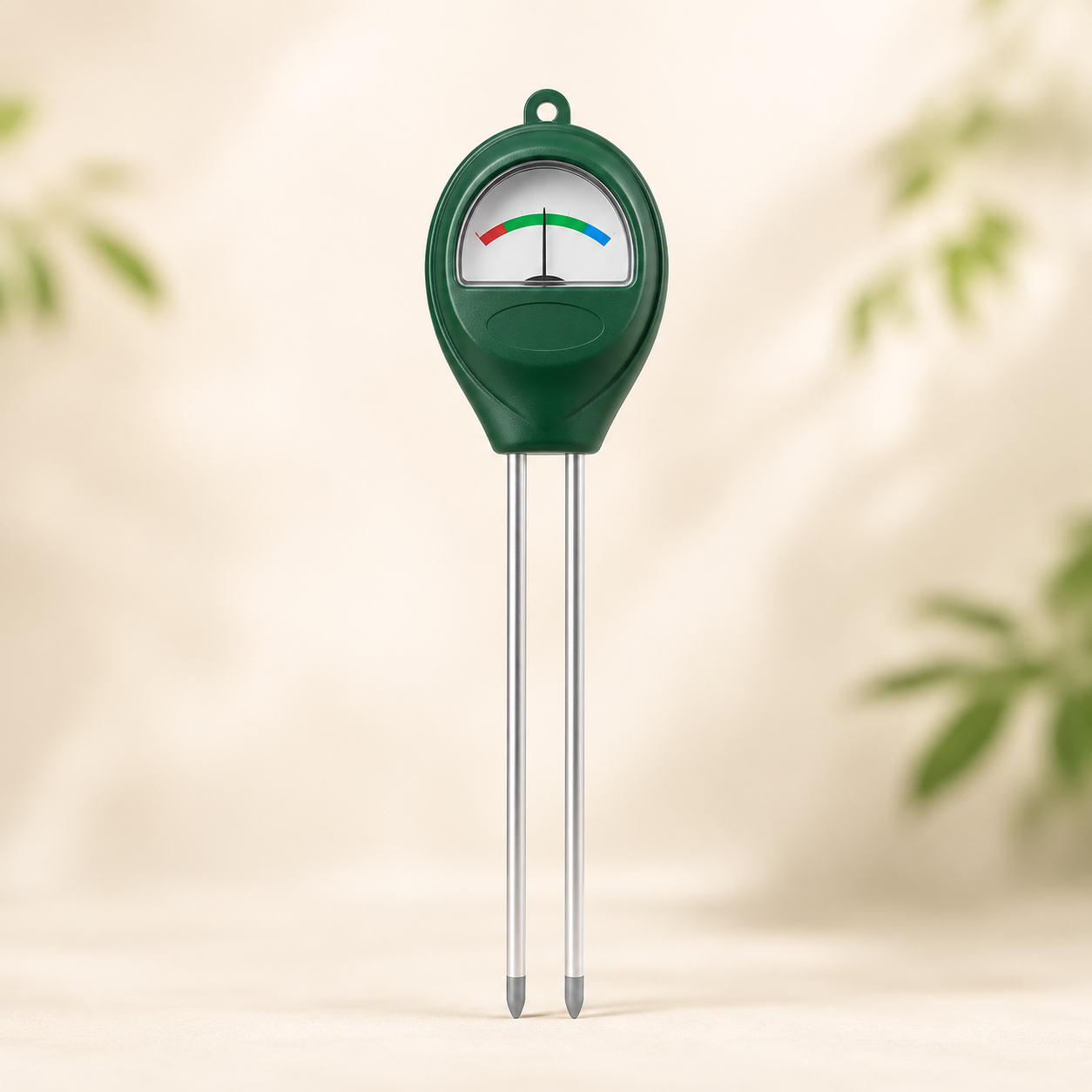 Soil Moisture Meter
 | Watering control, overwatering prevention | Check Price |
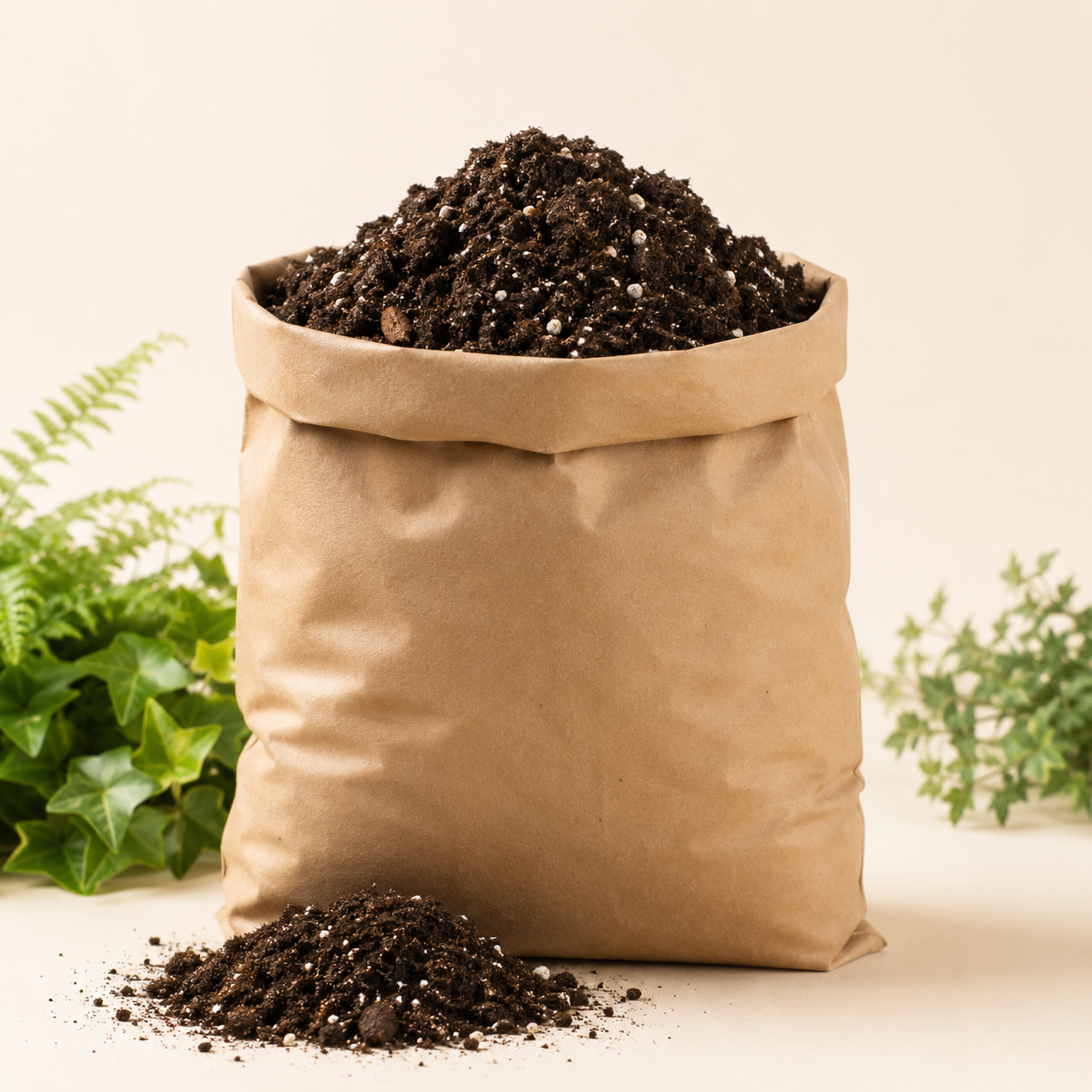 Organic Potting Mix
 | Repotting, seedlings, indoor plant soil | Check Price |
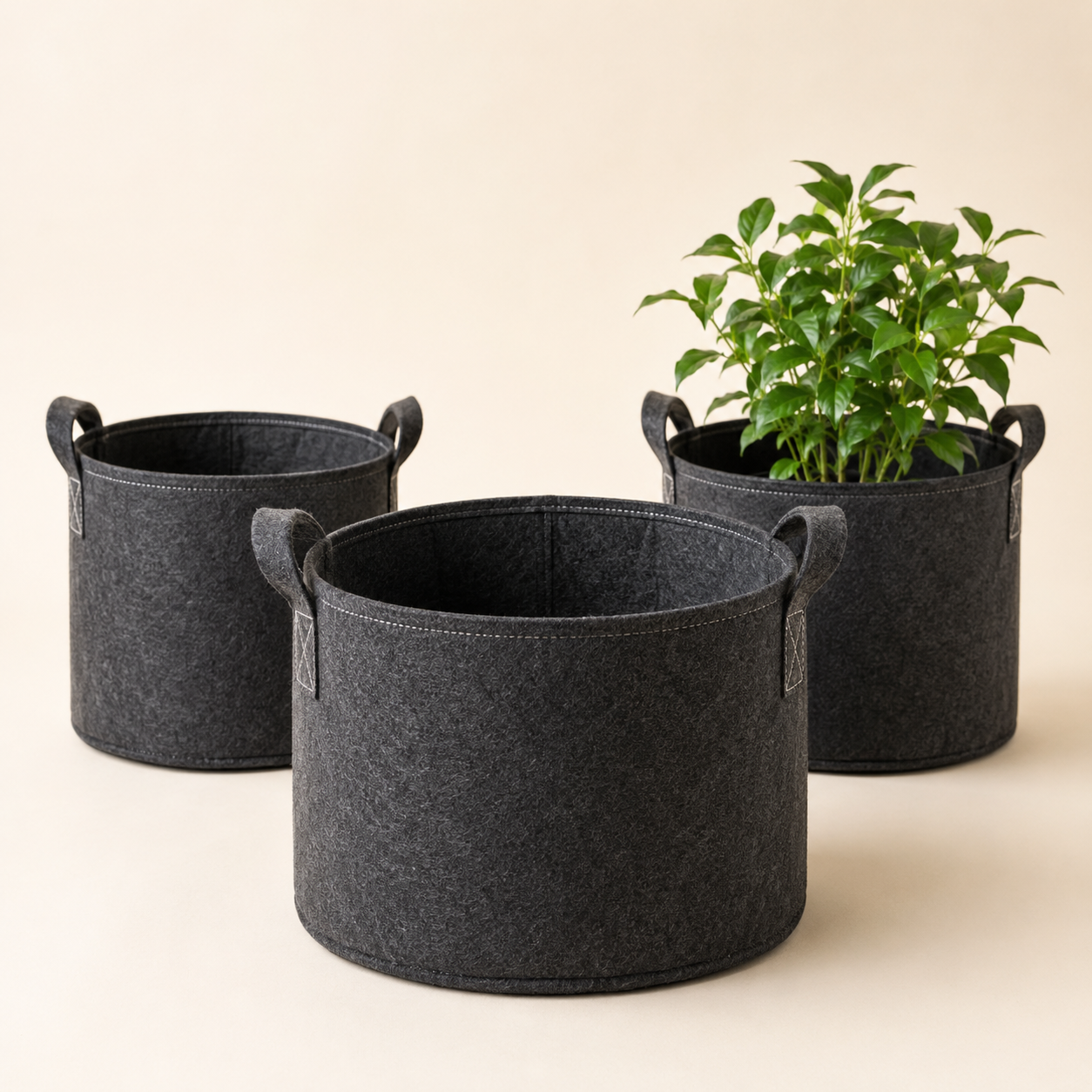 Fabric Grow Bags
 | Vegetables, herbs, balcony gardening | Check Price |
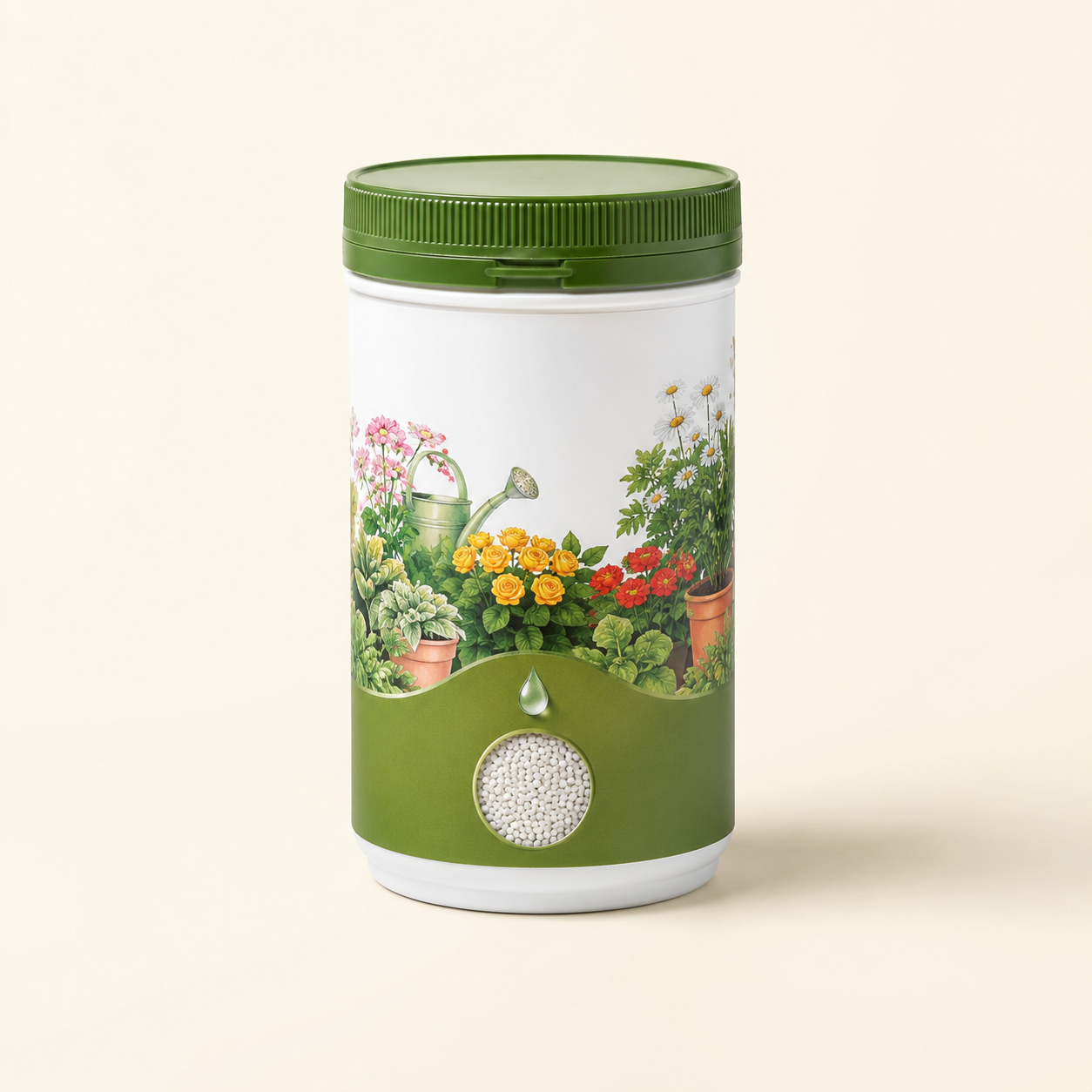 Water-Soluble Plant Food
 | Plant growth, feeding, foliar fertilizer routine | Check Price |
html
<h2>Globe Artichokes and Sustainable Landscaping Practices: Key Facts/Comparison</h2>
<table>
  <thead>
    <tr>
      <th>Feature</th>
      <th>Globe Artichoke (Cynara cardunculus var. scolymus)</th>
      <th>Sustainable Landscaping Practices</th>
    </tr>
  </thead>
  <tbody>
    <tr>
      <td><strong>Water Needs</strong></td>
      <td>Moderate; requires consistent moisture, especially during flowering, but generally drought-tolerant once established. Prefers well-drained soil.</td>
      <td>Varies by plant selection and climate. Focuses on reducing overall water consumption through native plants, xeriscaping, and efficient irrigation.</td>
    </tr>
    <tr>
      <td><strong>Sunlight Requirements</strong></td>
      <td>Full sun (at least 6-8 hours per day)</td>
      <td>Typically prefers full sun to partial shade, depending on the specific plants chosen.</td>
    </tr>
    <tr>
      <td><strong>Soil Preferences</strong></td>
      <td>Rich, well-drained soil with good organic matter. Can tolerate a range of soil types if drainage is adequate.</td>
      <td>Prioritizes healthy, living soil through composting, mulching, and minimal soil disturbance. Aims for improved soil structure and water retention.</td>
    </tr>
    <tr>
      <td><strong>Pest & Disease Management</strong></td>
      <td>Generally hardy but can be susceptible to aphids, slugs, and leaf spot. Organic pest control methods are often preferred.</td>
      <td>Emphasizes biodiversity, beneficial insects, native plants resistant to local pests/diseases, and integrated pest management (IPM) strategies.</td>
    </tr>
    <tr>
      <td><strong>Environmental Impact</strong></td>
      <td>Provides food source, can attract pollinators, contributes to biodiversity. Can be grown organically with minimal inputs.</td>
      <td>Reduces water usage, conserves energy, improves air and water quality, supports local ecosystems and wildlife, minimizes chemical use, and sequesters carbon.</td>
    </tr>
    <tr>
      <td><strong>Maintenance Level</strong></td>
      <td>Moderate: requires watering, occasional feeding, removal of spent flower stalks, and frost protection in colder climates.</td>
      <td>Can vary. Initial setup might require more effort, but well-designed sustainable landscapes often require less ongoing maintenance than conventional ones.</td>
    </tr>
  </tbody>
</table>

<h2>Globe Artichokes in Sustainable Landscaping: Steps/Pros-Cons</h2>
<h3>Integrating Globe Artichokes into Your Sustainable Landscape</h3>
<table>
  <thead>
    <tr>
      <th>Aspect</th>
      <th>Steps for Integration</th>
      <th>Pros</th>
      <th>Cons</th>
    </tr>
  </thead>
  <tbody>
    <tr>
      <td><strong>Site Selection & Preparation</strong></td>
      <td>Choose a sunny location with well-drained soil. Amend soil with compost to improve fertility and structure. Ensure adequate space for mature plants (3-4 feet in diameter).</td>
      <td>Enhances soil health through organic matter addition. Provides a productive edible and ornamental plant.</td>
      <td>Requires adequate sunlight which might limit placement in shadier garden areas. Can require significant space once mature.</td>
    </tr>
    <tr>
      <td><strong>Planting & Establishment</strong></td>
      <td>Plant divisions or young plants in spring after the last frost. Water consistently to establish. Mulch around the base to retain moisture and suppress weeds.</td>
      <td>Lowers water needs once established, reducing overall irrigation. Mulching improves water retention and reduces weed pressure.</td>
      <td>Initial watering is crucial for establishment. Frost protection may be needed in colder climates.</td>
    </tr>
    <tr>
      <td><strong>Watering & Fertilizing</strong></td>
      <td>Water deeply during dry periods, especially when flowering. Fertilize with compost or a balanced organic fertilizer in spring.</td>
      <td>Drought-tolerant once established, reducing supplemental watering needs compared to many ornamentals. Organic fertilization improves soil life.</td>
      <td>Consistent moisture is needed for optimal bud development. Over-fertilizing can lead to weak growth.</td>
    </tr>
    <tr>
      <td><strong>Pest & Disease Management</strong></td>
      <td>Monitor for aphids and slugs; use organic methods like insecticidal soap or hand-picking. Ensure good air circulation to prevent fungal issues.</td>
      <td>Attracts beneficial insects. Organic pest control aligns with sustainable principles.</td>
      <td>Can be a target for certain pests which require active management.</td>
    </tr>
    <tr>
      <td><strong>Harvesting & Pruning</strong></td>
      <td>Harvest buds when they are tight and plump. Cut flower stalks after harvest or once they begin to fade. Remove dead foliage in late fall/early spring.</td>
      <td>Provides a delicious, edible harvest. Deadheading encourages further bud production. Pruning improves plant health and aesthetics.</td>
      <td>Harvesting requires specific timing. Pruning is necessary for plant vigor and appearance.</td>
    </tr>
    <tr>
      <td><strong>Companion Planting & Biodiversity</strong></td>
      <td>Plant near herbs like rosemary, basil, or mint, which can deter pests. Incorporate other native or beneficial plants nearby to support pollinators.</td>
      <td>Increases biodiversity by providing habitat and food sources for pollinators and beneficial insects. Companion planting can reduce pest issues naturally.</td>
      <td>Requires thoughtful planning to ensure compatible plant needs and avoid overcrowding.</td>
    </tr>
  </tbody>
</table>